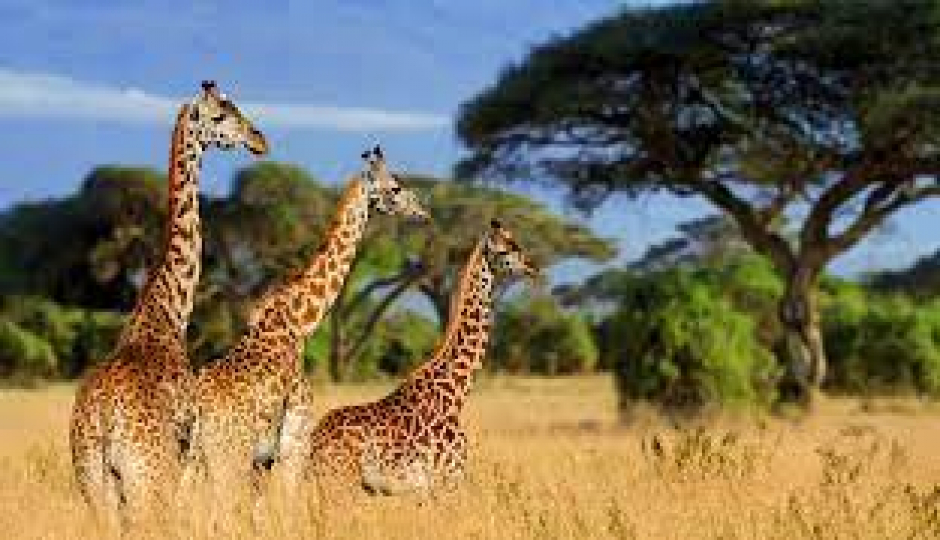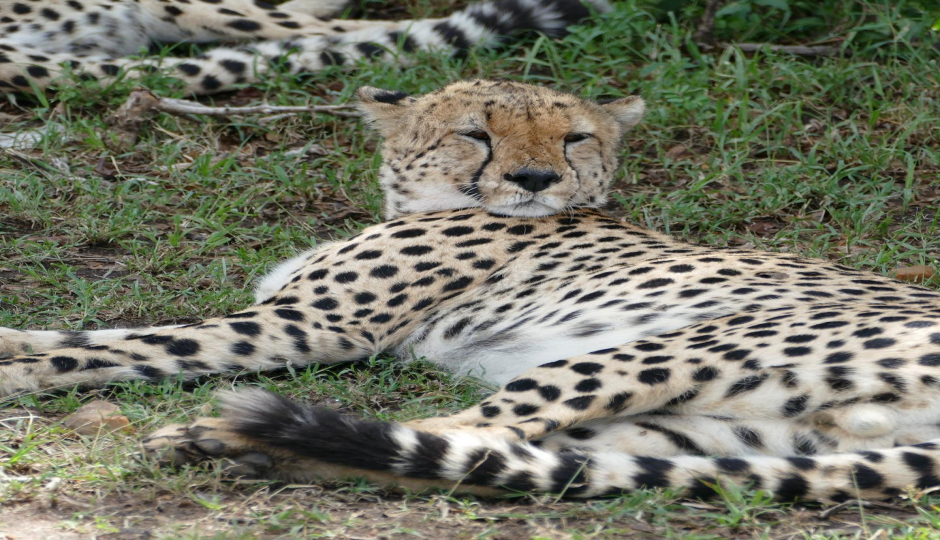
Safari in Tanzania
Tanzania Safari Types
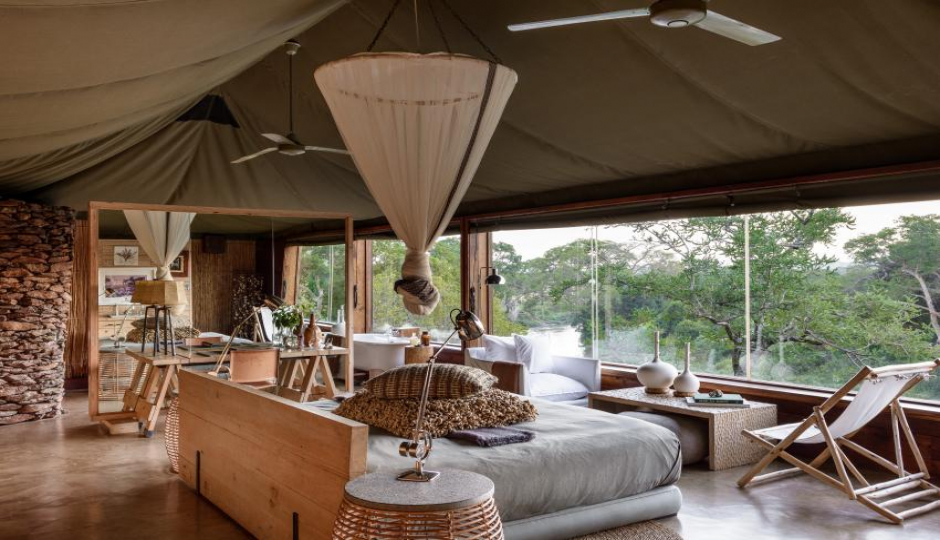
Explore the different types of Tanzania safaris to find the perfect adventure for your travel style. Learn about luxury safaris, budget camping safaris, family holidays, honeymoon escapes, photographic safaris, walking safaris, fly-in safaris, and private tailor-made experiences across Tanzania's breathtaking wilderness.
Tanzania Safari Planning Guide
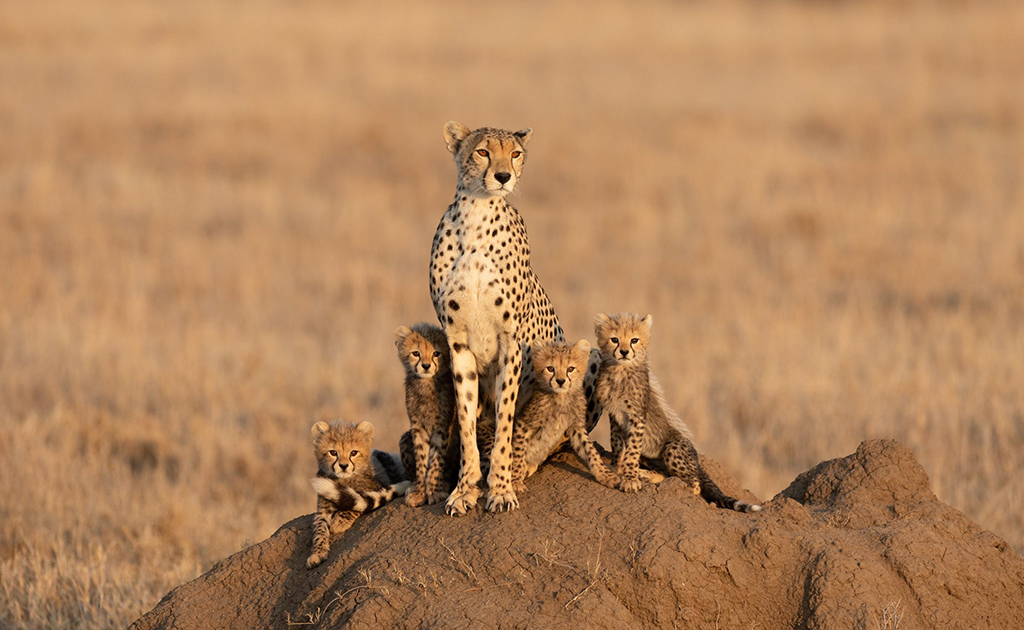
Plan your perfect Tanzania safari with expert travel advice and practical planning guides. Learn about the best time to visit, choosing the right itinerary, budgeting, accommodation options, park fees, transportation, visas, health tips, and everything you need for a smooth and unforgettable safari experience.
Tanzania Safari Packages
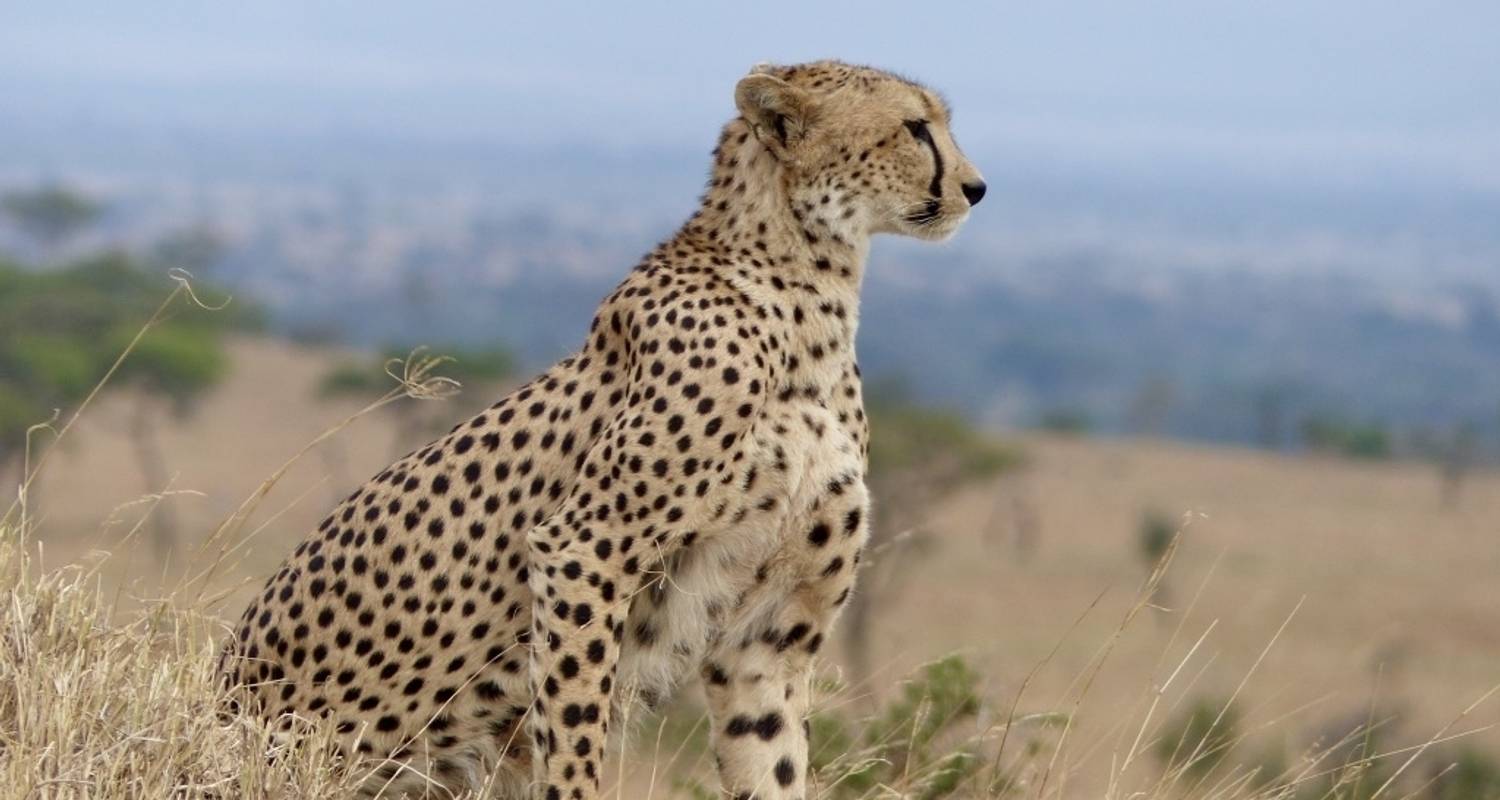
Explore our Tanzania safari packages designed to showcase the best of Africa's wildlife, landscapes, and cultures. Discover carefully planned safari itineraries, from classic Northern Circuit adventures to private, luxury, family, and budget-friendly experiences covering Serengeti, Ngorongoro Crater, Tarangire, and other iconic destinations.
Tanzania Safari Top Destinations
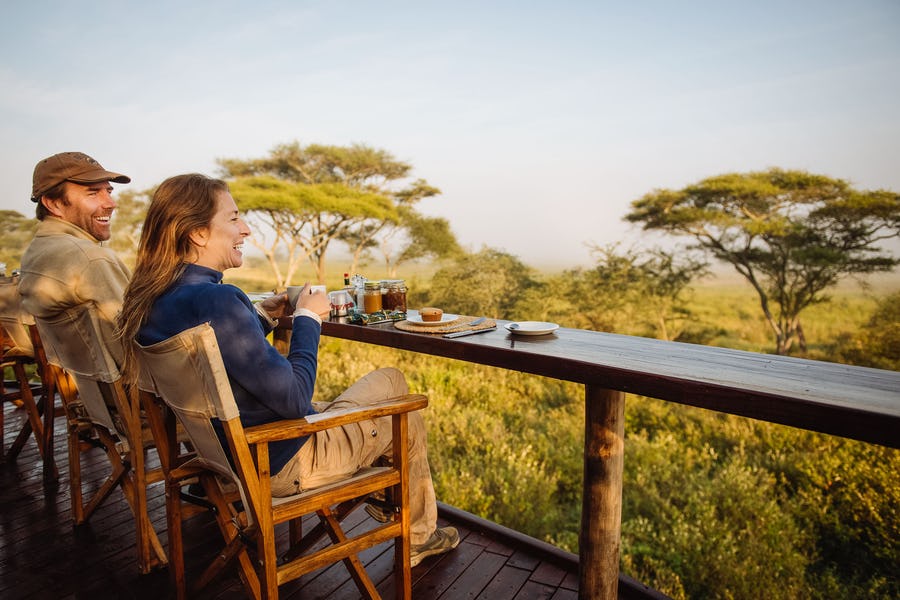
Explore Tanzania's top safari destinations, from the endless plains of the Serengeti and the wildlife-rich Ngorongoro Crater to Tarangire, Lake Manyara, Ruaha, Nyerere National Park, and beyond. Discover what makes each destination unique, the best time to visit, and the unforgettable experiences waiting in every corner of Tanzania.
Tanzania Safari Experiences
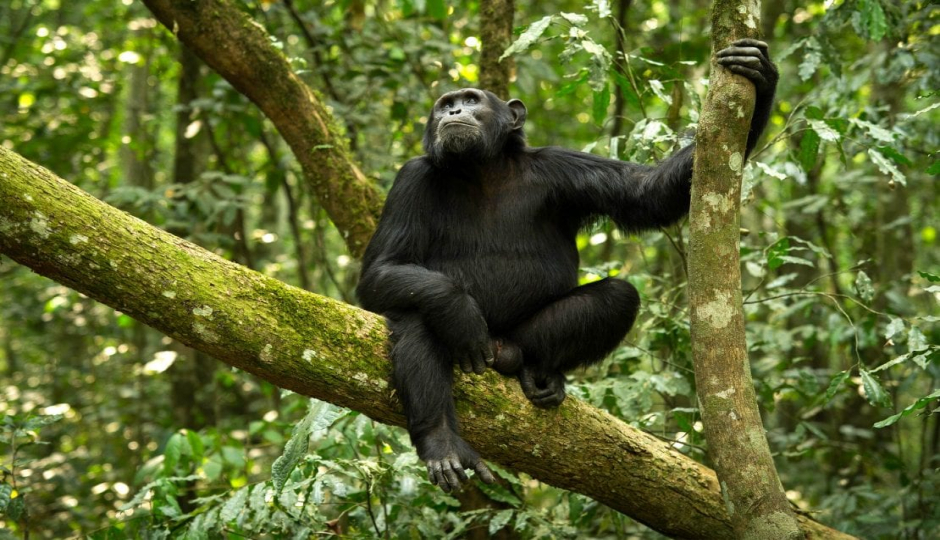
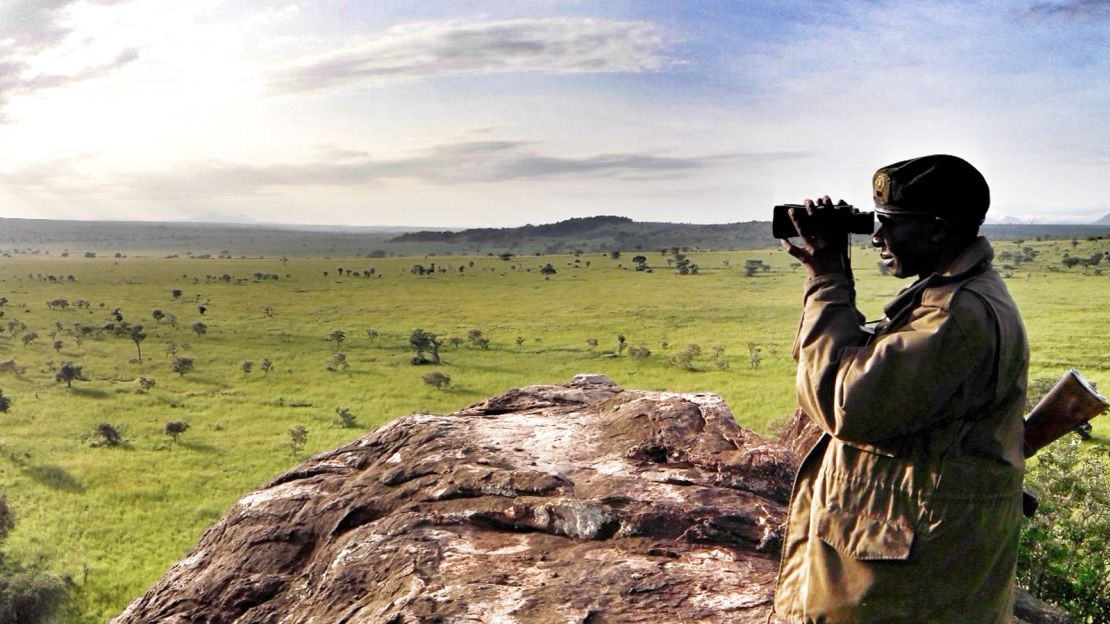
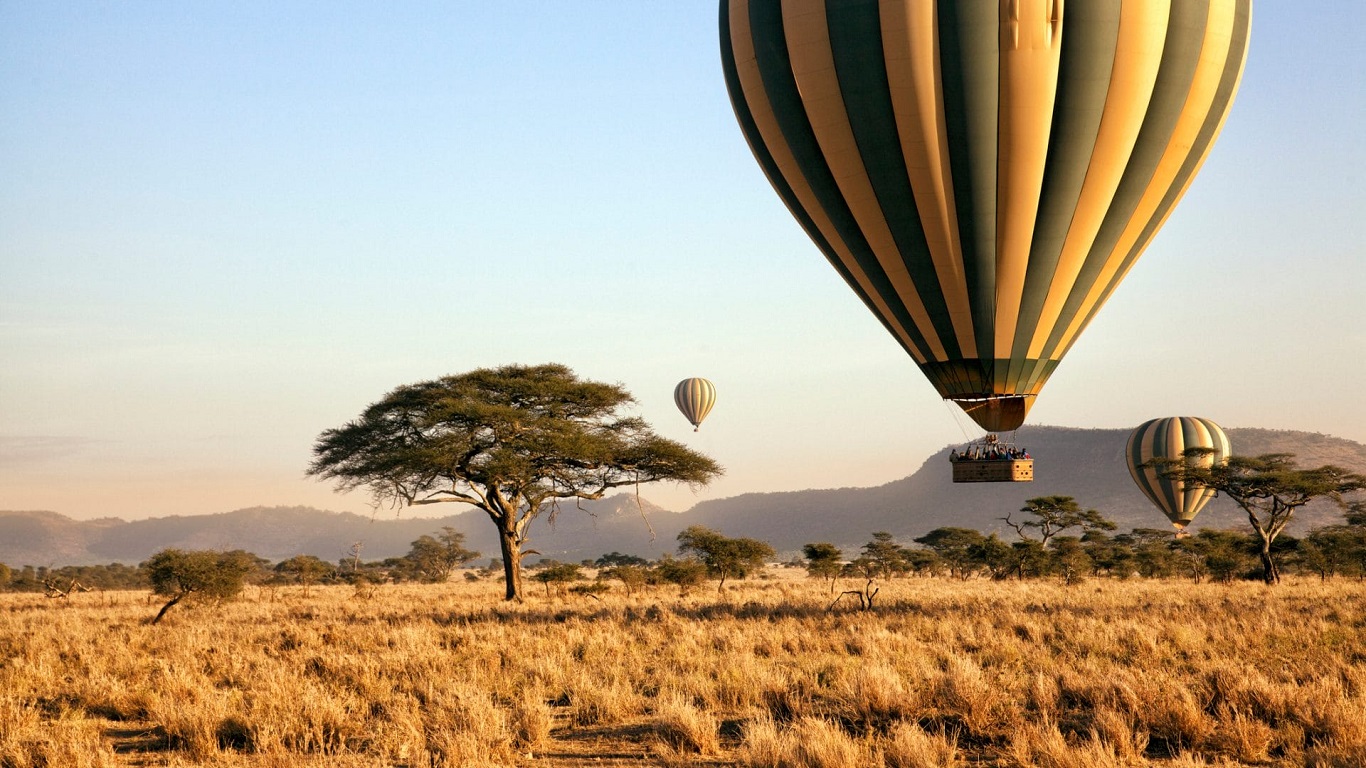
Discover the unforgettable Tanzania safari experiences that bring Africa's wilderness to life. Learn about game drives, the Great Migration, hot air balloon safaris, walking safaris, cultural visits, birdwatching, chimpanzee trekking, night game drives, and other unique adventures that make every safari truly memorable.
Tanzania National Parks
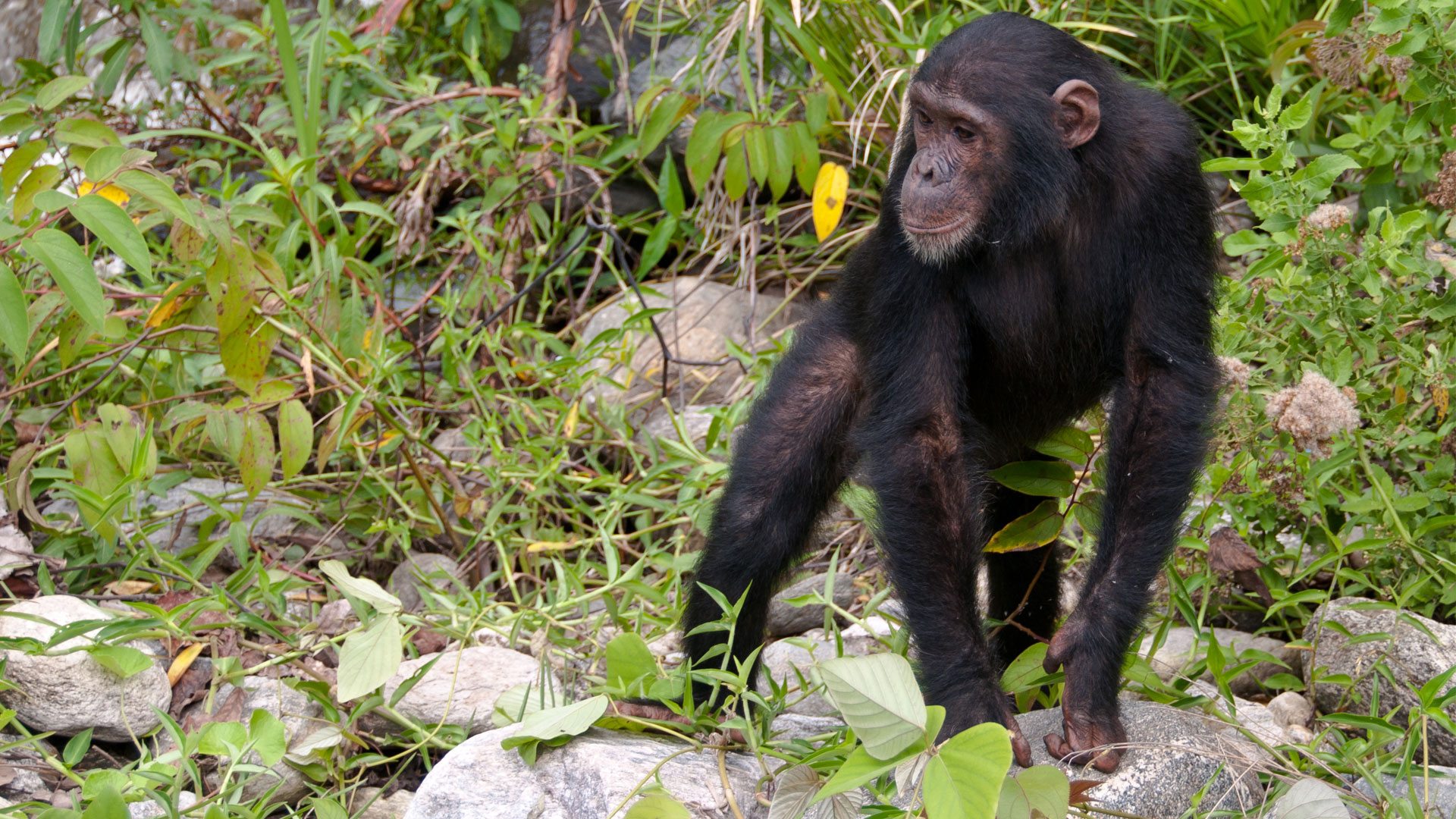
Discover Tanzania's national parks, home to some of Africa's most spectacular wildlife and landscapes. Learn about iconic parks such as Serengeti, Ngorongoro, Tarangire, Lake Manyara, Arusha, Ruaha, Nyerere, Katavi, and more, including their unique attractions, wildlife, and the best times to visit.
Tanzania Safari Packing List
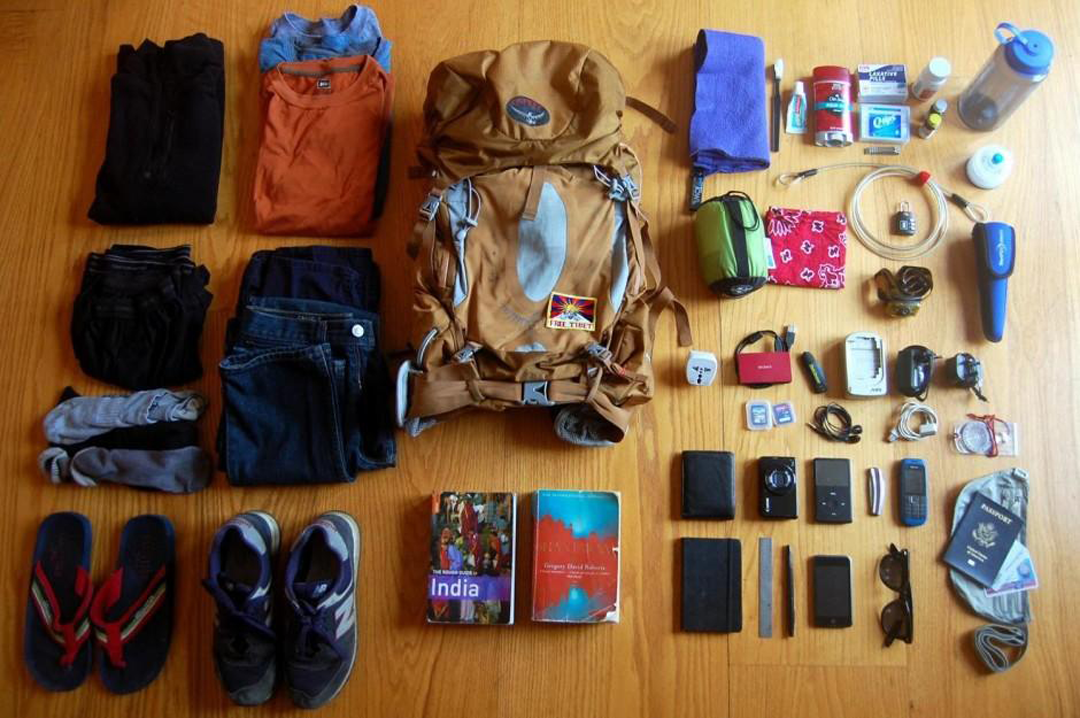
Prepare for your adventure with our Tanzania Safari Packing List, featuring essential clothing, travel gear, health items, photography equipment, and practical packing tips. Learn what to bring for every season to stay comfortable, safe, and ready for an unforgettable wildlife safari.
Mountain Climbing
Kilimanjaro Climbing
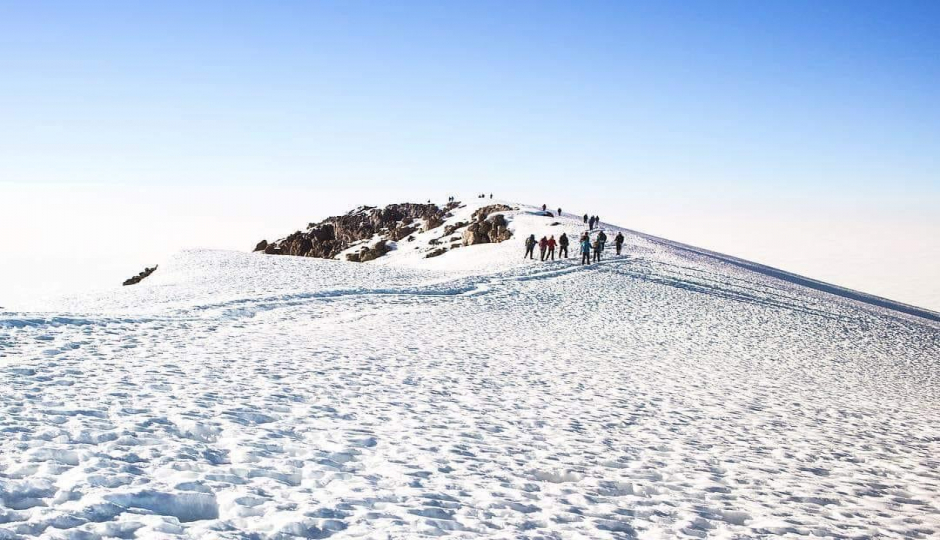
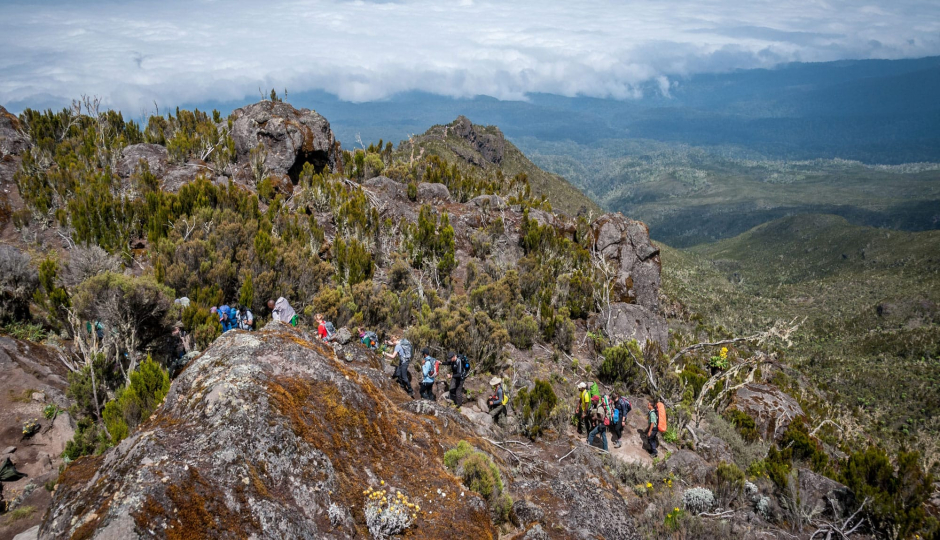
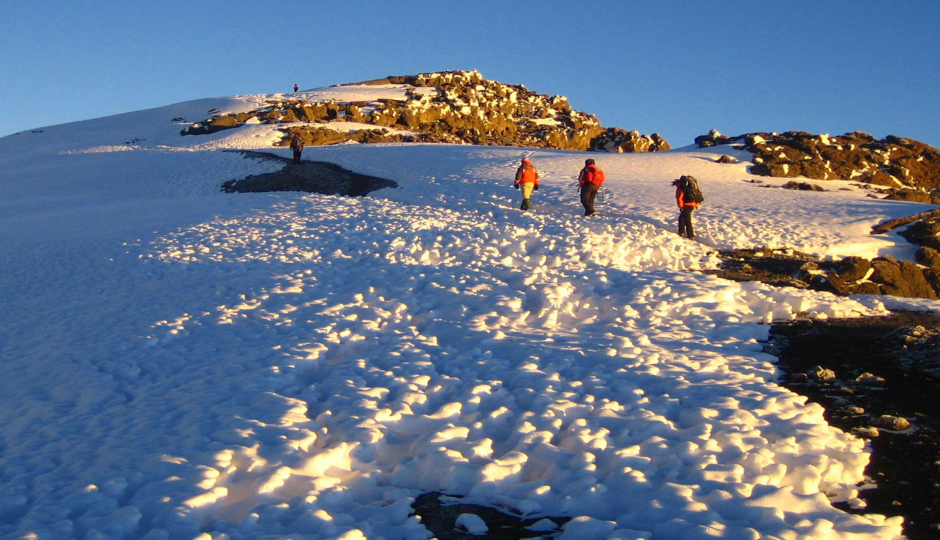
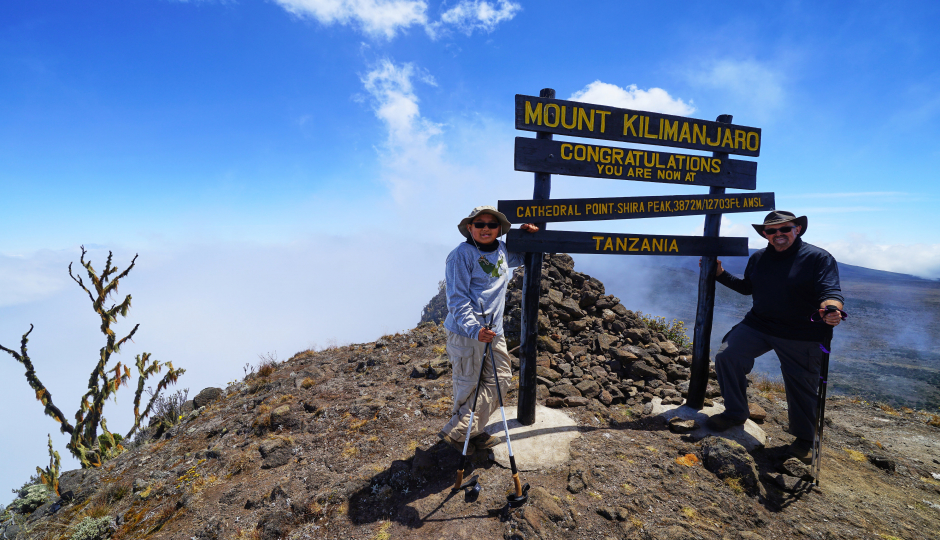
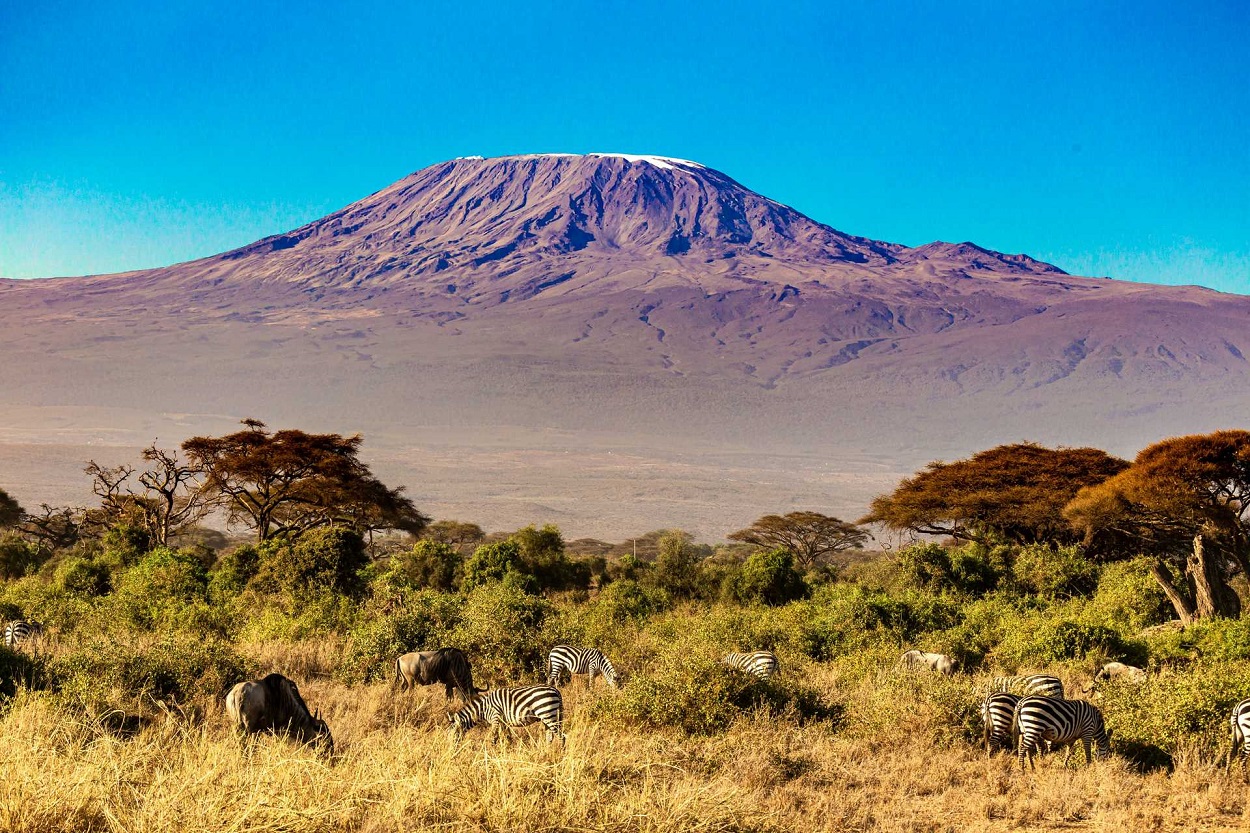
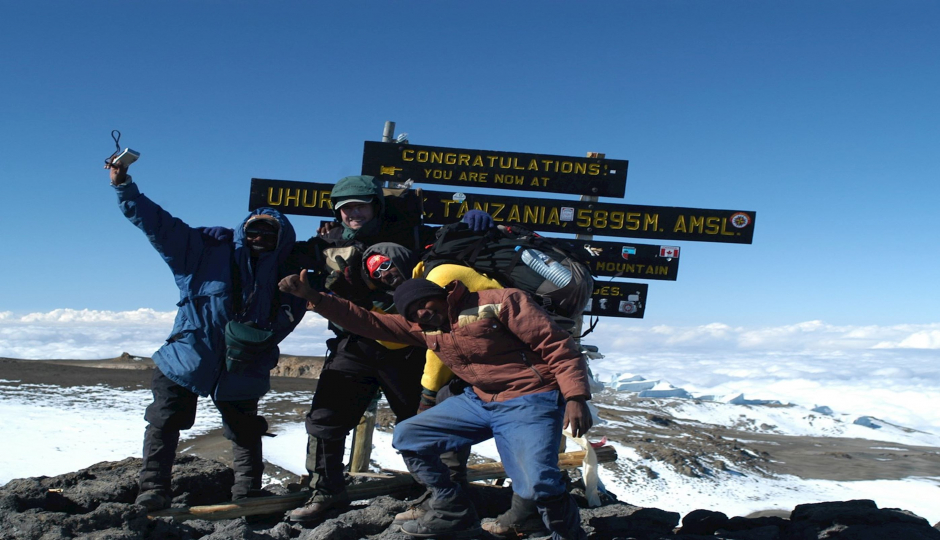
Discover everything you need to know about Mount Kilimanjaro, Africa's highest peak and one of the world's most iconic trekking destinations. Explore climbing routes, success tips, altitude information, best times to climb, packing advice, and expert insights to help you prepare for an unforgettable summit adventure.
Mount Oldonyo Lengai
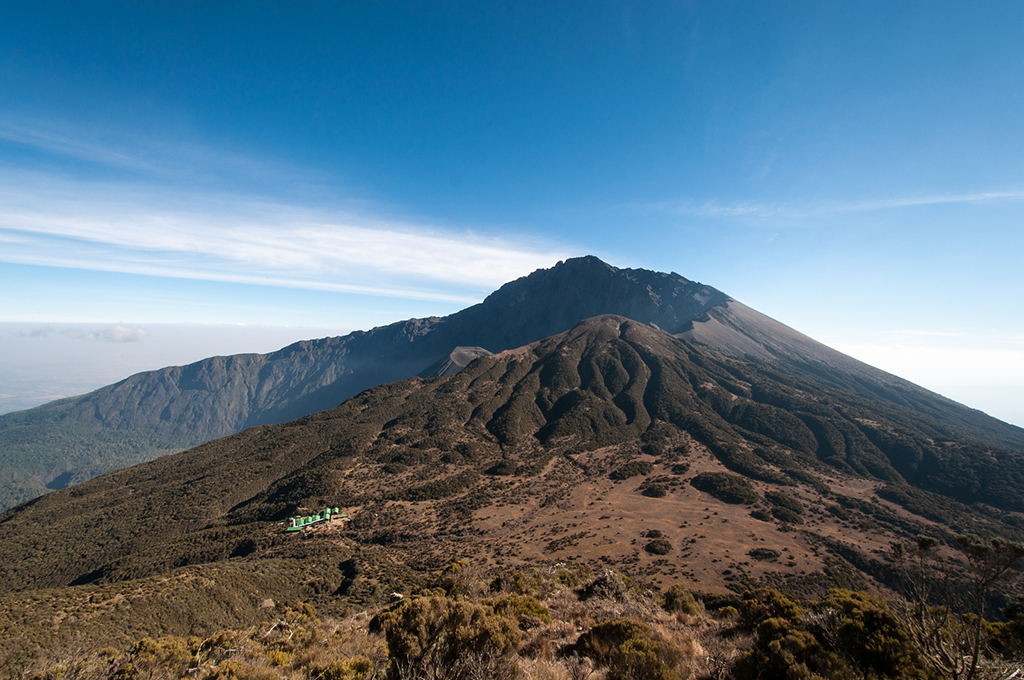
Discover Ol Doinyo Lengai, the legendary "Mountain of God" and the world's only active volcano that erupts carbonatite lava. Learn about the challenging climb, volcanic landscape, Maasai cultural significance, the best time to visit, and what to expect on this extraordinary adventure in northern Tanzania.
Mount Hanang
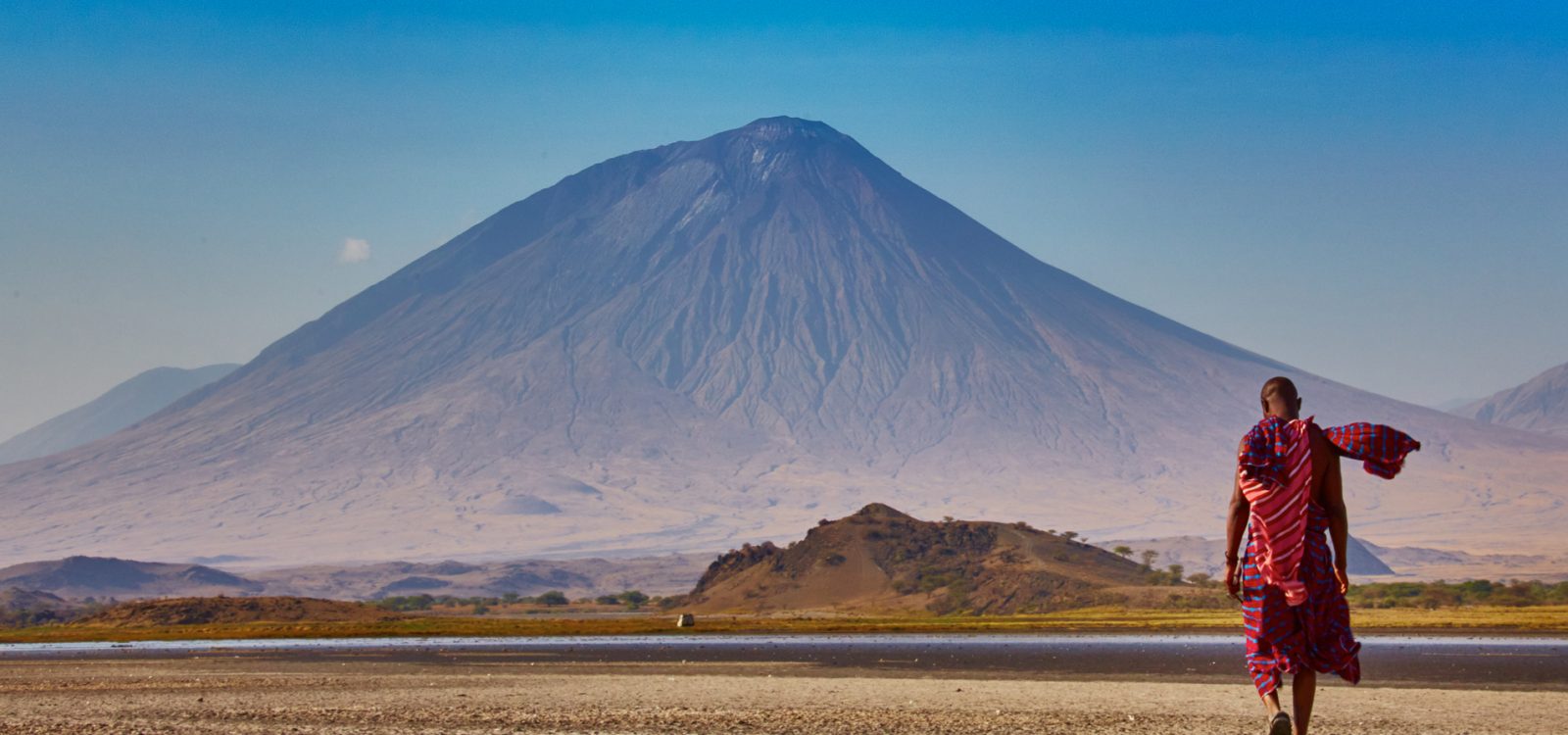
Explore Mount Hanang, Tanzania's fourth-highest mountain and a spectacular off-the-beaten-path trekking destination. Learn about the hiking routes, breathtaking summit views, unique landscapes, local Barabaig culture, wildlife, best time to climb, and everything you need to know for an unforgettable mountain adventure in northern Tanzania.
Mount Longido
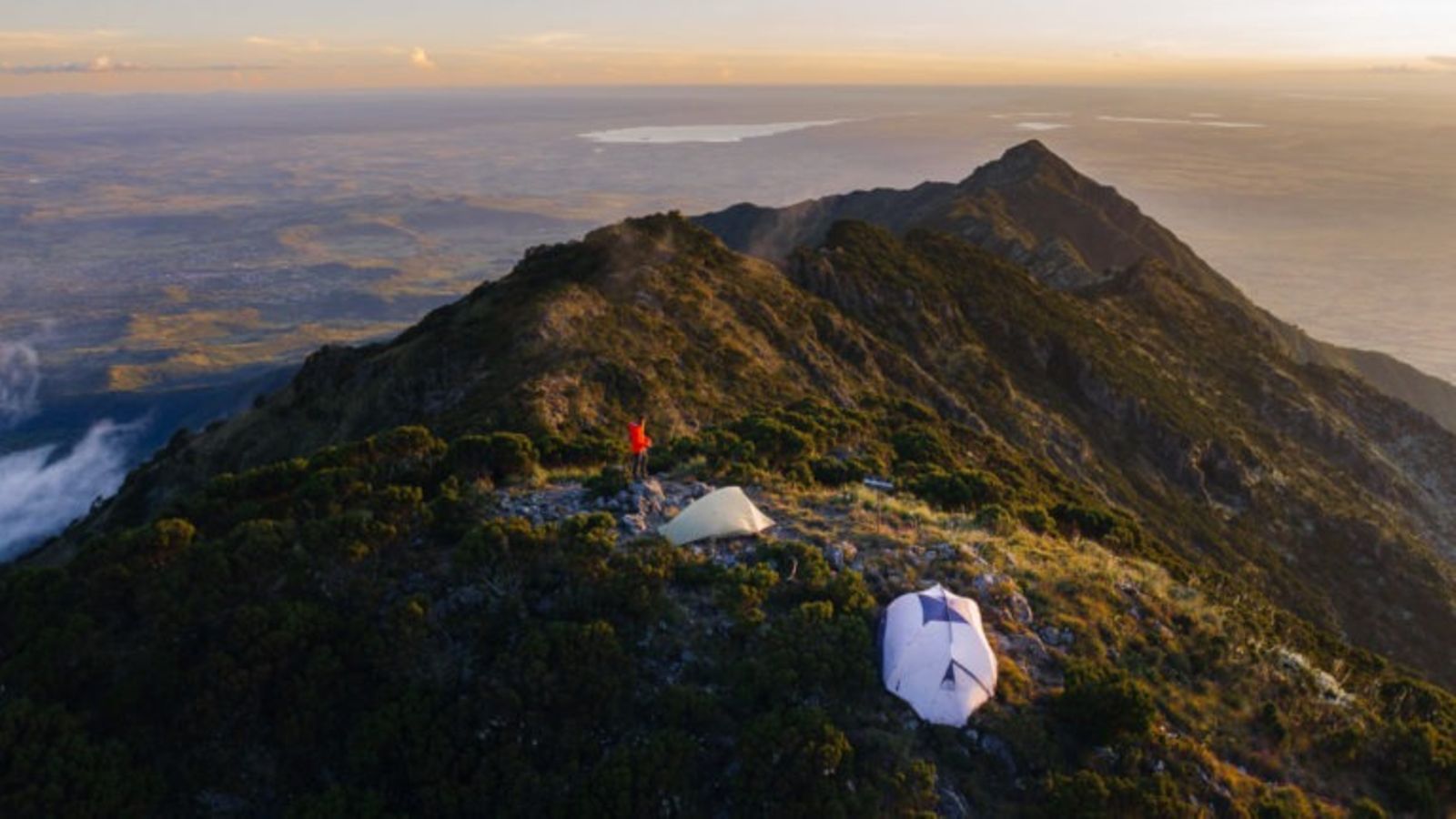
Discover Mount Longido, a hidden trekking gem in northern Tanzania offering scenic forest trails, panoramic views of Mount Kilimanjaro and the surrounding plains, abundant birdlife, and authentic Maasai cultural experiences. Learn about the hiking route, best time to visit, and what to expect on this rewarding off-the-beaten-path adventure.
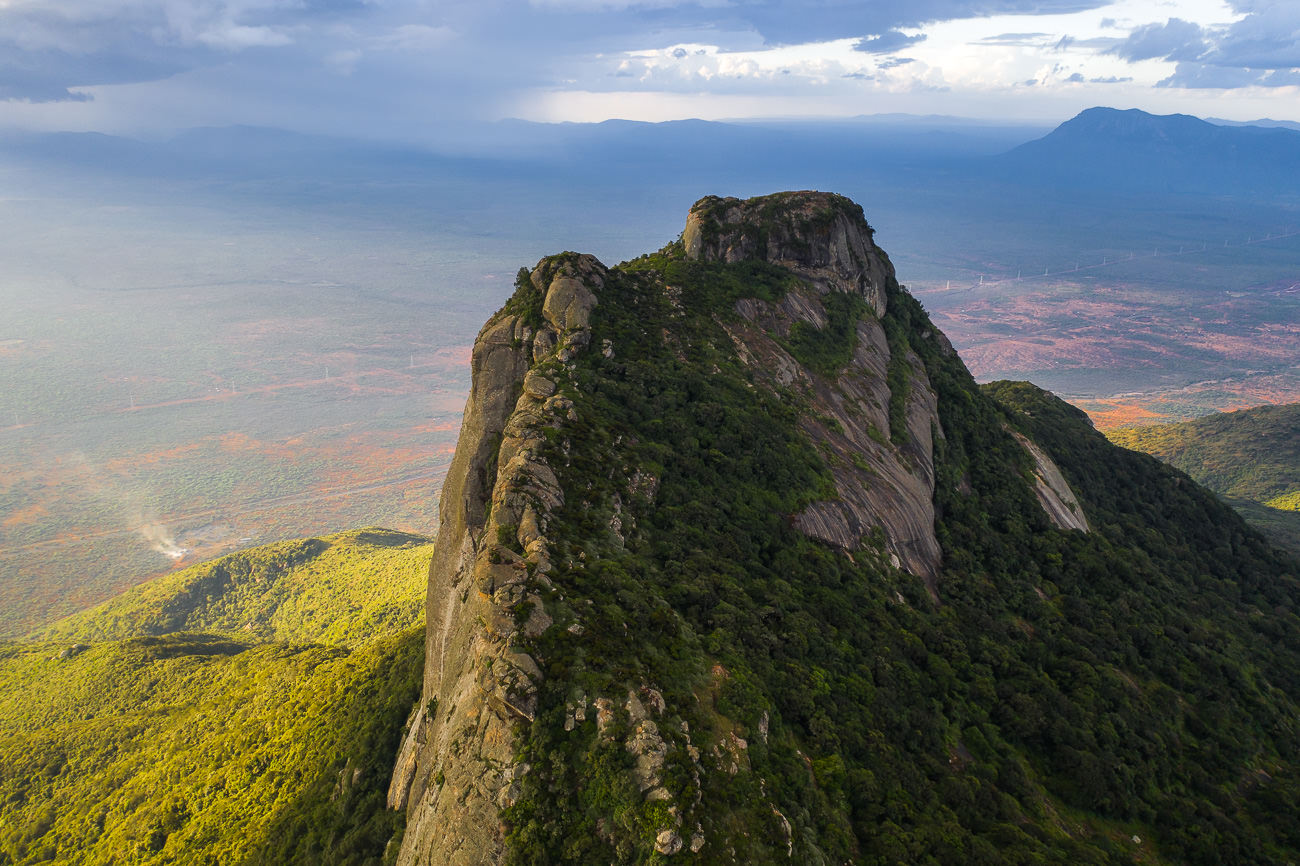
Usambara Mountains
Discover the Usambara Mountains, one of Tanzania's most beautiful highland regions known for lush forests, scenic hiking trails, charming villages, rich biodiversity, and breathtaking viewpoints. Learn about trekking routes, cultural experiences, birdwatching, historical sites, the best time to visit, and how to explore this peaceful mountain paradise in northern Tanzania.
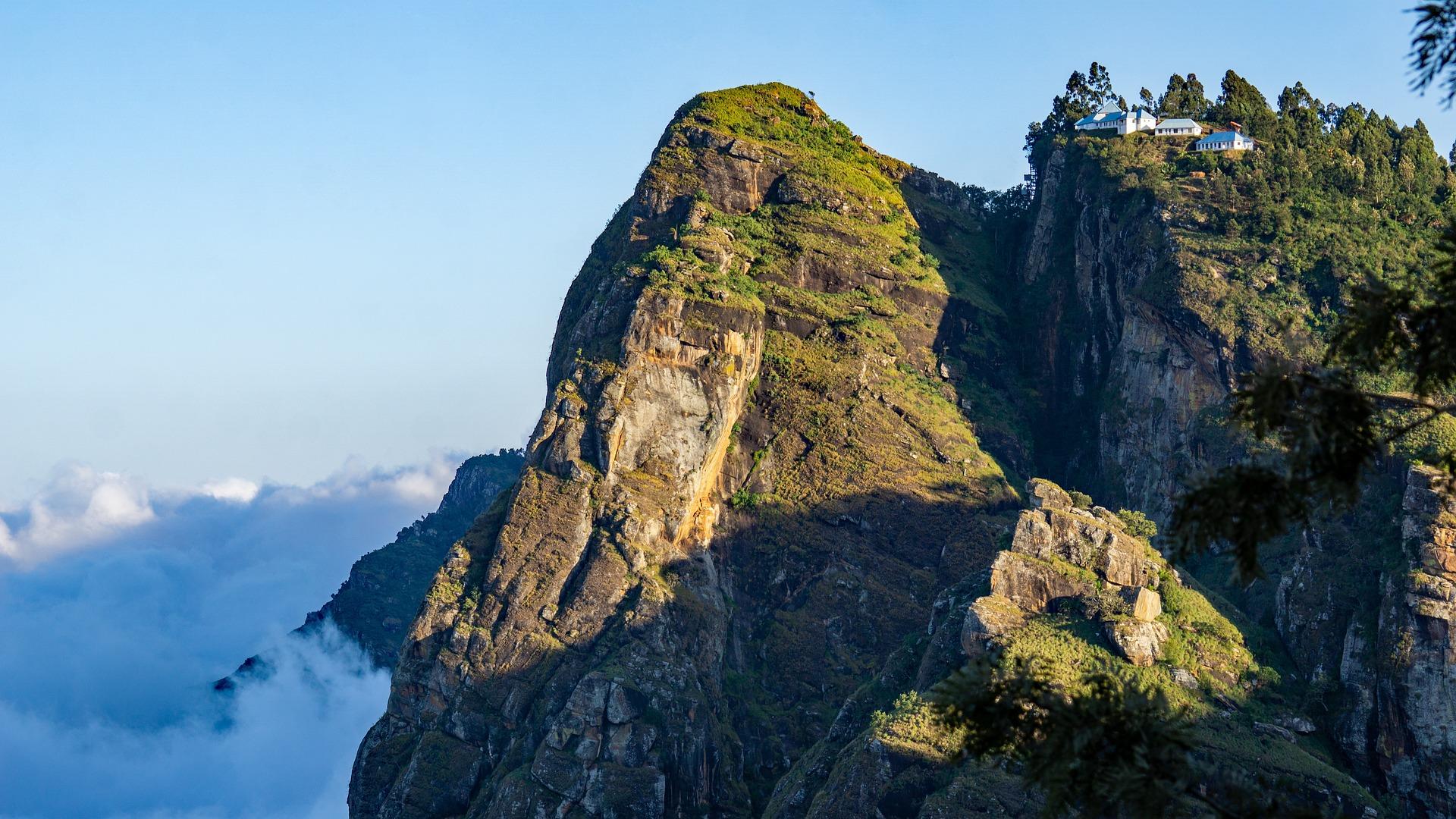
Kilimanjaro Climbing Packages
Challenge yourself to reach the Roof of Africa with our expertly guided Mount Kilimanjaro climbing adventures. Explore the best routes, flexible itineraries, and carefully planned expeditions designed to maximize your summit success while ensuring your safety and comfort every step of the way.
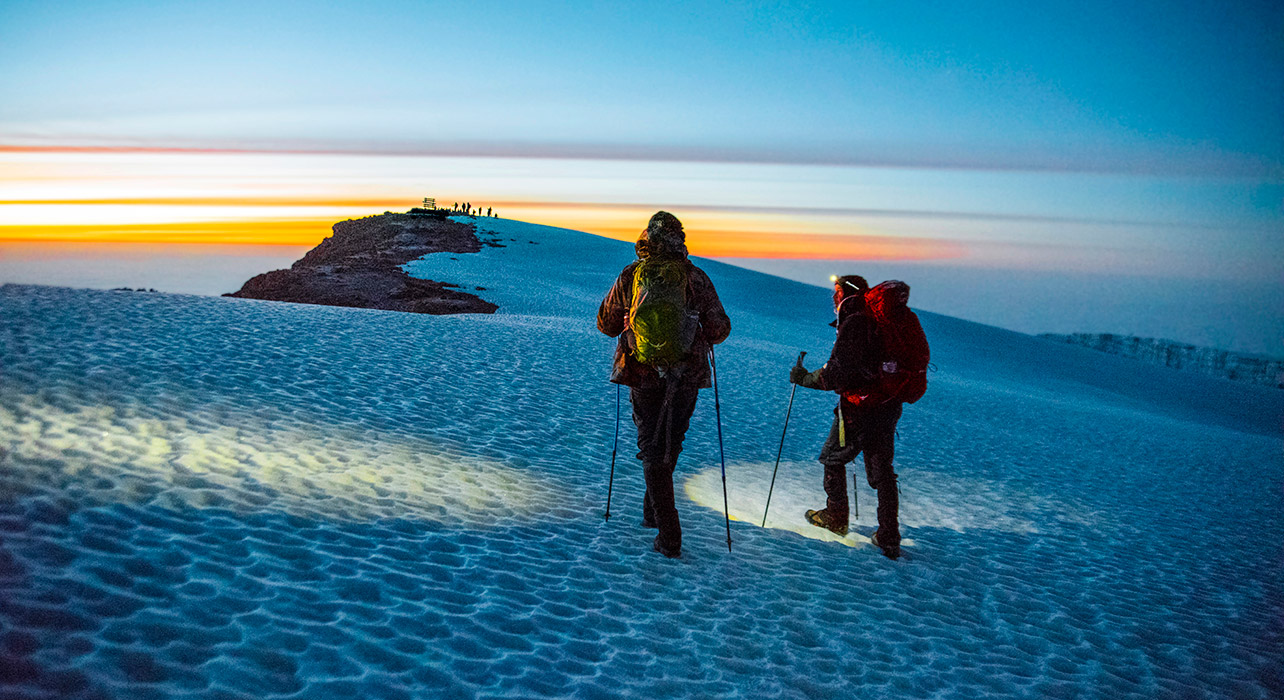
Kilimanjaro Group Join Climbing
Join a small group of fellow adventurers and climb Mount Kilimanjaro together. Our group join climbs offer an affordable and social way to experience Africa’s highest mountain, with experienced guides, carefully planned routes, and a strong focus on safety and success.
Day Tours
Tanzania Day Tours
Discover the best of Tanzania with our day tours, designed for travelers who want to experience wildlife, culture, nature, and local attractions in a limited time. From Arusha day trips and wildlife safaris to cultural experiences and scenic excursions, our carefully planned Tanzania day tours offer memorable adventures with professional local guides and reliable transport.
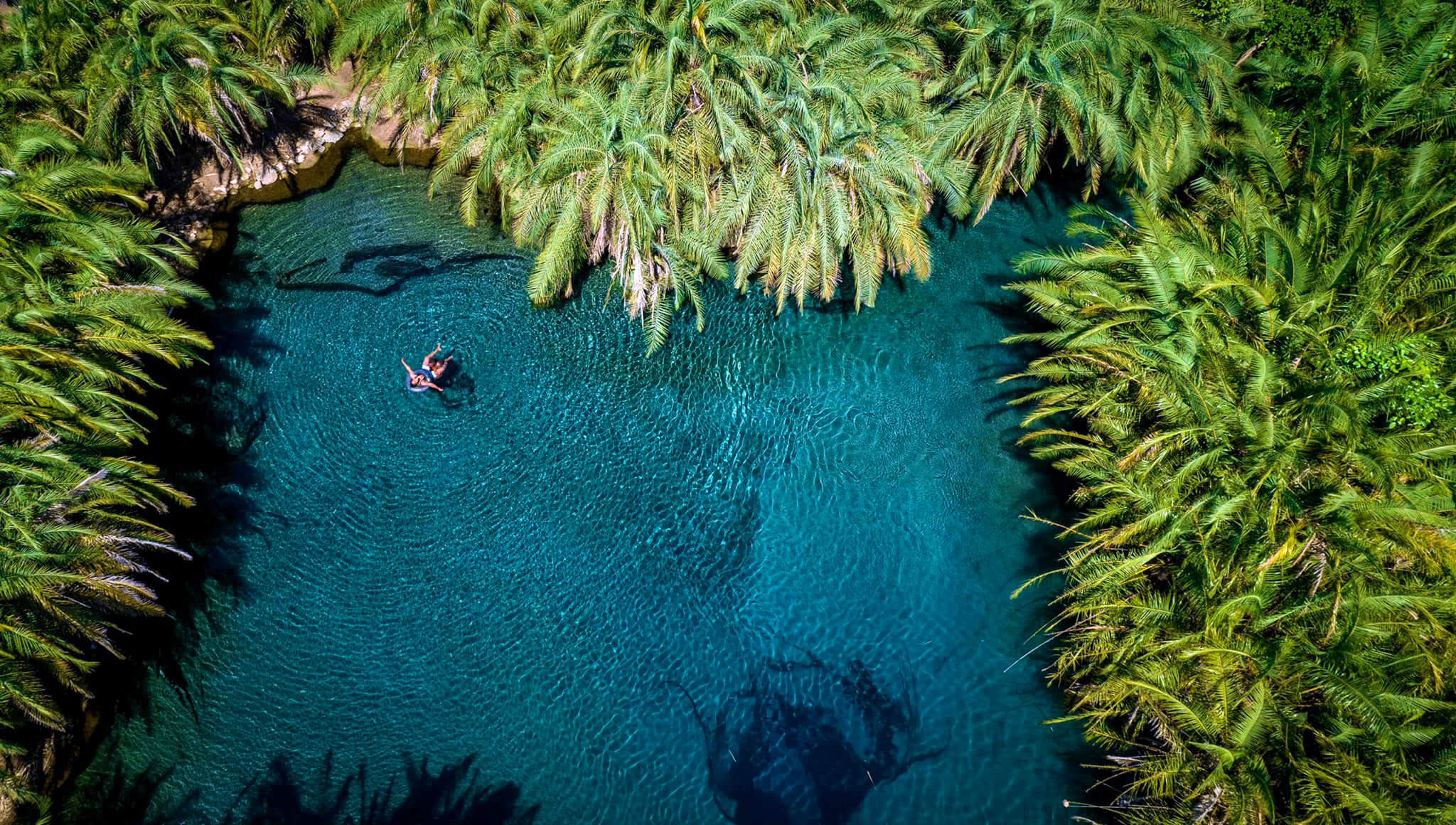
Tarangire Day Trip: Explore the Beauty of Tarangire National Park
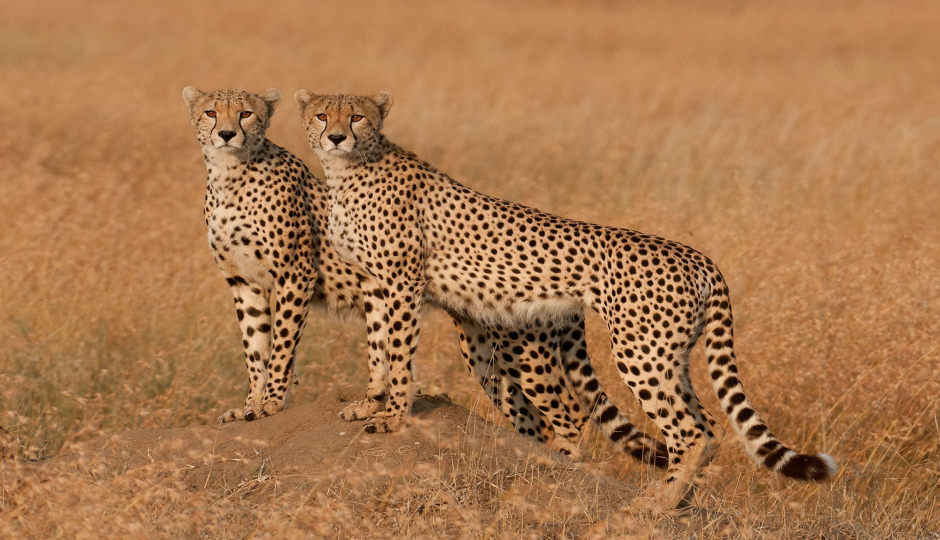
Embark on an unforgettable Tarangire Day Trip and experience one of Tanzania's most spectacular national parks, Tarangire National Park. Known for its large elephant herds and iconic baobab trees, Tarangire offers a unique and immersive wildlife expe...
Walking Tour in Arusha National Park Day Trip
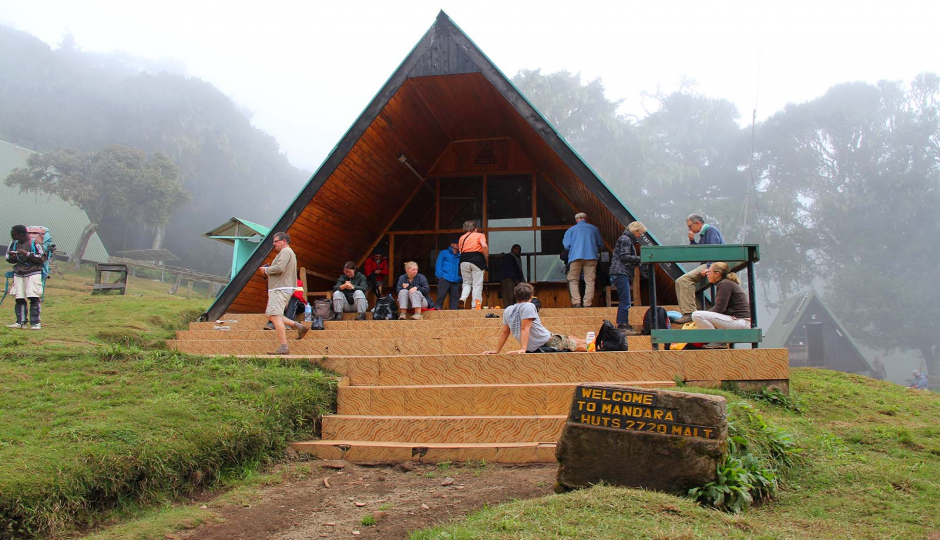
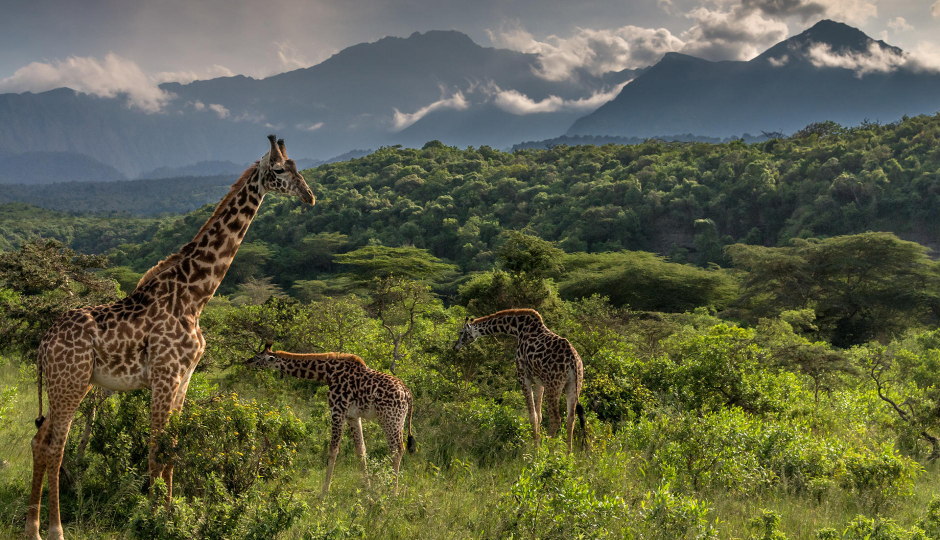
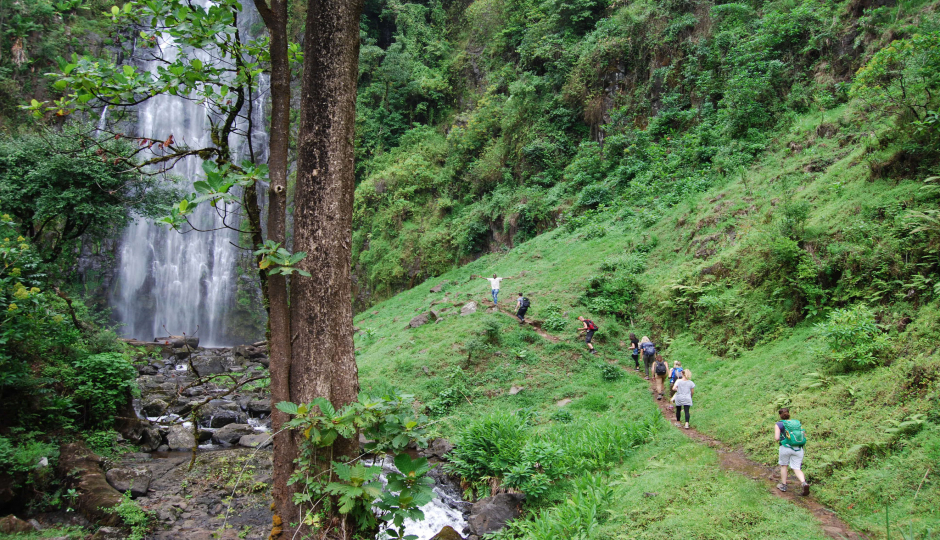
Walk freely alongside the wildlife of Tanzania and visit unique sights. A great way to start your Safari Experience. At the foot of Mount Meru lies Arusha National Park. A beautiful park, famous for its green surroundings, lakes, unique sights, and i...
Ngorongoro Crater Day Trip: Explore the Jewel of Tanzania
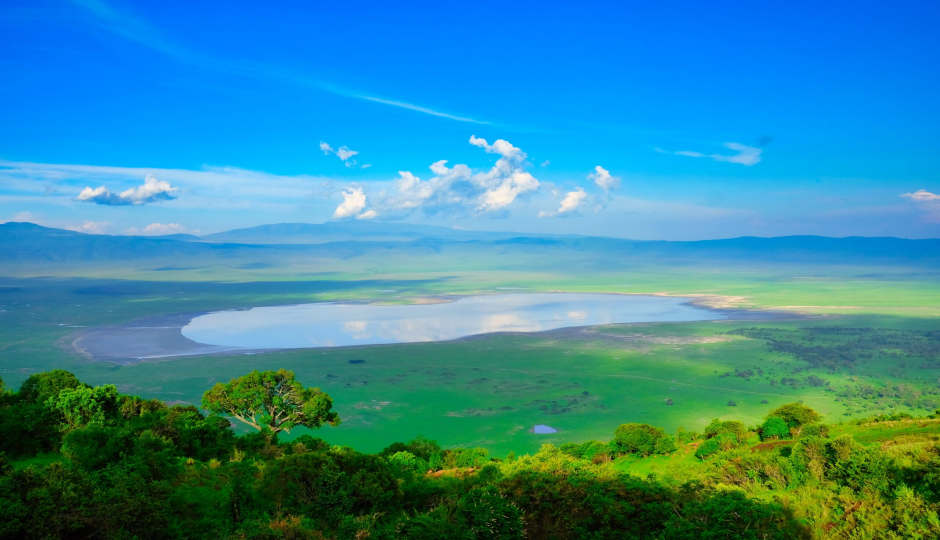
Experience one of Tanzania’s most iconic safari destinations on a Ngorongoro Crater day trip. Known as the Eighth Wonder of the World, the Ngorongoro Crater is a UNESCO World Heritage Site famous for its dramatic volcanic landscape and dense wildli...
Kikuletwa Hot Springs Day Trip: A Hidden Oasis in Tanzania
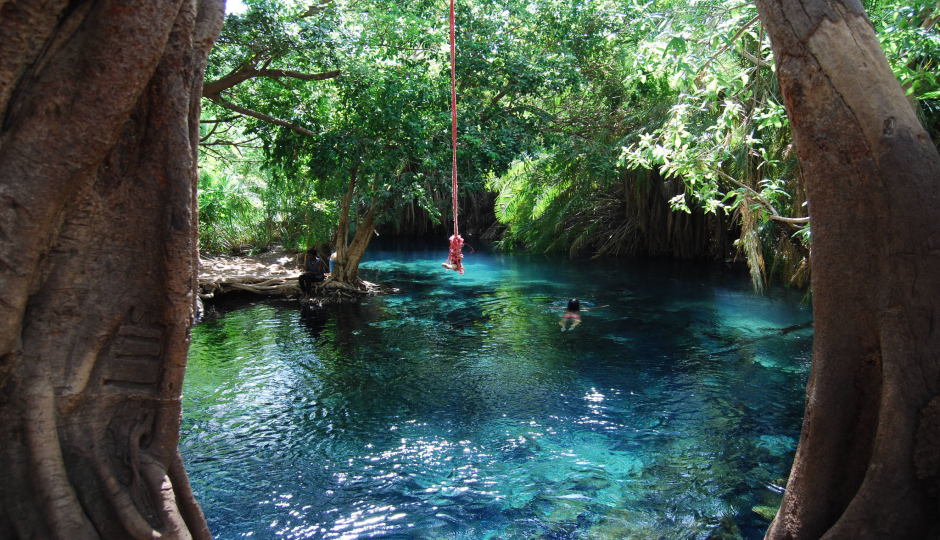
Escape to one of Tanzania’s most tranquil natural wonders on a Kikuletwa Hot Springs day trip. Located in the heart of the African savannah, these crystal-clear, turquoise waters offer a serene oasis surrounded by lush vegetation, perfect for relax...
Lake Chala Day Trip: Explore Tanzania's Hidden Gem
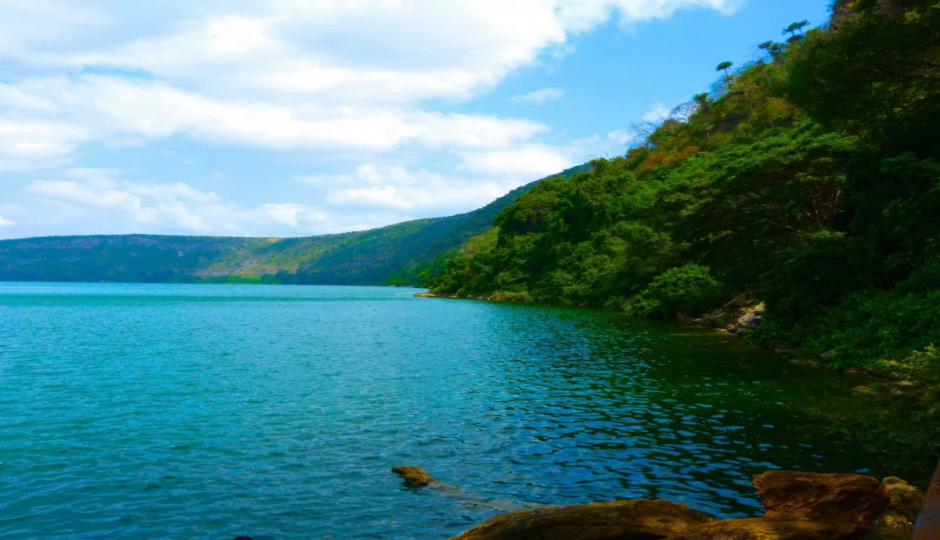
Discover the stunning beauty of one of Tanzania's most serene and less-traveled destinations on a Lake Chala day trip. Nestled on the border of Tanzania and Kenya, Lake Chala is a breathtaking crater lake surrounded by lush landscapes, offering an es...
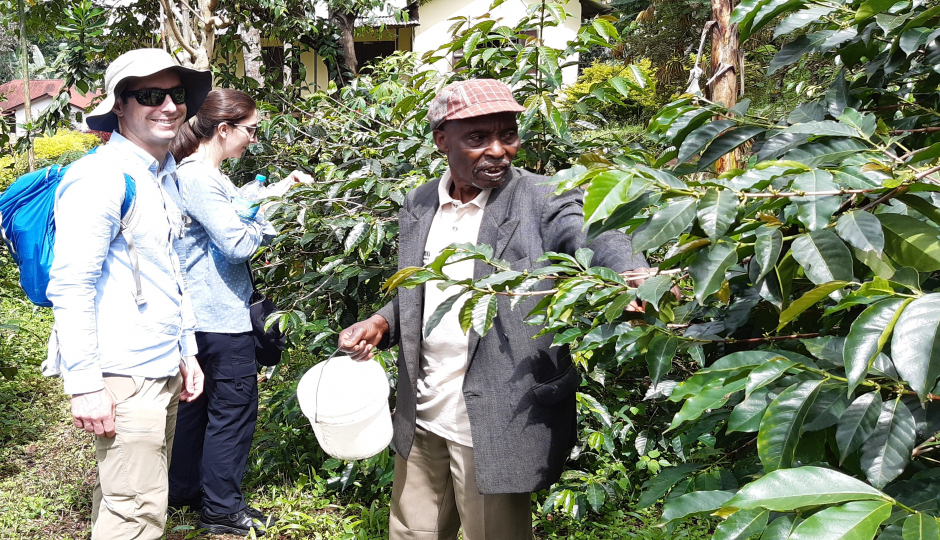
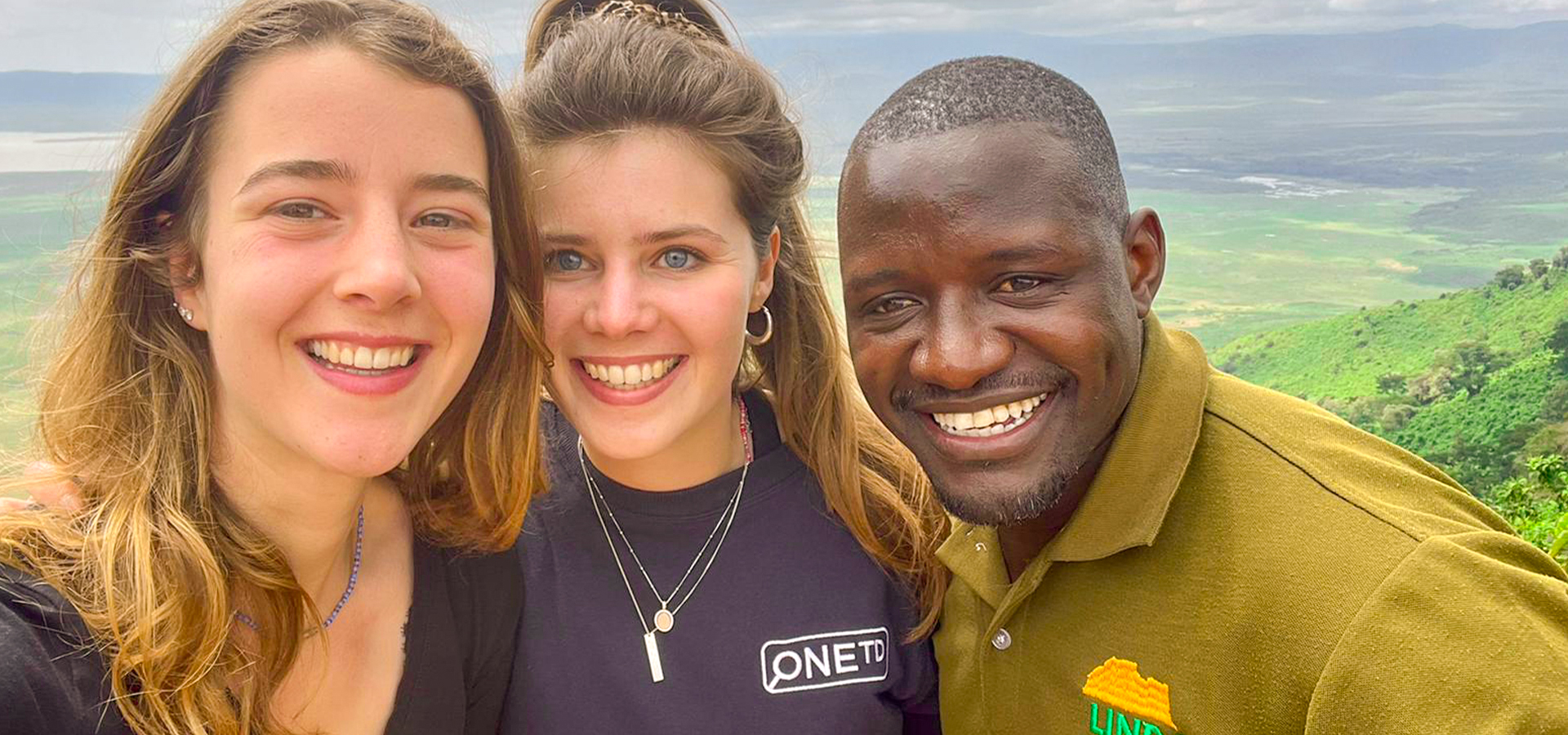
About Tanzania
Explore Tanzania, a land of breathtaking landscapes, incredible wildlife, and rich cultures. Discover world-famous destinations like the Serengeti, Ngorongoro Crater, Mount Kilimanjaro, and Zanzibar while learning about the country's history, people, attractions, and unforgettable travel experiences.
Our Blog
- Travel Blog
- Kilimanjaro (61)
- Wild Places (16)
- Beach Holidays (5)
- Tanzania Safari (16)
- Travel Tips (82)
- Cultural Experiences (5)
- Wild Stories (2)
Wild Places
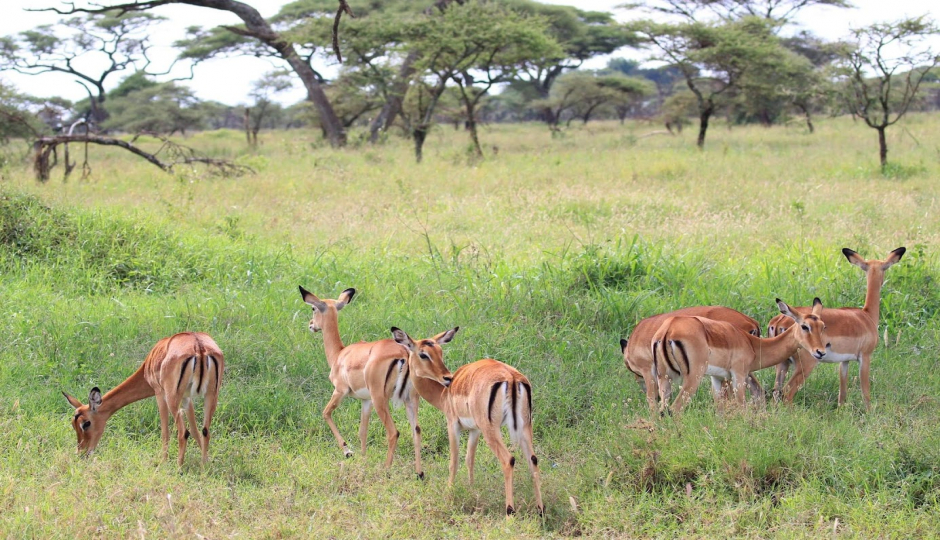
- 10 Interesting Facts About Serengeti National Park
- Tarangire vs Lake Manyara vs Ngorongoro Crater – Which Tanzania Safari Park Is Right for You?
- Exploring Mkomazi National Park's Rhino and Wild Dog Project: A Conservation Success Story
- Discovering the Mystical Beauty: Oldonyo Lengai and Lake Natron – A Unique Tanzanian Adventure
- Tarangire National Park: A Serengeti Rival You Shouldn't Miss
Wild Places
Cultural Experiences
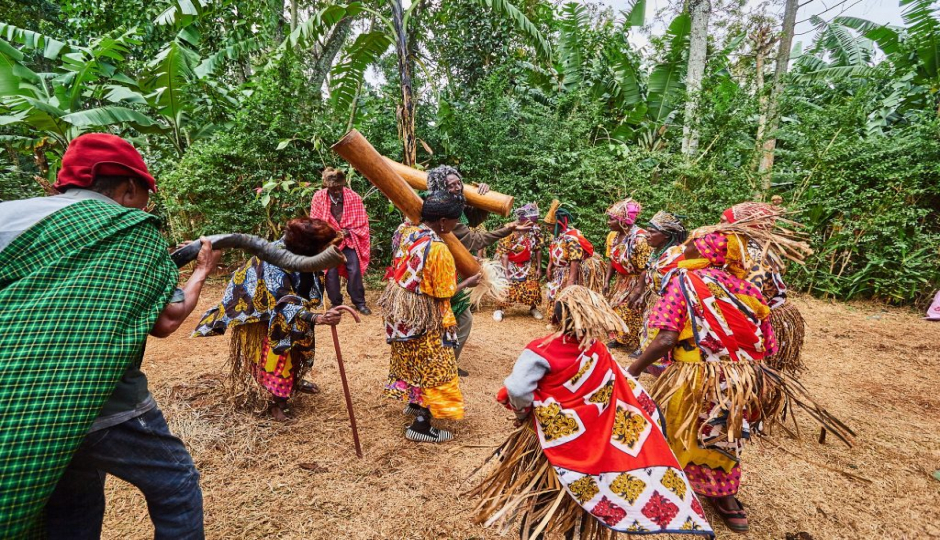
- The Maasai: Exploring the Vibrant Culture of Africa's Iconic Tribe
- The Hadzabe Tribe: Unraveling the Enigma of Tanzania's Last Hunter-Gatherers
- Exploring the Rich Culture and Heritage of the Chagga People
- The Datoga Tribe: Unraveling the Cultural Tapestry of Tanzania
- Unveiling the Rich Tapestry of Tanzanian Tribes: A Cultural Mosaic
Cultural Experiences
Beach Holidays
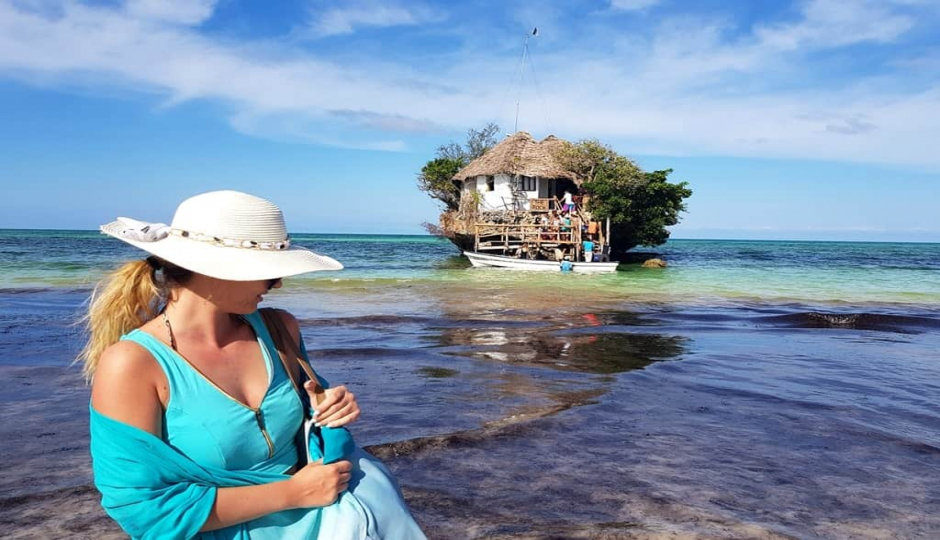
- Nungwi, Zanzibar: A Slice of Paradise Worth Exploring
- Dar es Salaam Beach Holidays: Where Urban Living Meets Tropical Paradise
- How to find Things & Places to Visit in Zanzibar Island
- Zanzibar - A Tropical Paradise: The Best Time to Visit for an Unforgettable Beach Holiday
- Exploring the Enchanting Zanzibar Archipelago
Beach Holidays
Kilimanjaro
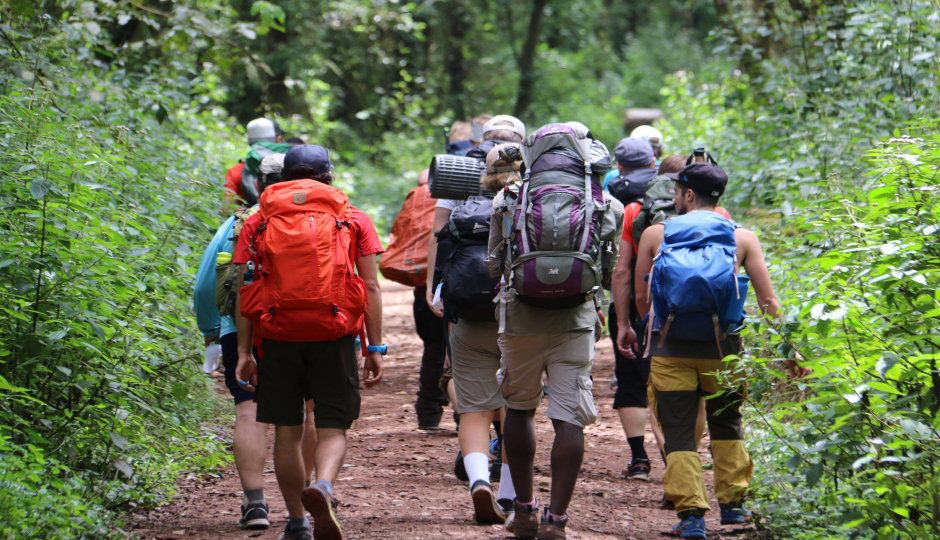
- What are the Most Important Tips to Know Before Climbing Mt Kilimanjaro
- Conquering Kilimanjaro Together: A Memorable Christmas Group Climb
- The Ultimate Adventure - Climbing Kilimanjaro and Safari in Tanzania
- Balancing Comfort and Conservation: How Many Porters Should Climb Kilimanjaro per One Climber?
- How to Prepare for Kilimanjaro Trek
Kilimanjaro
Travel Tips
- Public Toilets in Tanzania's National Parks - Clean and Well-Maintained for Your Convenience
- Embark on an Unforgettable Adventure with Tanzania Tours and Safaris by Lindo Travel & Tours
- Exploring Moshi - The Best Things To Do!
- Exploring the Wonders of Tanzania: A 5-Day Lodge Safari Adventure
- Unveiling the Exotic Paradise: A Dreamy Escape to Tanzania and Zanzibar
Travel Tips
Tanzania Safari
- Experience the Magic of a Shared Safari in Tanzania
- Tanzania Safari: Your Ultimate Guide to an Unforgettable Adventure
- How Much Does a Tanzania Safari Trip Cost?
- The Great Migration in Serengeti: A Month-by-Month Guide to Nature’s Greatest Show
- Which Month Is Perfect for Travelling to Tanzania Safari?
Tanzania Safari
 CHAT ON WHATSAPP