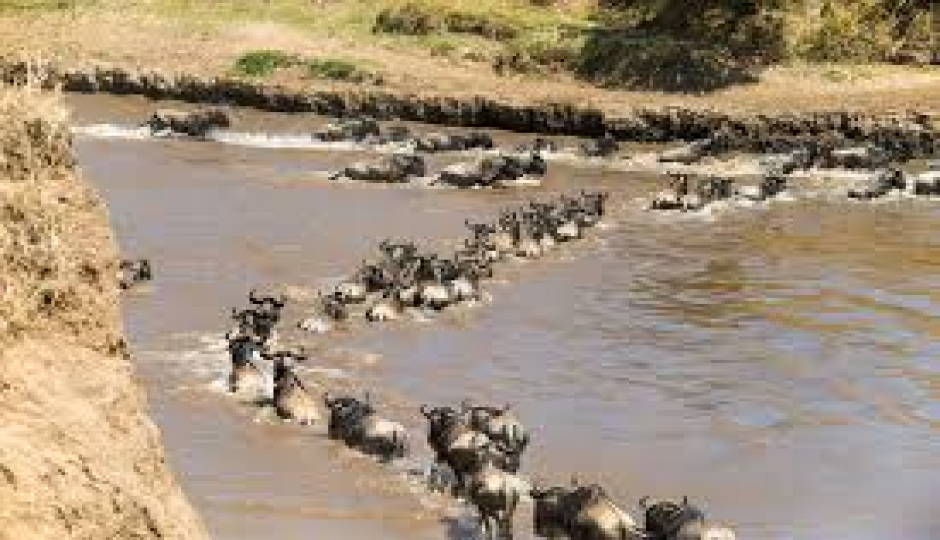
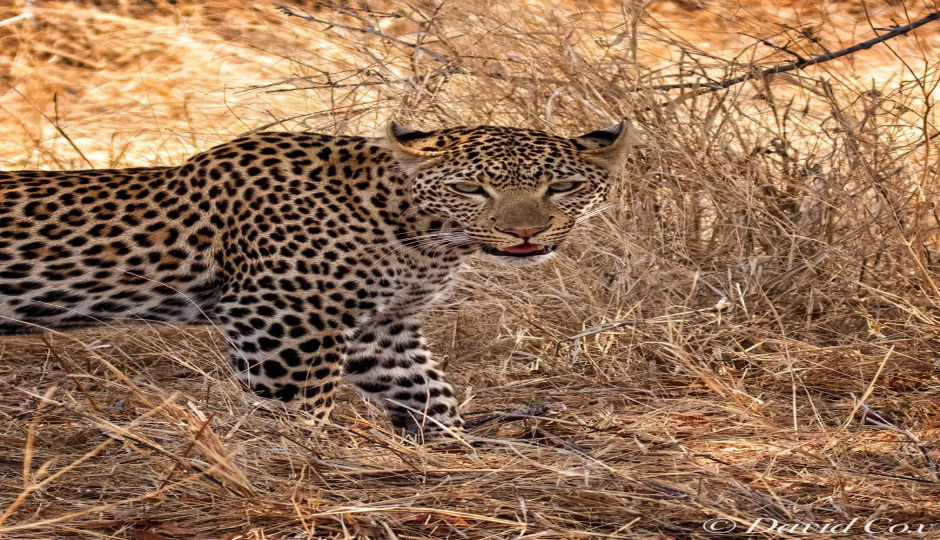
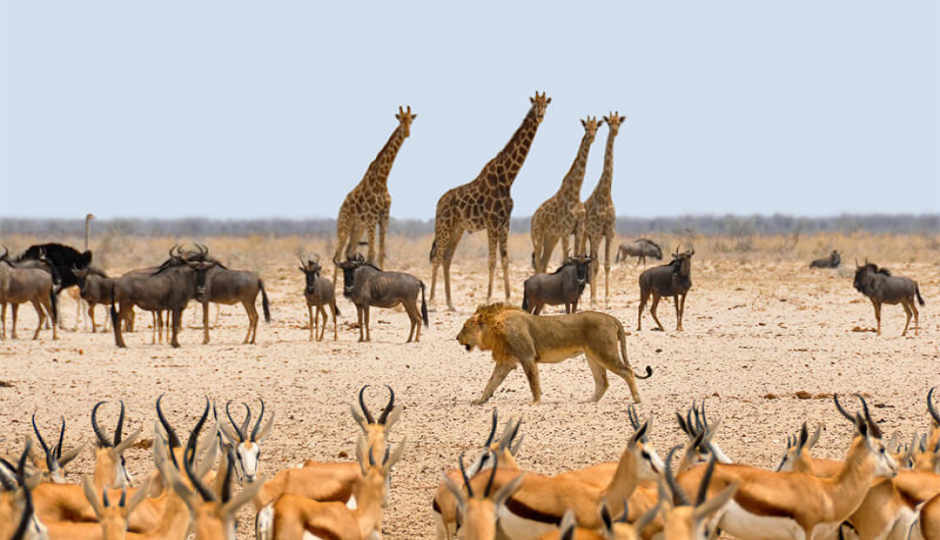
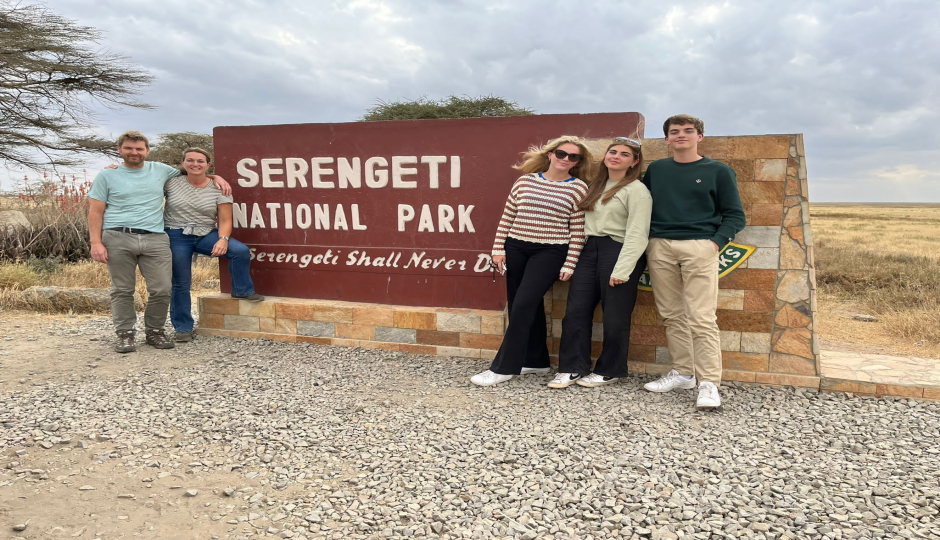
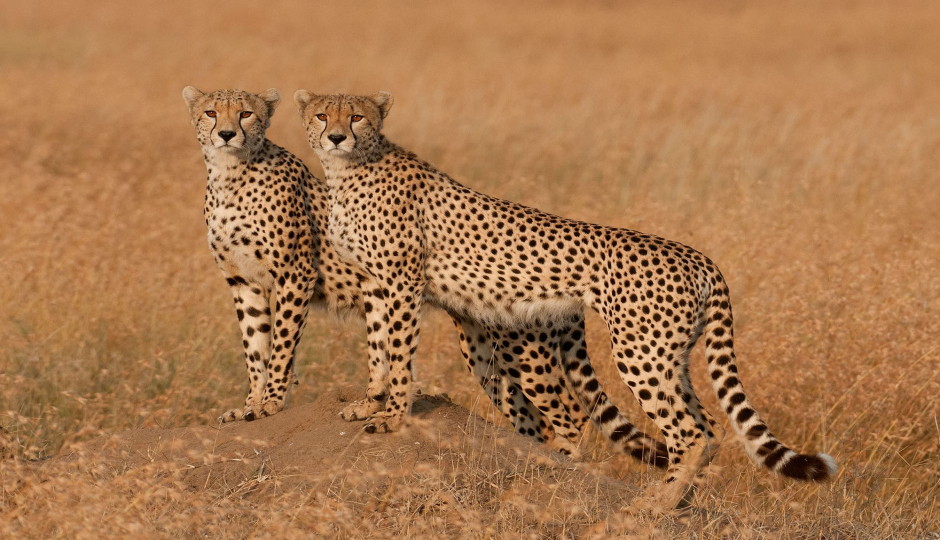
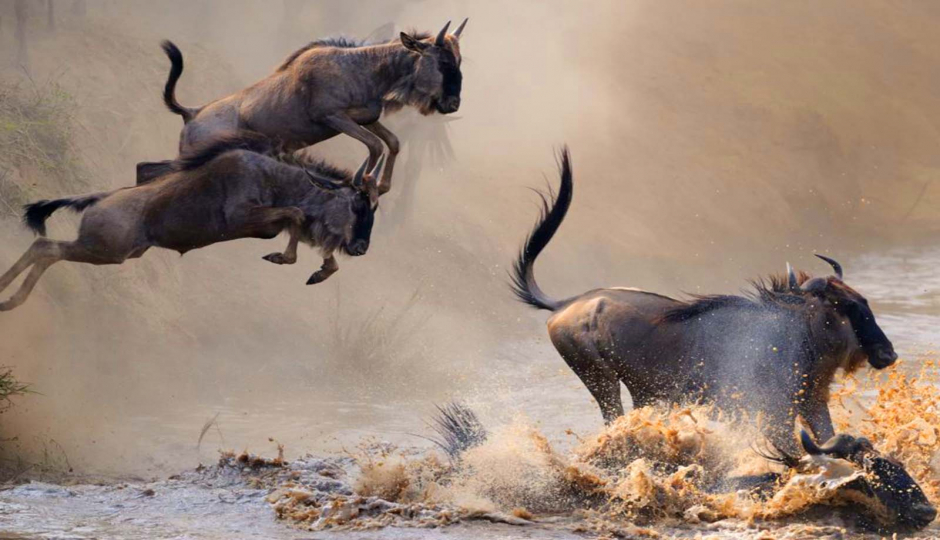
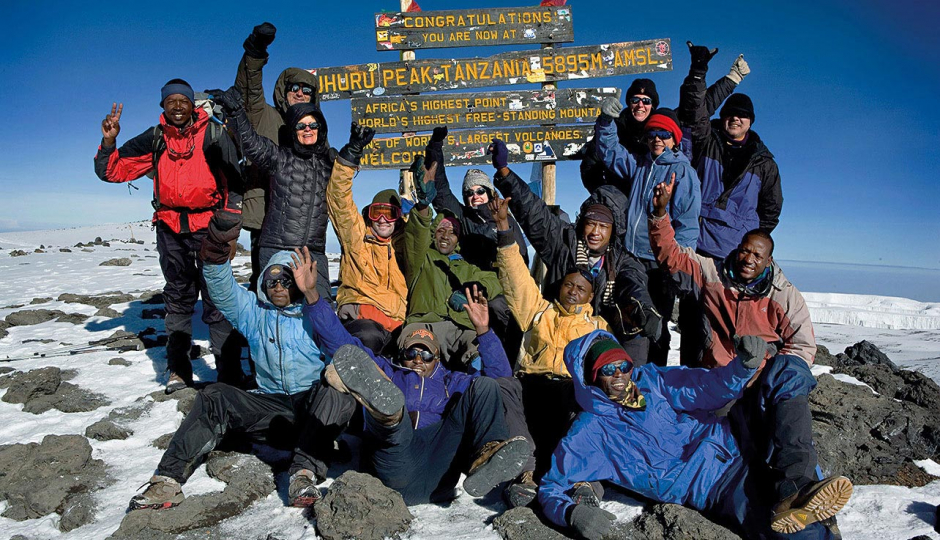
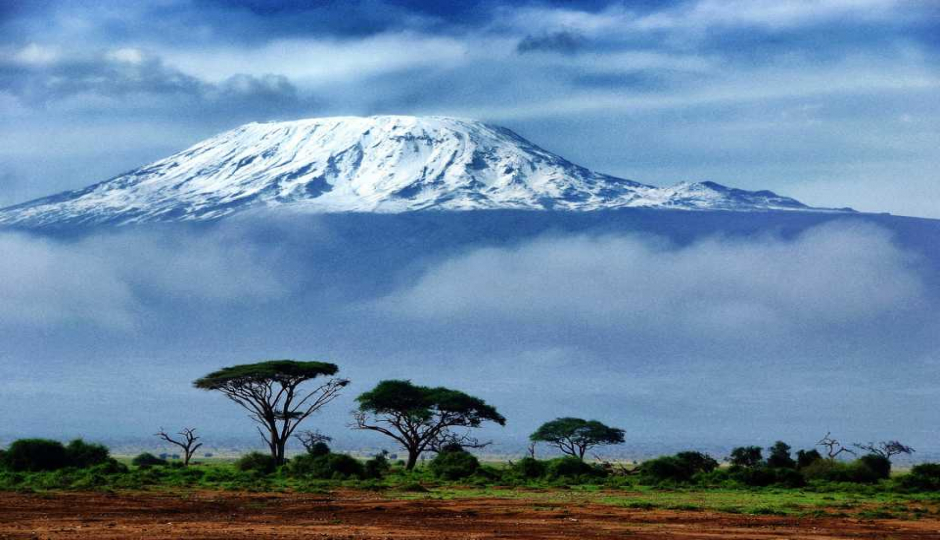
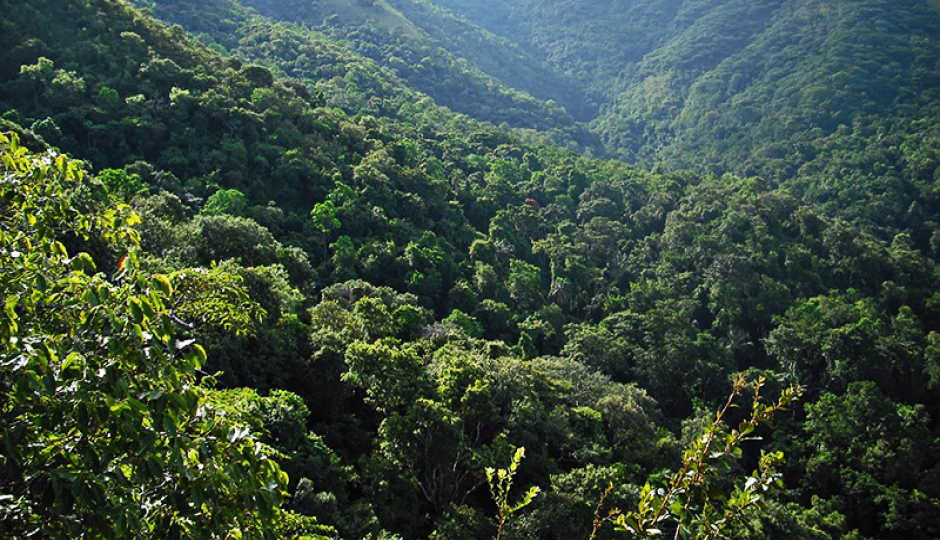
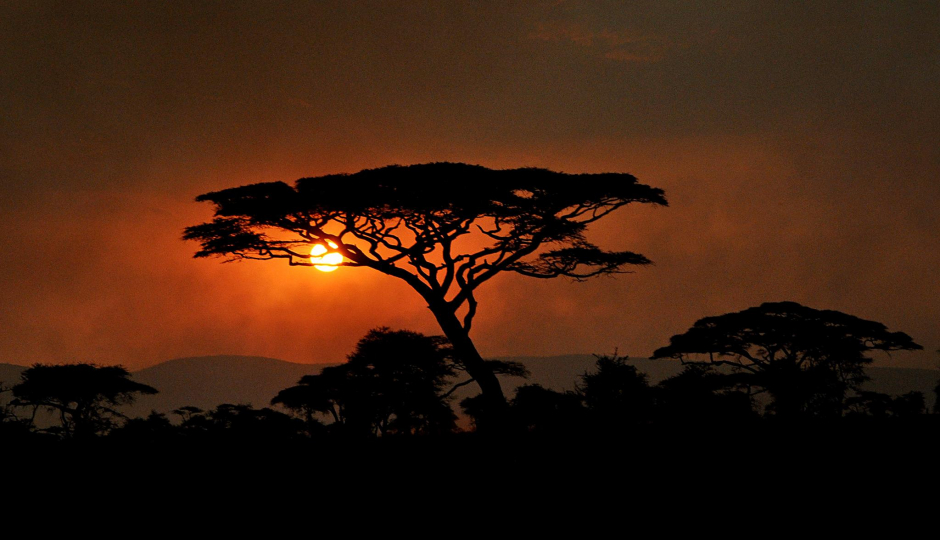
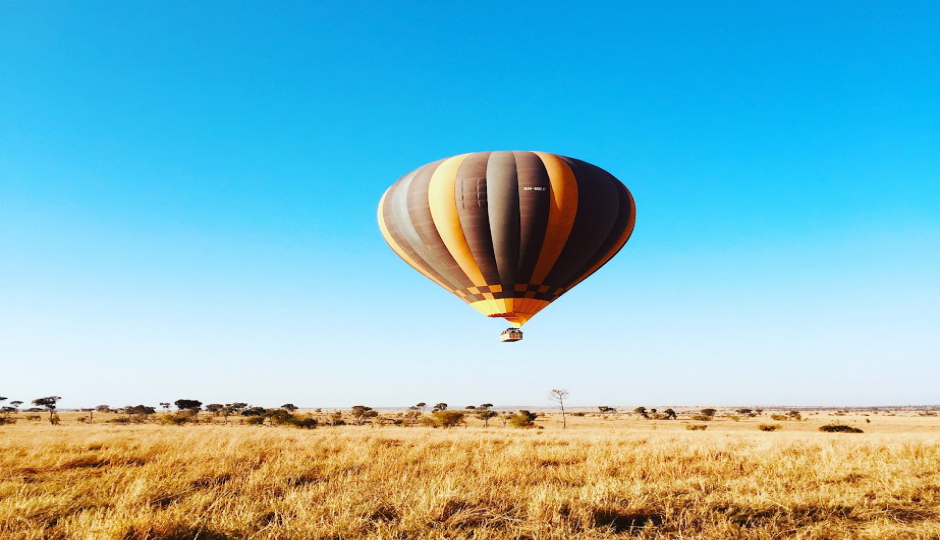
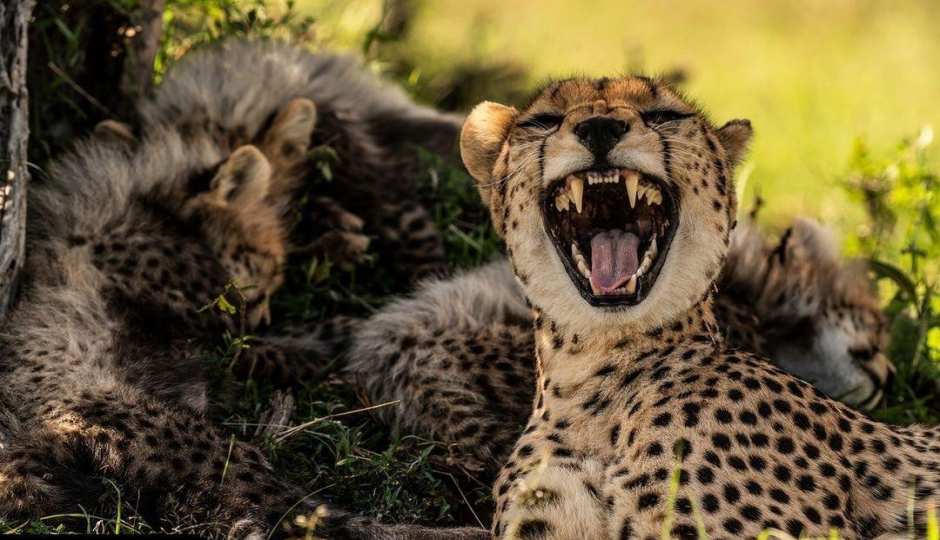
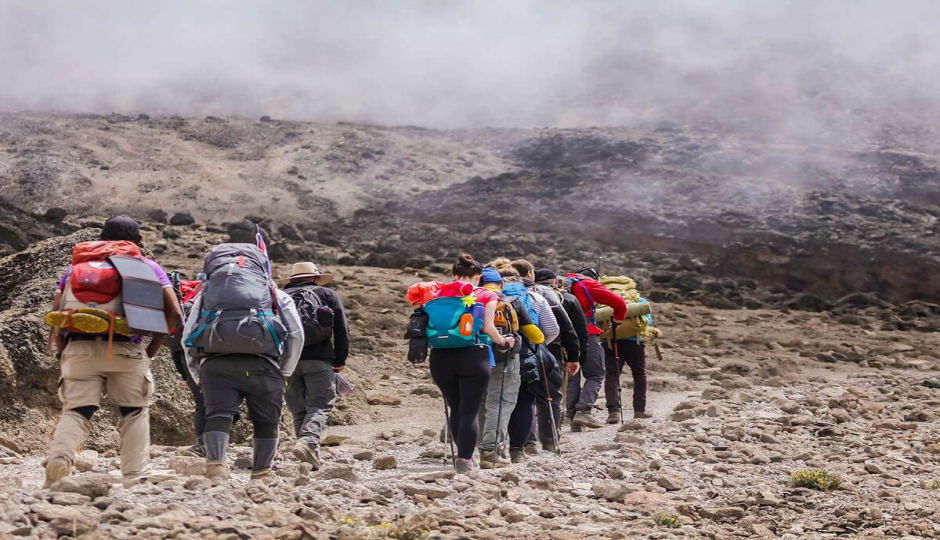
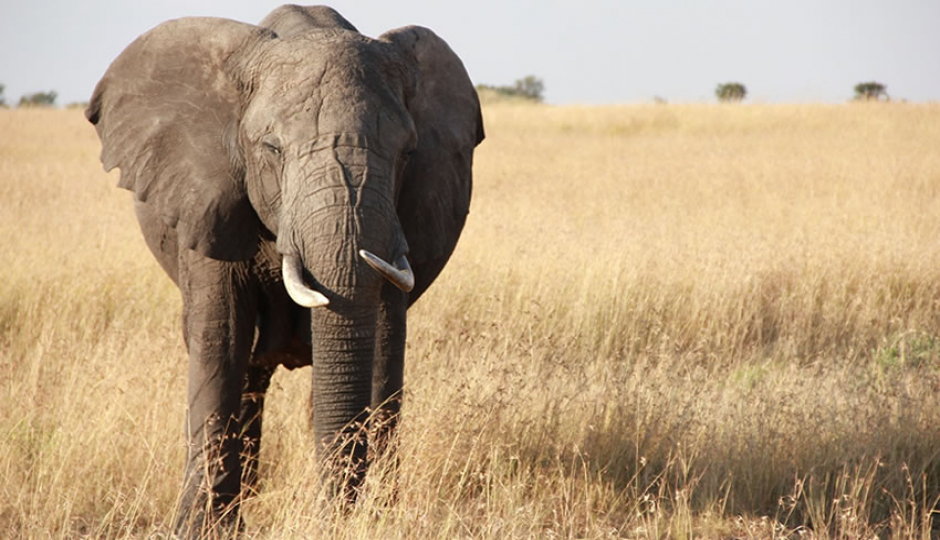
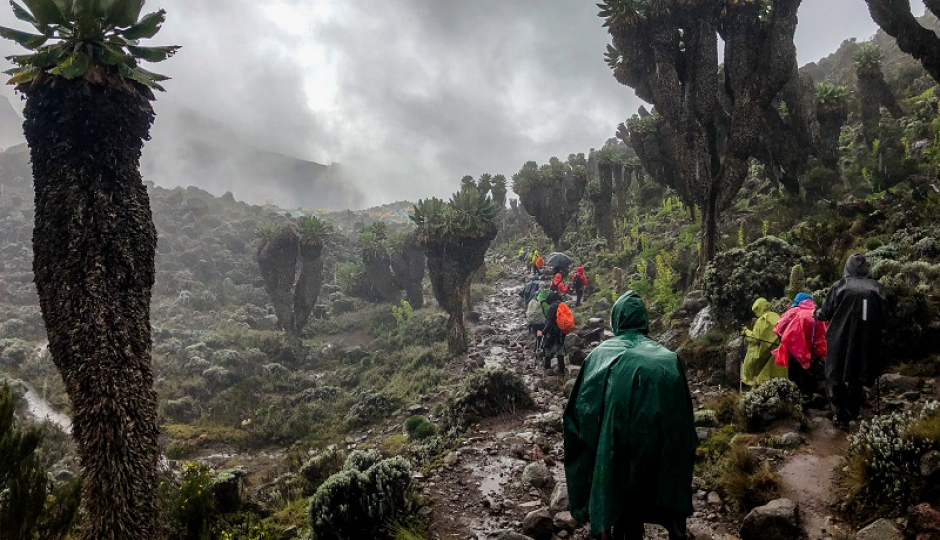
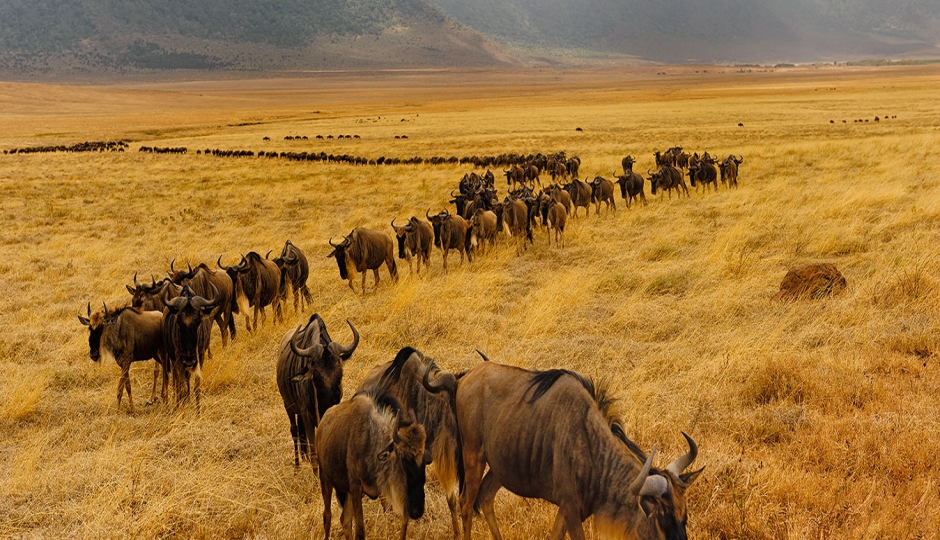
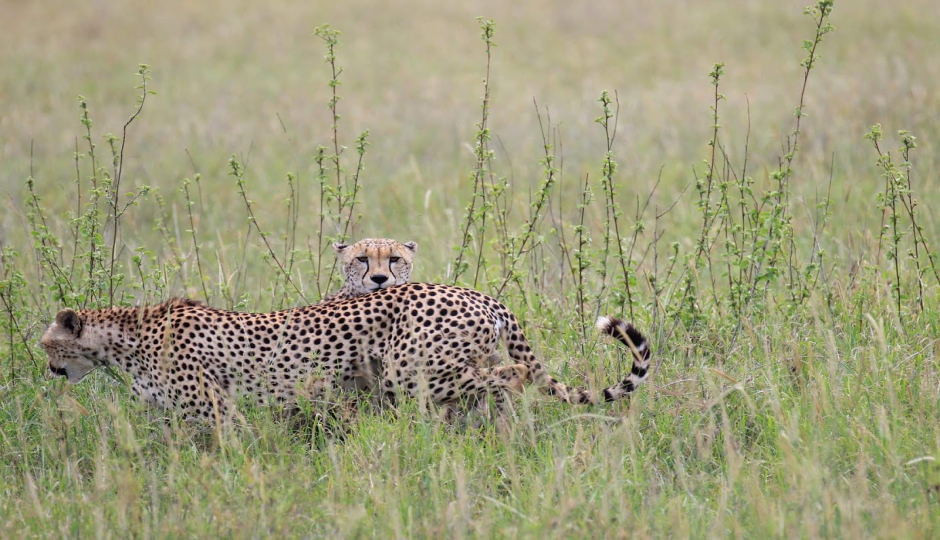
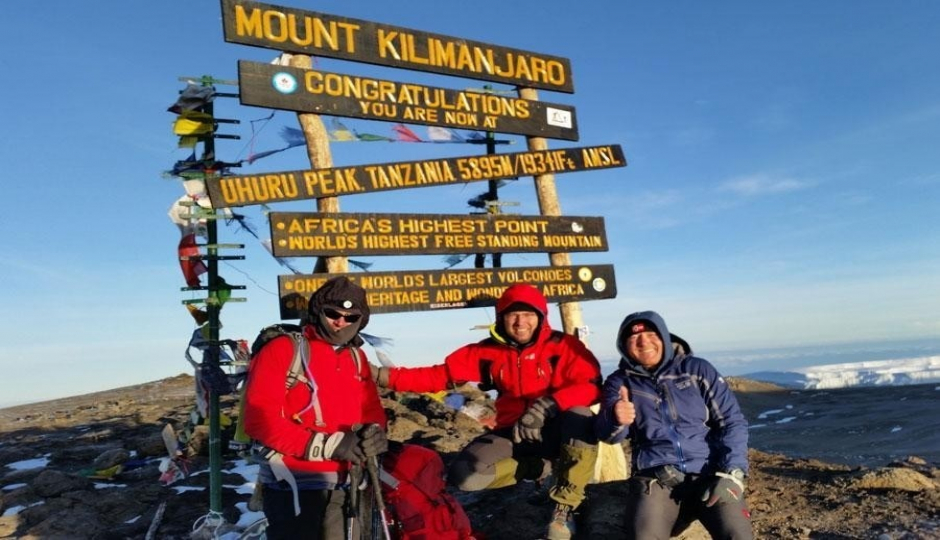
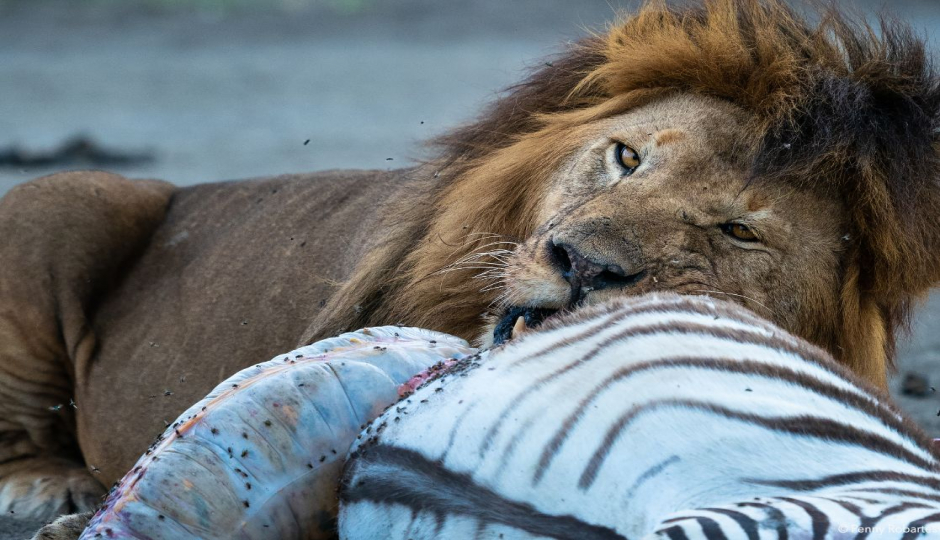
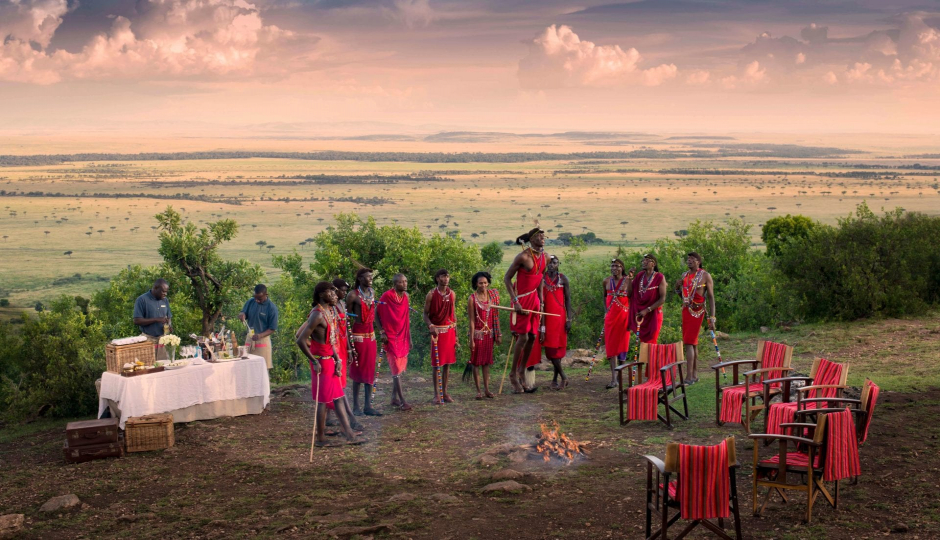
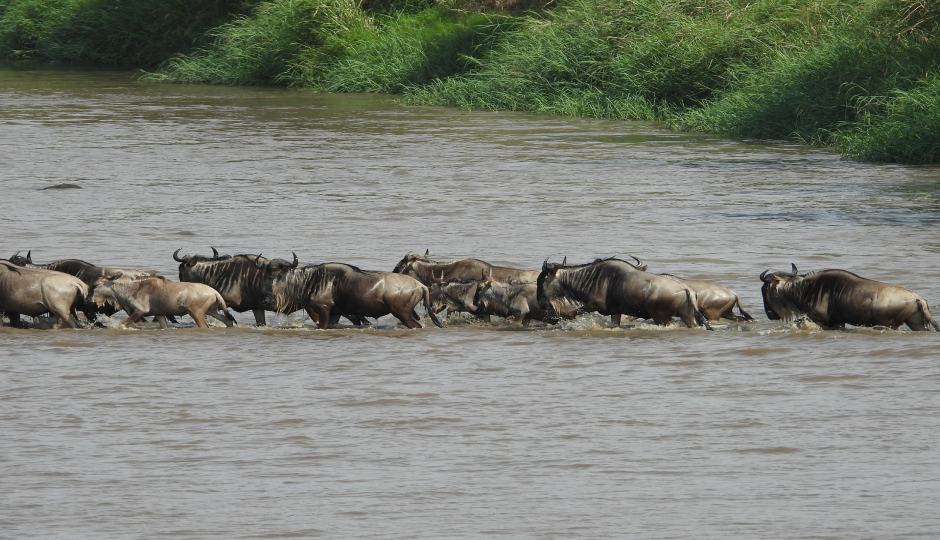
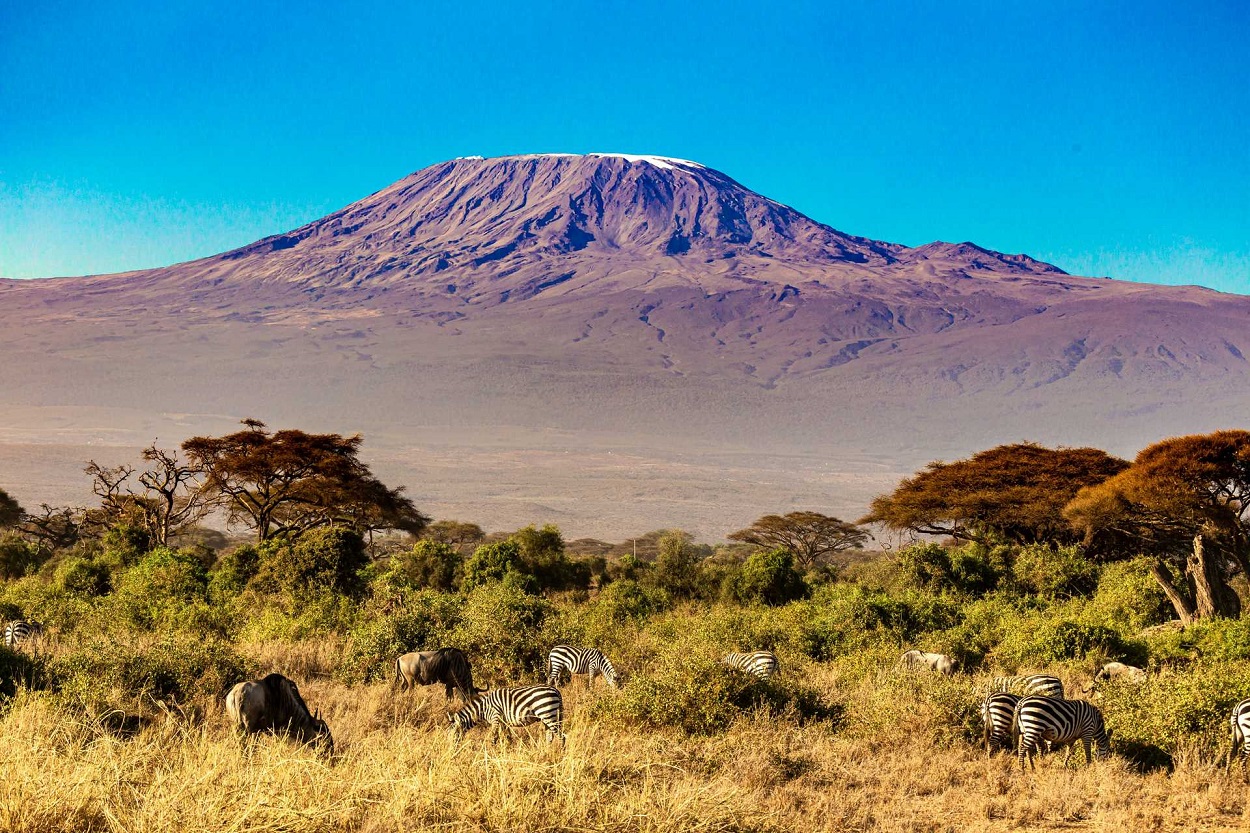
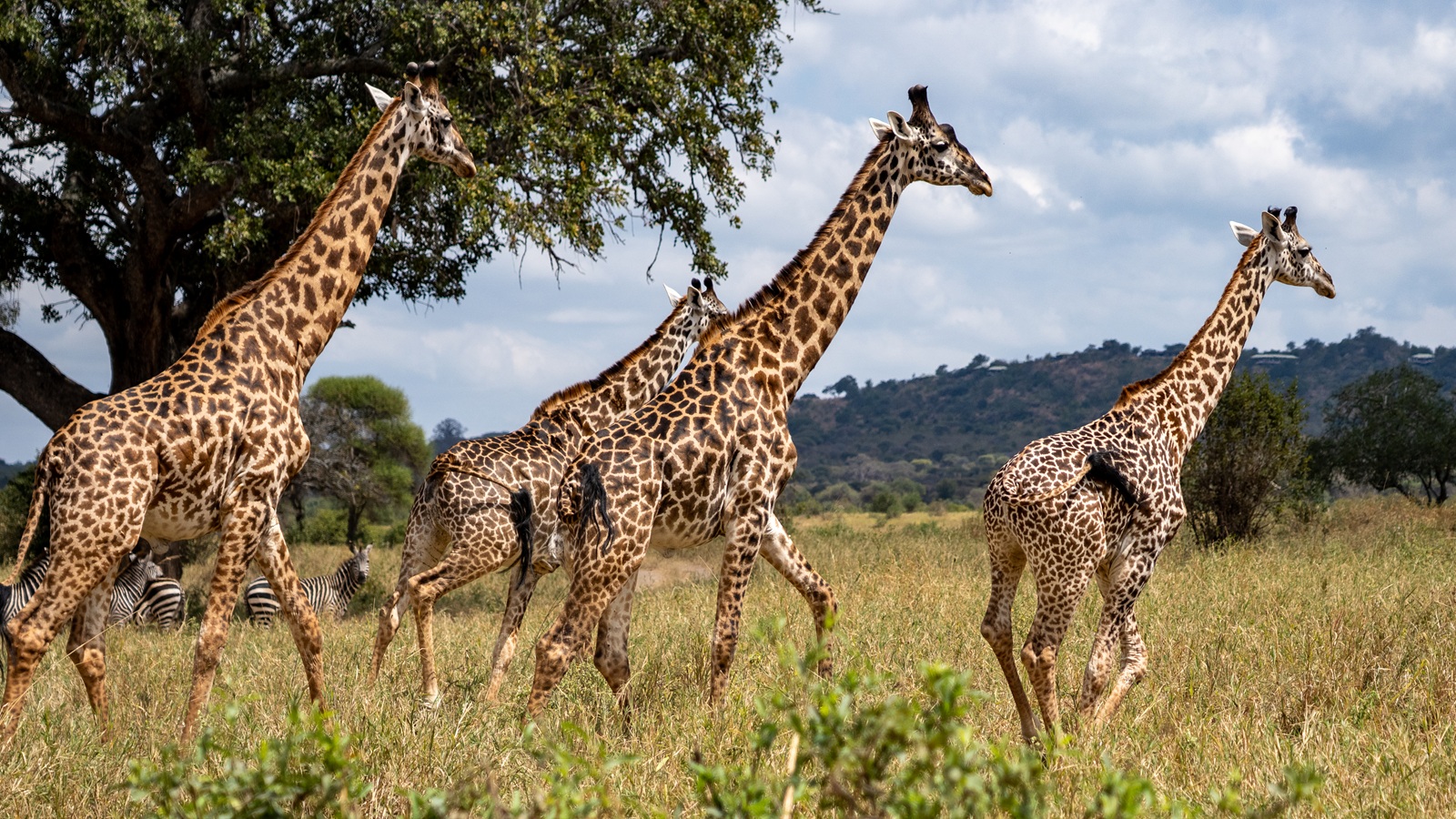
There are few travel experiences that combine adventure and wildlife quite like a journey through northern Tanzania. One day you can be walking through the mountain forests of Mount Kilimanjaro, surrounded by mist and vegetation, gradually gaining altitude with every step. A few days later, you can be sitting in a safari vehicle on the open plains of the Serengeti, watching elephants, lions, giraffes and wildebeest move through the landscape.
This is what makes combining Kilimanjaro and a Tanzania safari such an attractive way to experience the country.
Kilimanjaro gives you the challenge of climbing Africa's highest mountain. A safari gives you the opportunity to slow down and experience Tanzania's wildlife and landscapes from a completely different perspective. For travellers who have already made the journey to Tanzania, combining the two can also be a practical way to experience more of the country in one holiday.
The key, however, is planning the trip properly. Kilimanjaro is physically demanding, while a safari involves long drives and early mornings. A good itinerary should give you enough time for acclimatization, recovery and relaxation rather than trying to fit too many activities into every day.
Why Combine Kilimanjaro and Safari?
Kilimanjaro and safari complement each other because they offer two completely different experiences.
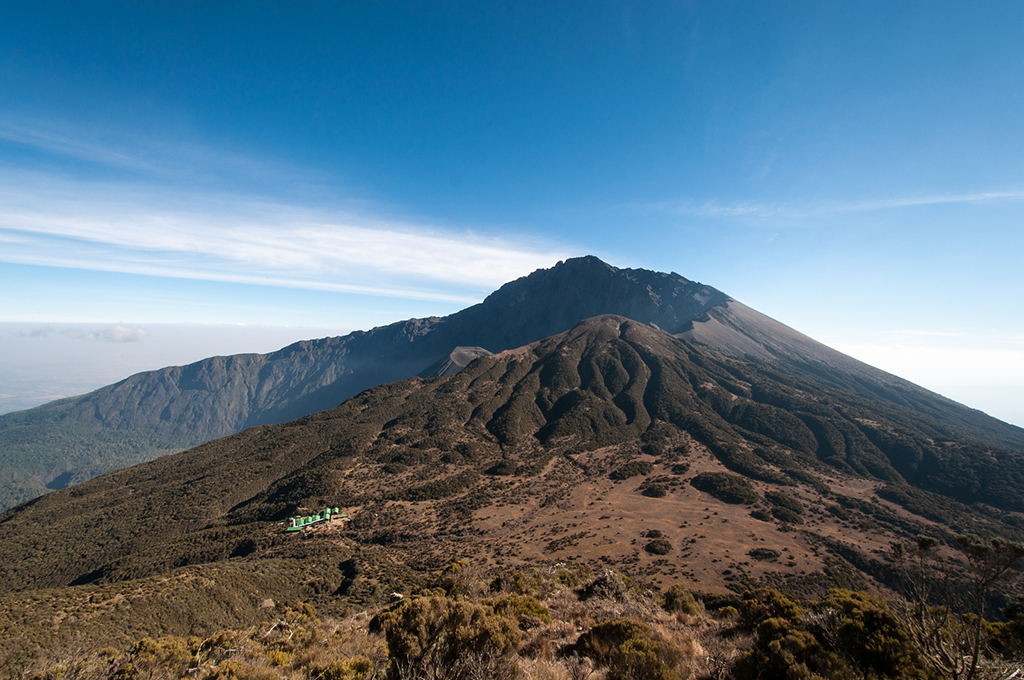
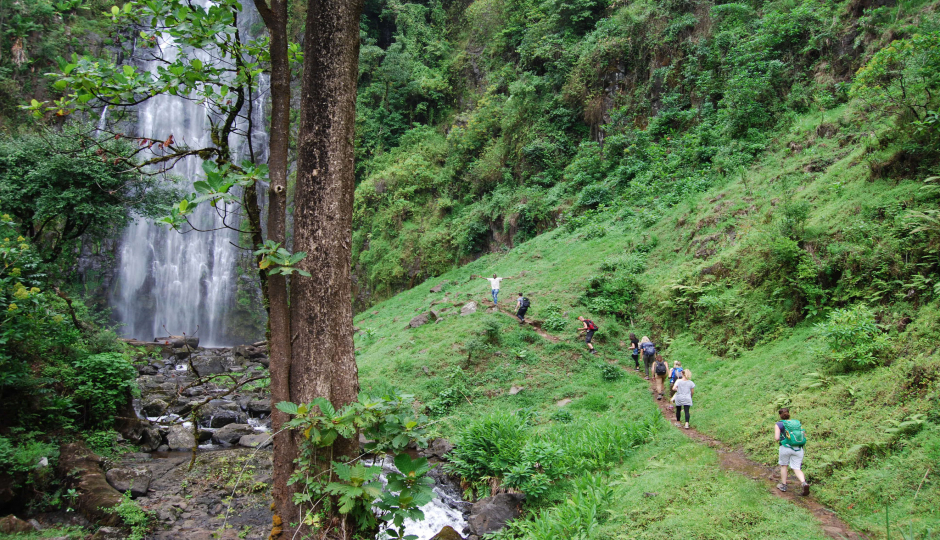
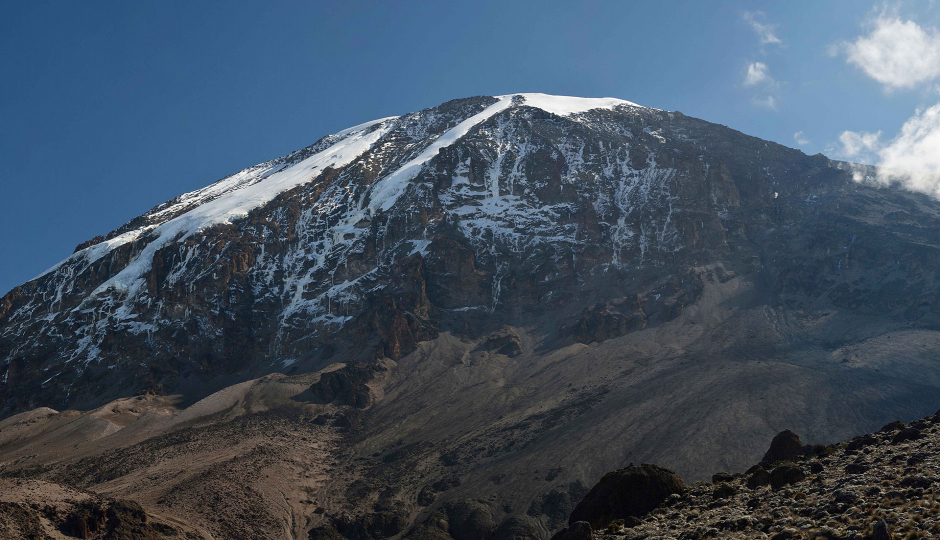
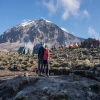
A Kilimanjaro climb is active and personal. You walk for several hours each day, gradually moving through different ecological zones as you climb higher. The scenery changes from cultivated land and rainforest to moorland, alpine desert and eventually the high-altitude summit environment.
The experience is also about patience. Kilimanjaro is not a race to the summit. Walking slowly, managing your energy and allowing your body to adjust to altitude are important parts of the journey.
Safari is almost the opposite.
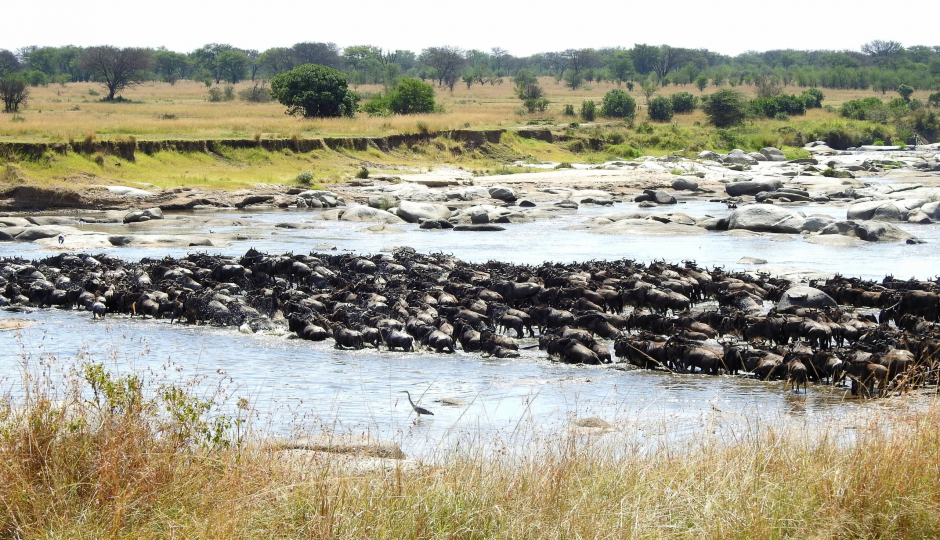
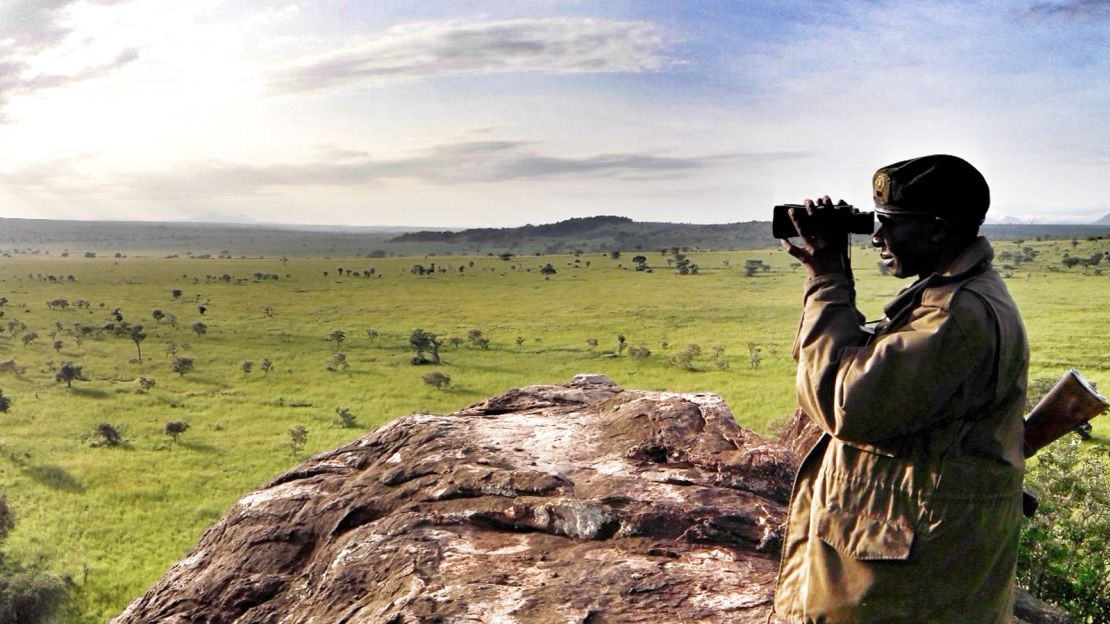
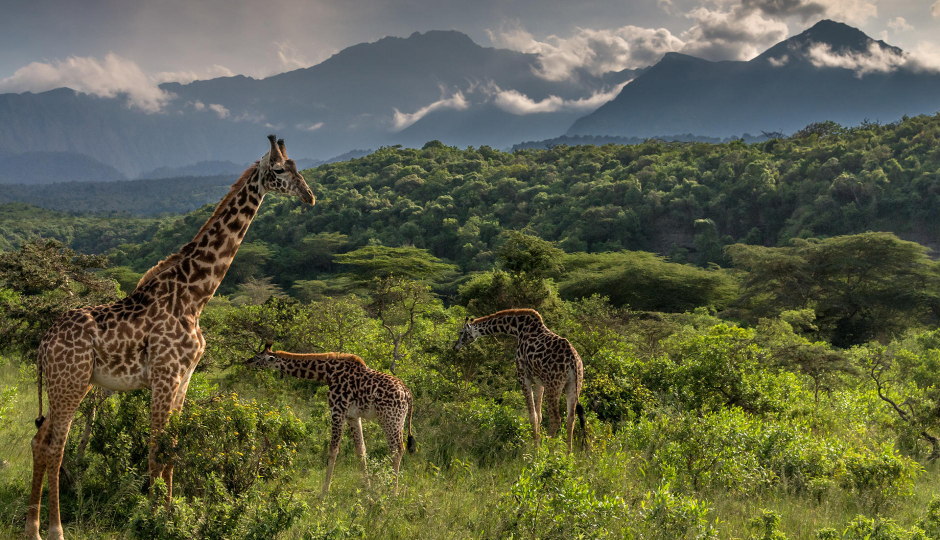
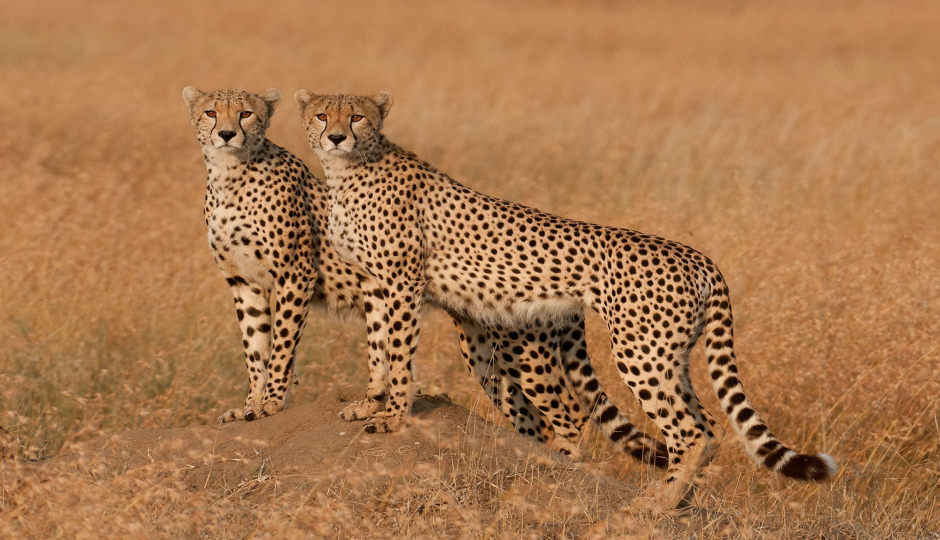
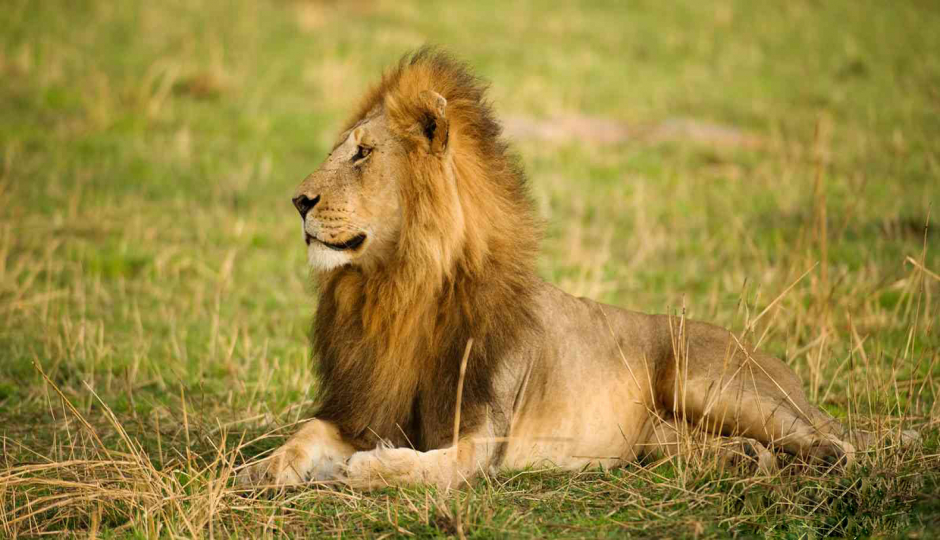
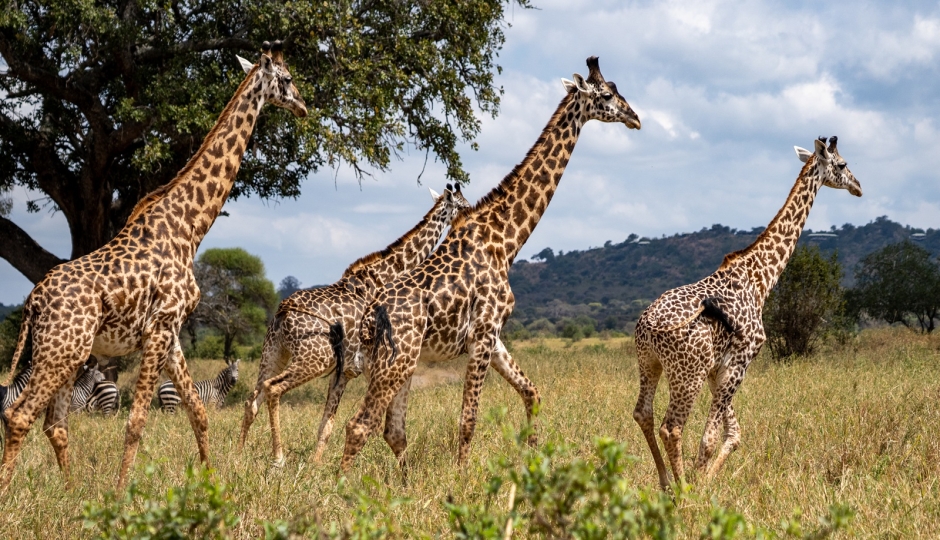
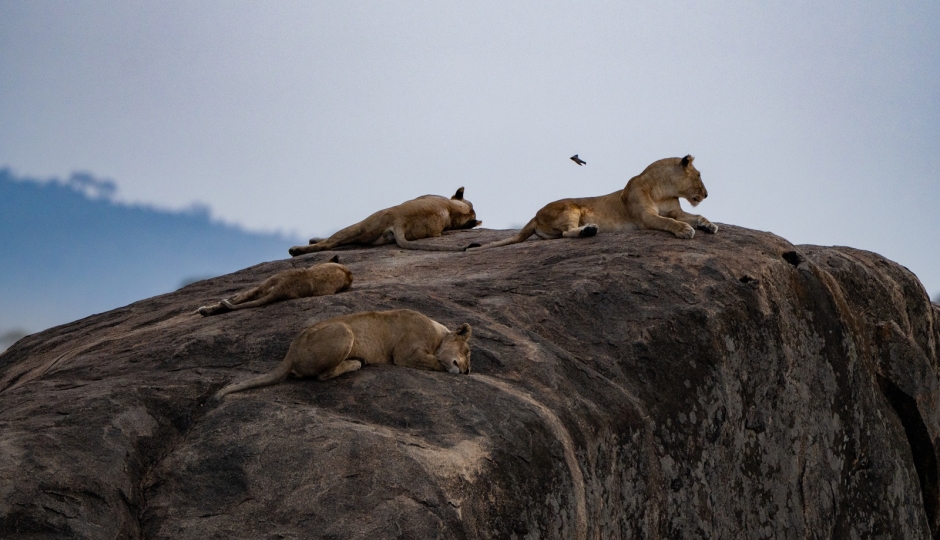
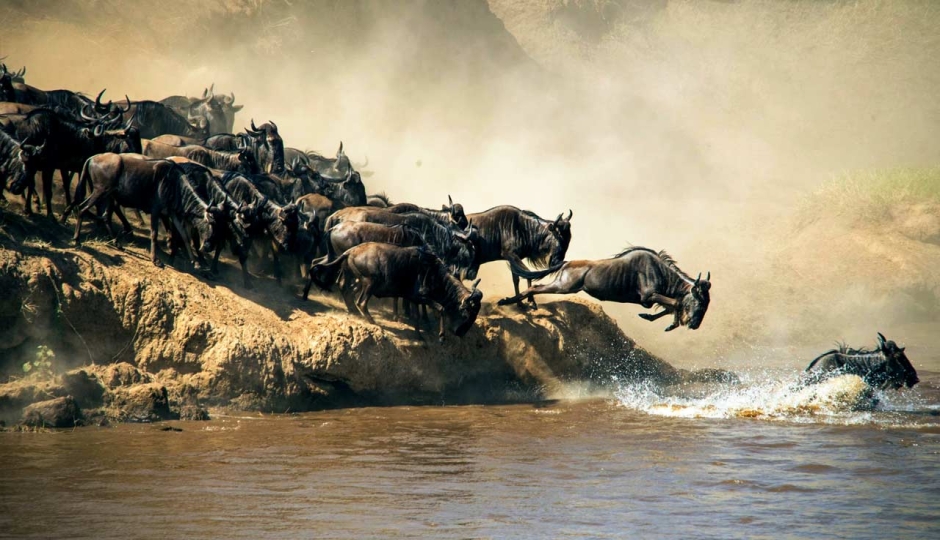
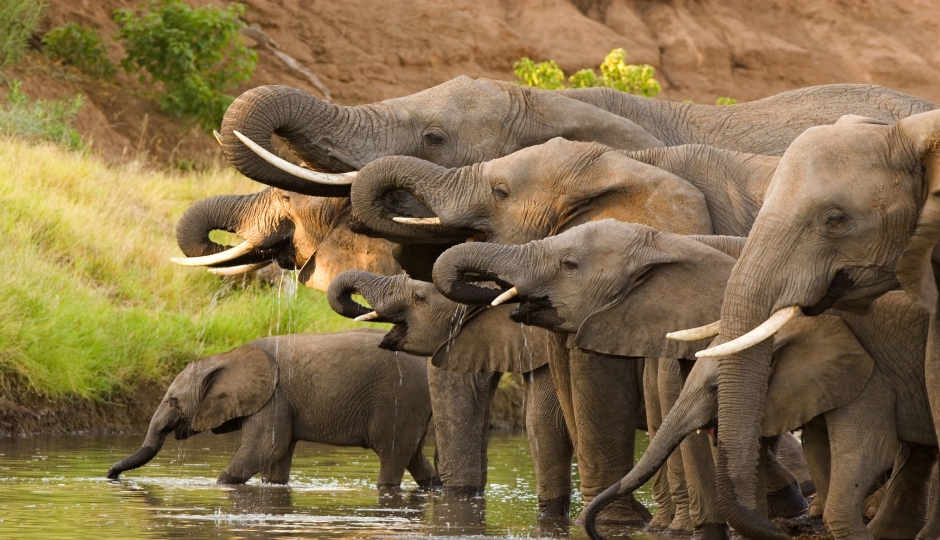
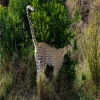
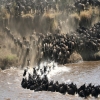
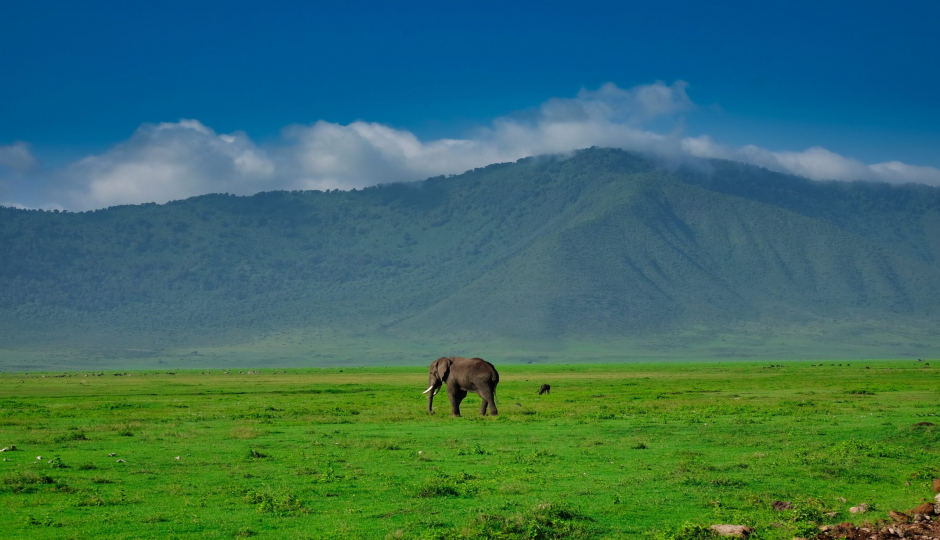
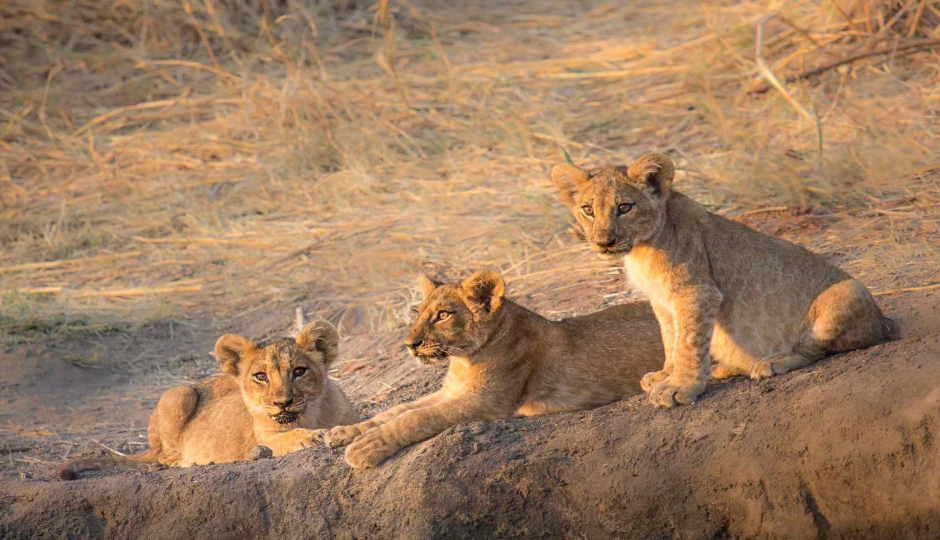
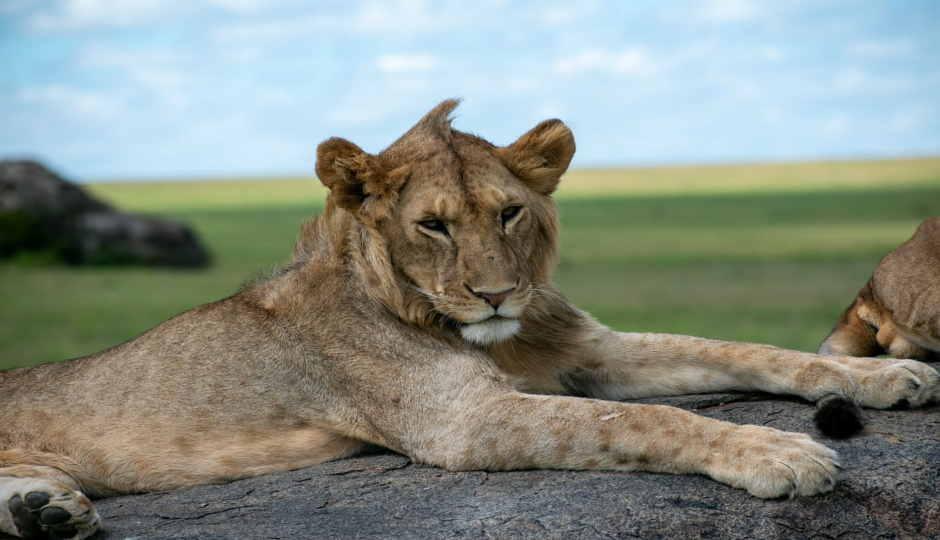
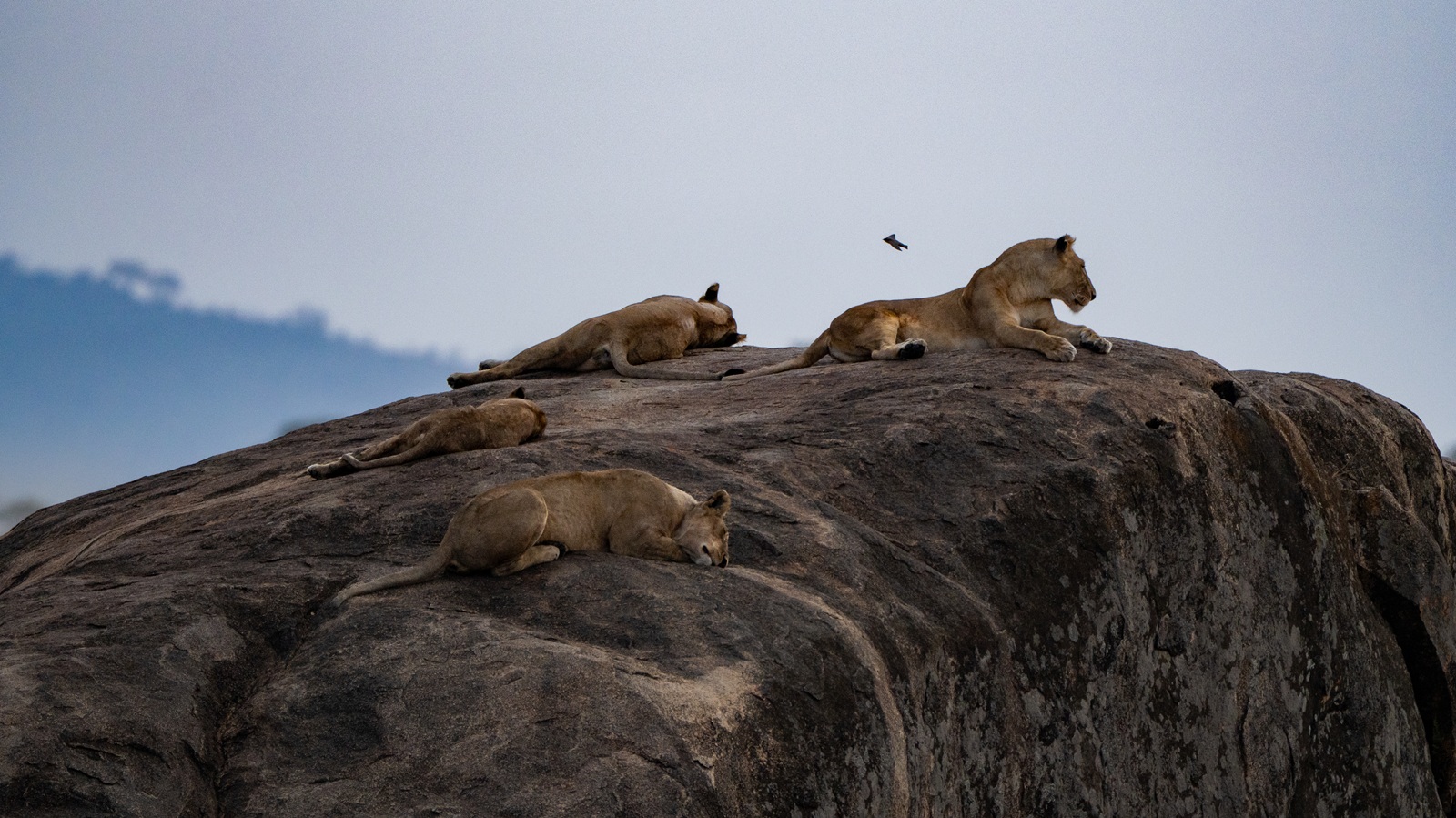
Once you leave the mountain, you can settle into a comfortable safari vehicle and let your guide take care of the navigation and game-drive planning. Instead of concentrating on your next step, you can spend your time looking across the plains for a lion resting under a tree, watching elephants feeding, or following a herd of wildebeest moving across the grasslands.
Combining the two creates a trip with a natural rhythm:
Challenge → Recovery → Wildlife → Relaxation
And for many visitors, that contrast is what makes the overall Tanzania experience so memorable.
How Many Days Do You Need?
There is no single perfect length for a Kilimanjaro and safari combination.
The right itinerary depends on your chosen mountain route, the number of safari parks you want to visit, your international flight schedule and how much time you have available.
As a general guide, I would recommend allowing at least 10–12 days if you want to experience both without making the trip feel rushed.
If you have two weeks or more, even better.
The additional days give you more flexibility to include extra safari nights, spend longer in the Serengeti or add Zanzibar at the end.
10–11 Days: Kilimanjaro + Short Safari
Travellers with limited vacation time can still combine the mountain and safari.
A typical itinerary might look something like:
Day 1: Arrive in Tanzania
Days 2–7: Kilimanjaro climb
Day 8: Return to Moshi and rest
Days 9–10: Short safari
Day 11: Departure
A short safari could focus on destinations such as Tarangire National Park and the Ngorongoro Conservation Area, depending on your flight schedule.
This type of itinerary is compact and active. It can work well for travellers who have limited annual leave, but it requires careful planning because there is very little spare time.
If you choose this option, I would avoid trying to visit too many parks simply because they appear close together on a map. Tanzania is much larger than it looks, and time spent driving between destinations is time that could otherwise be spent on game drives.
12–14 Days: Kilimanjaro + Northern Tanzania Safari
If you can stay for nearly two weeks, you have much more freedom.
For example:
Day 1: Arrival in Tanzania
Days 2–8: Kilimanjaro climb
Day 9: Rest in Moshi
Day 10: Tarangire National Park
Day 11: Ngorongoro
Days 12–13: Serengeti
Day 14: Return to Arusha and departure
This gives you a better balance between the physical challenge of Kilimanjaro and the wildlife experience.
You are also less likely to feel that you are constantly packing, unpacking and moving from one place to another. If the Serengeti is particularly important to you, I would rather see you spend two or three meaningful nights there than try to visit five different destinations in a very short period.
14–16+ Days: Kilimanjaro, Safari and More
Travellers with two weeks or more can build a much more relaxed Tanzania adventure.
You might combine:
- Mount Kilimanjaro
- Tarangire National Park
- Ngorongoro Crater
- Central Serengeti
- Northern Serengeti
- Arusha National Park
- Zanzibar
You do not need to visit every destination.
In fact, one of the biggest mistakes in safari planning is trying to collect too many national parks simply so they can be added to an itinerary.
A better approach is to choose the places that match what you actually want to experience.
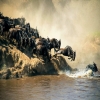
If your priority is the Great Migration, spend more time in Serengeti.
If elephants and baobab landscapes interest you, give Tarangire enough time.
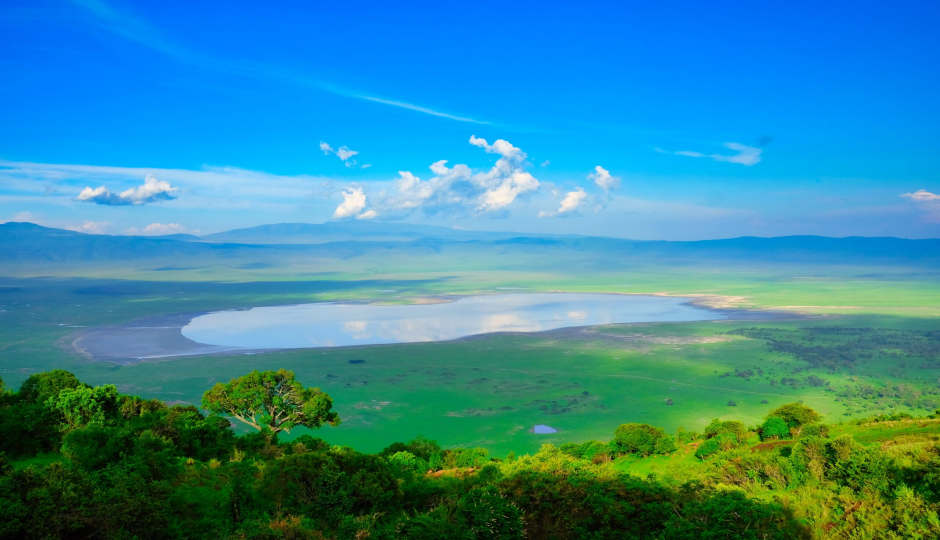
If you want dramatic scenery and a high concentration of wildlife, include Ngorongoro Crater.
If relaxation is important after the climb, consider ending your trip in Zanzibar.
Which Kilimanjaro Route Should You Choose?
Choosing your Kilimanjaro route is one of the most important decisions when planning a combined mountain and safari trip.
The route determines how many days you spend on the mountain, the scenery you experience and how your overall itinerary fits together.
There is no route that is automatically right for every traveller.
Machame Route
The Machame Route, sometimes called the “Whiskey Route,” is one of the most popular approaches to Kilimanjaro.
It is known for its beautiful scenery and varied landscapes, and it gives climbers the opportunity to experience several different sides of the mountain.
A 7-day Machame climb can work particularly well for a combined Kilimanjaro and safari holiday.
The extra day compared with shorter itineraries gives the climb more time to progress gradually, while still leaving enough days for a safari afterwards. For travellers who want a classic Kilimanjaro experience and have around two weeks in Tanzania, Machame is a route worth considering.
Lemosho Route
The Lemosho Route approaches Kilimanjaro from the western side and is generally planned over a longer itinerary.
One of its attractions is the scenery during the early part of the climb, when you travel through the western side of the mountain before joining the higher sections of the route.
A 7- or 8-day Lemosho climb can be particularly suitable for travellers who are not in a hurry and want to spend more time on the mountain.
When combined with safari, the additional mountain days should be considered when planning the entire holiday rather than treating the climb and safari as two completely separate bookings.
Marangu Route
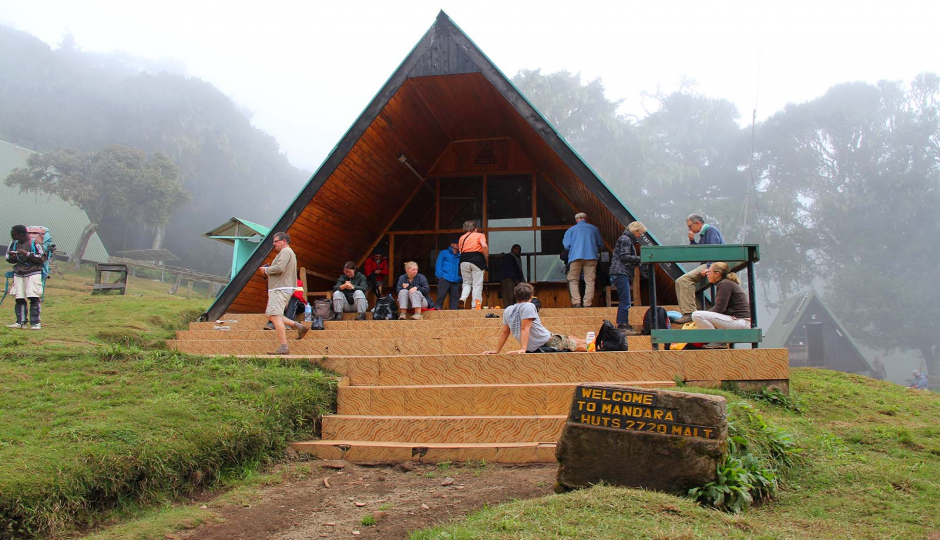
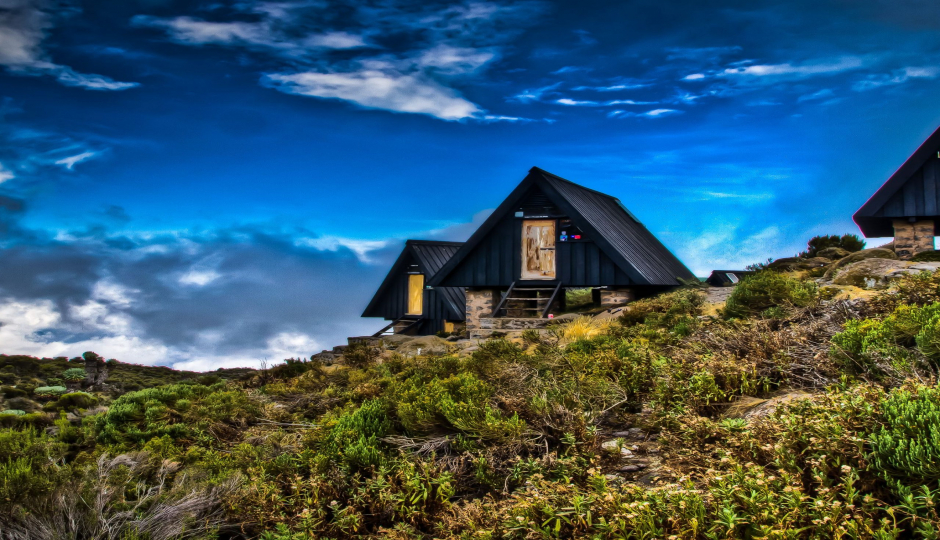
The Marangu Route is different from Machame and Lemosho because climbers sleep in mountain huts rather than tents. The route has a different character and is sometimes preferred by travellers who like the idea of hut accommodation.
Because it is generally planned over fewer days than some of the longer routes, it can also appeal to travellers with a tighter schedule.
However, when choosing a Kilimanjaro route, I would not recommend making the decision based solely on the number of days. Your ability to acclimatize and your overall comfort on the mountain are important considerations.
Northern Circuit
The Northern Circuit is the longest route on Kilimanjaro and spends more time exploring the quieter northern side of the mountain. It is particularly interesting for travellers who have plenty of time and want a longer mountain experience.
If you are planning a three-week Tanzania holiday, for example, the Northern Circuit can fit naturally into a larger itinerary that includes a substantial safari afterwards.
Should You Do Kilimanjaro Before or After Safari?
This is one of the questions we hear frequently.
For many travellers, Kilimanjaro first and safari afterwards is a very practical arrangement.
The reason is simple: Kilimanjaro is the physically demanding part of the trip.
After several days of trekking and a summit attempt, many climbers are ready for a change of pace.
Instead of waking up early to put on hiking boots and walk uphill, you can wake up, have breakfast and sit comfortably in a safari vehicle while your guide takes you into the national parks.
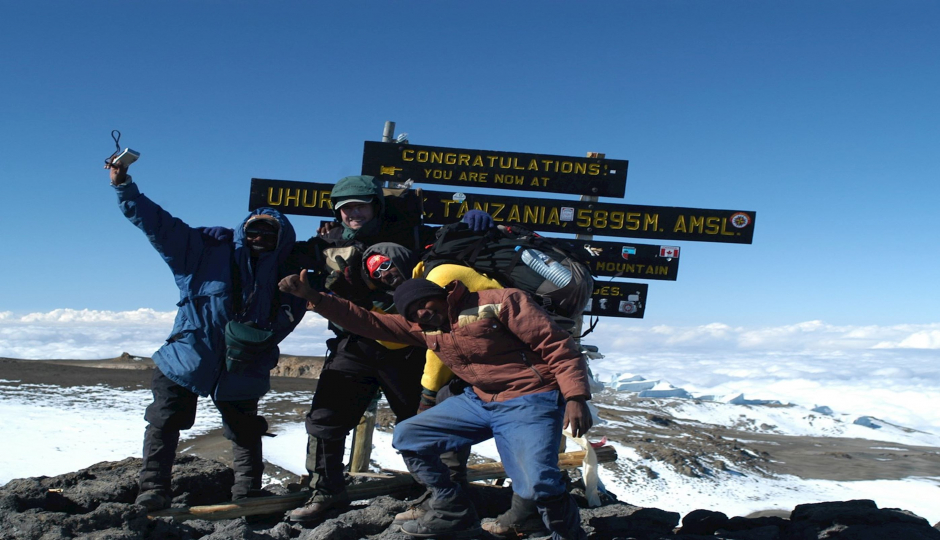
There is also something special about finishing a major physical challenge and then celebrating it with wildlife.
You reach the summit, return to Moshi, rest, and then begin a completely different Tanzanian experience.
That said, safari first is also possible.
Some travellers prefer to begin with a relaxed safari and then finish their holiday with Kilimanjaro. This can work well depending on flight schedules, personal preference and the purpose of the trip.
The important thing is that the entire itinerary is designed as one journey rather than simply putting two separate packages next to each other.
Why You Should Have a Rest Day Between Kilimanjaro and Safari
One of the things I would strongly recommend is allowing at least some recovery time between the mountain and safari.
After a Kilimanjaro summit, you may be physically tired even if you feel proud and excited about what you have accomplished.
A rest day in Moshi can give you the opportunity to:
- Sleep properly
- Enjoy a relaxed breakfast
- Have a massage
- Wash your hiking clothes
- Organize your luggage
- Review your safari plans
- Spend some quiet time in town
- Recover before long game drives
It is easy when planning a holiday to look at every empty day and think, “We can fit another activity there.” But a holiday should not feel like a military operation. Sometimes one of the best decisions you can make is leaving a day open.
Can You Combine Kilimanjaro With a Serengeti Safari?
Yes, and this is one of the most memorable combinations you can make in Tanzania.
Kilimanjaro gives you mountains, altitude and physical adventure.
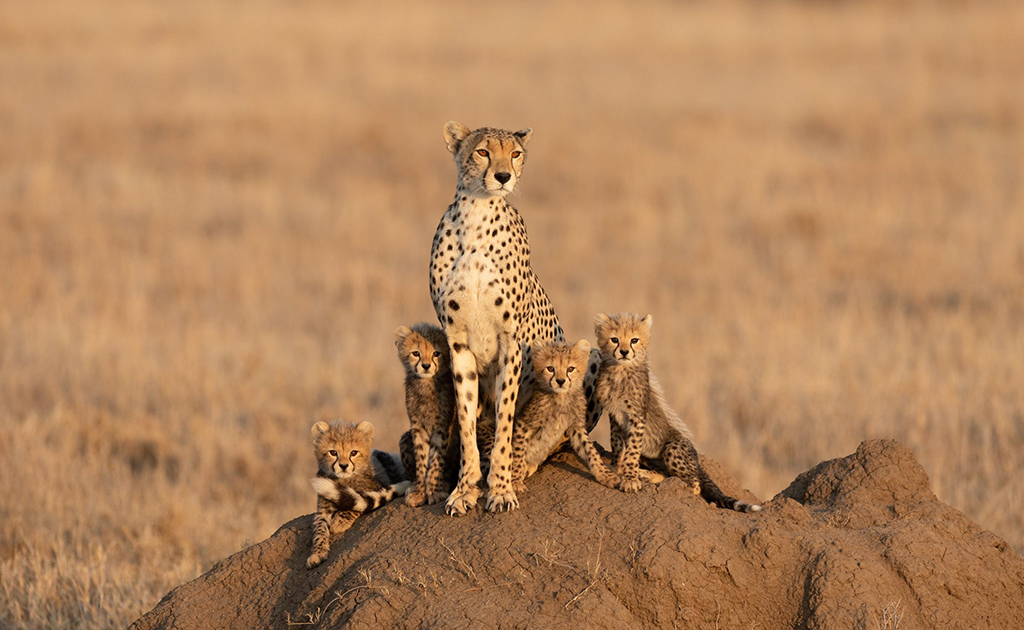
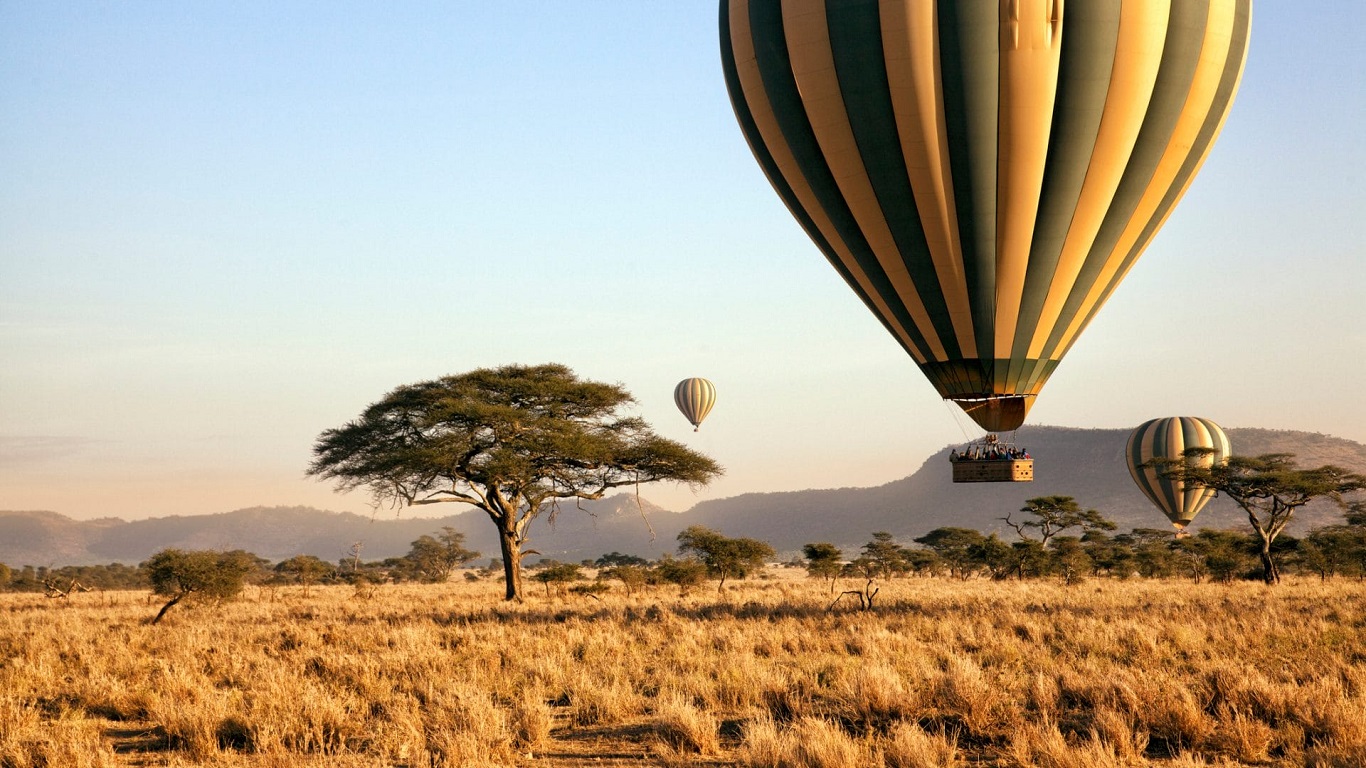
Serengeti gives you enormous open plains, predators, herbivores and some of Africa's most famous wildlife experiences.
The two destinations are also very different visually.
On the mountain, your surroundings change as you gain altitude.
In the Serengeti, the landscape opens up and wildlife becomes the focus. A longer itinerary could include Tarangire, Ngorongoro and Serengeti, giving you several different wildlife environments rather than visiting only one park.
If you are travelling during the Great Migration season, the itinerary can also be designed around the expected location of the herds.
What Does a Kilimanjaro and Safari Trip Cost?
There is no single price for a combined Kilimanjaro and safari holiday because there are many variables.
For Kilimanjaro, the cost is influenced by:
- Route
- Number of days
- Park and conservation fees
- Mountain crew
- Accommodation before and after the climb
- Meals
- Transfers
- Group size
The safari portion has its own variables:
- Number of safari days
- Number of travellers
- Safari vehicle
- Park fees
- Accommodation
- Camping or lodge safari
- Travel season
- Destinations included
This means two travellers can both spend ten days in Tanzania and have very different total trip costs.
For example, one traveller may choose a camping safari and a small-group climb, while another may choose a private safari staying in premium lodges. Rather than choosing a package simply because it has the lowest advertised price, it is useful to look at exactly what is included and how the itinerary has been designed.
Camping or Lodge Safari After Kilimanjaro?
This is another decision worth considering.
After several nights camping on the mountain, some travellers are perfectly happy to continue with a camping safari because they enjoy being close to nature and want to keep the trip more adventurous.
Others prefer to upgrade their accommodation after the climb.
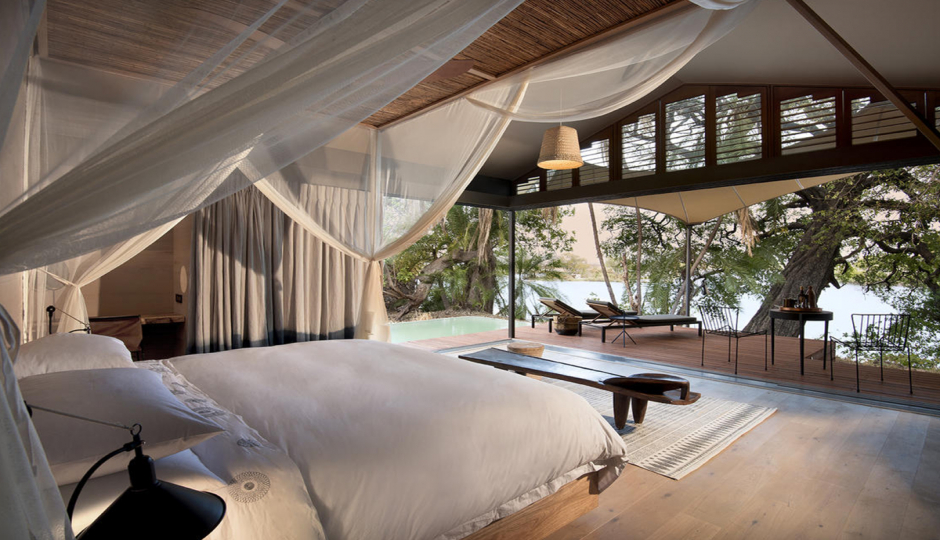
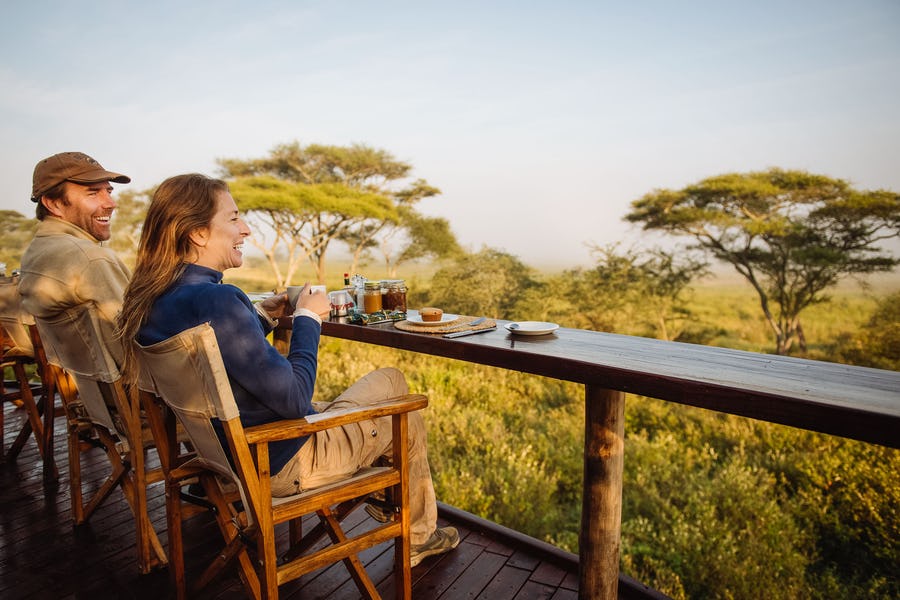
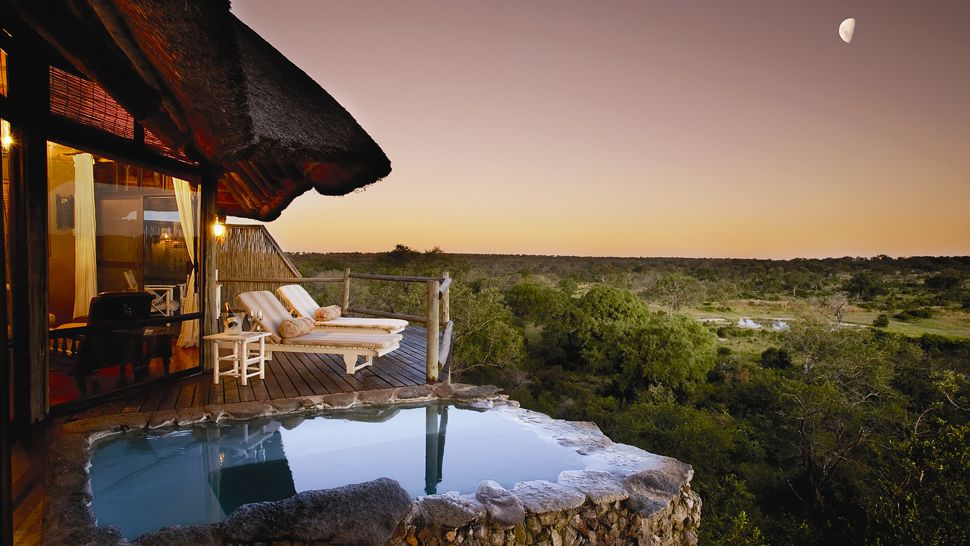
There is something very satisfying about finishing a demanding mountain trek and arriving at a comfortable lodge with a proper bed, hot shower and a quiet place to relax.
You can also mix the two.
For example, you could have a camping experience in Tarangire or Serengeti and then spend a night or two in a more comfortable lodge. There is no rule saying that your entire Tanzania trip has to follow one accommodation style.
What Should You Pack for a Combined Trip?
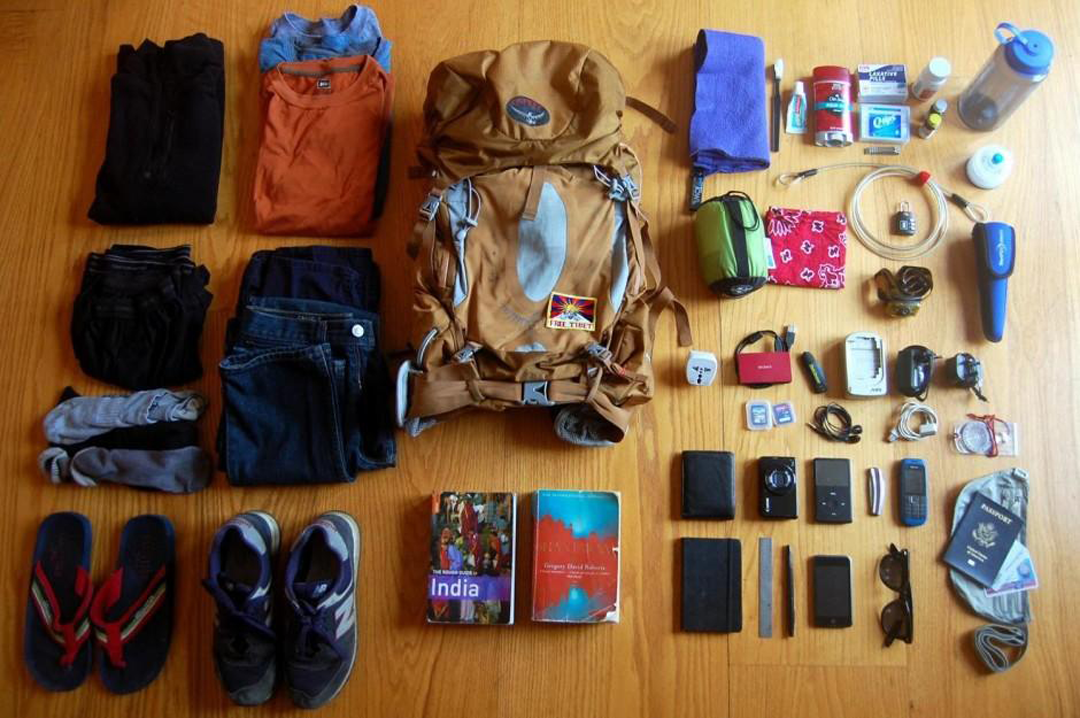
Packing for Kilimanjaro and safari requires a little more thought because the environments are completely different.
For Kilimanjaro, you need clothing and equipment suitable for everything from warm lower elevations to freezing summit conditions.
Your mountain packing list may include:
- Hiking boots
- Warm layers
- Thermal base layers
- Waterproof jacket and trousers
- Warm gloves
- Hat and beanie
- Hiking socks
- Headlamp
- Daypack
- Trekking poles
- Sunglasses
- Personal toiletries
Safari requires a much lighter and more practical approach.
You will want:
- Comfortable lightweight clothing
- Long trousers
- T-shirts
- Light jacket or fleece
- Sun hat
- Sunglasses
- Sunscreen
- Insect repellent
- Camera
- Binoculars
- Comfortable shoes
- Small daypack
Fortunately, you do not need to carry all of your mountain equipment around with you during the safari. With proper planning, your luggage can be organized so that you only carry what you need for each stage of the trip.
What About Adding Zanzibar?
If your schedule allows, Zanzibar can be an excellent final chapter to a Kilimanjaro and safari holiday.
This creates one of Tanzania's most popular combinations:
Mountain → Safari → Beach
You begin with the challenge of climbing Kilimanjaro.
Then you spend several days exploring Tanzania's wildlife areas.
Finally, you fly or travel to Zanzibar for a few days of relaxation along the Indian Ocean.
For example:
- 7 days Kilimanjaro
- 5 days safari
- 4 days Zanzibar
This gives you three very different experiences without needing to travel to several different countries.
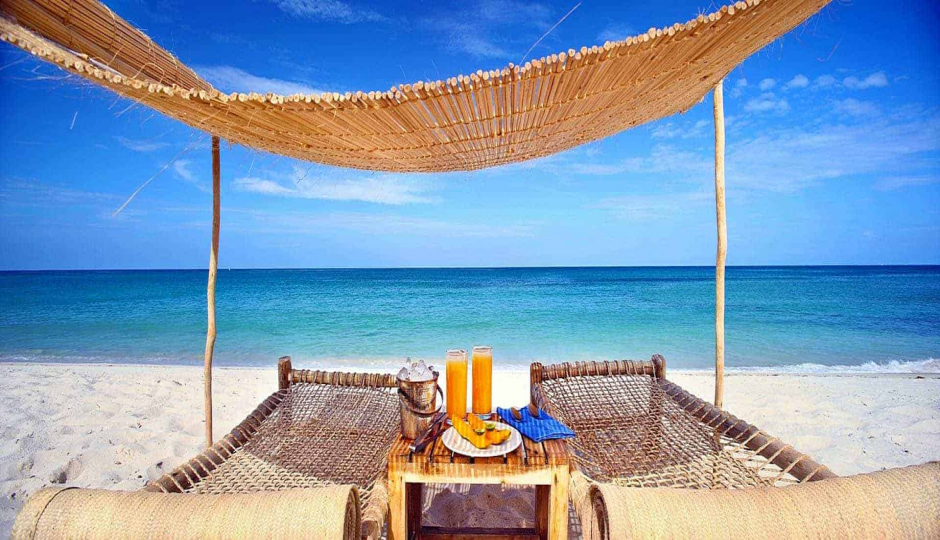
Zanzibar can also be particularly appealing after a physically demanding climb because the pace can be completely different. Instead of worrying about altitude, walking schedules and summit mornings, you can spend your final days enjoying the coastline, exploring Stone Town or simply relaxing by the beach.
A Sample Two-Week Tanzania Adventure
Here is one example of how a two-week trip could be structured:
Day 1 — Arrival in Tanzania
Arrive at Kilimanjaro International Airport and transfer to Moshi.
Use the evening to settle in, meet your team and prepare for the climb.
Day 2 — Machame Gate to Machame Camp
Begin your Kilimanjaro climb through the rainforest.
The lower slopes are often lush and green, with the vegetation gradually changing as you gain altitude.
Day 3 — Machame Camp to Shira Camp
Continue climbing toward the Shira Plateau.
The landscape becomes more open as you leave the dense rainforest behind.
Day 4 — Shira to Barranco Camp
This is a beautiful section of the mountain, with dramatic views of Kilimanjaro's higher slopes.
Day 5 — Barranco to Karanga Camp
After tackling the Barranco Wall, continue toward Karanga.
The day is about steady progress rather than speed.
Day 6 — Karanga to Barafu Camp
Move toward the high camp where you prepare for the summit attempt.
The atmosphere changes as you enter the high-altitude environment.
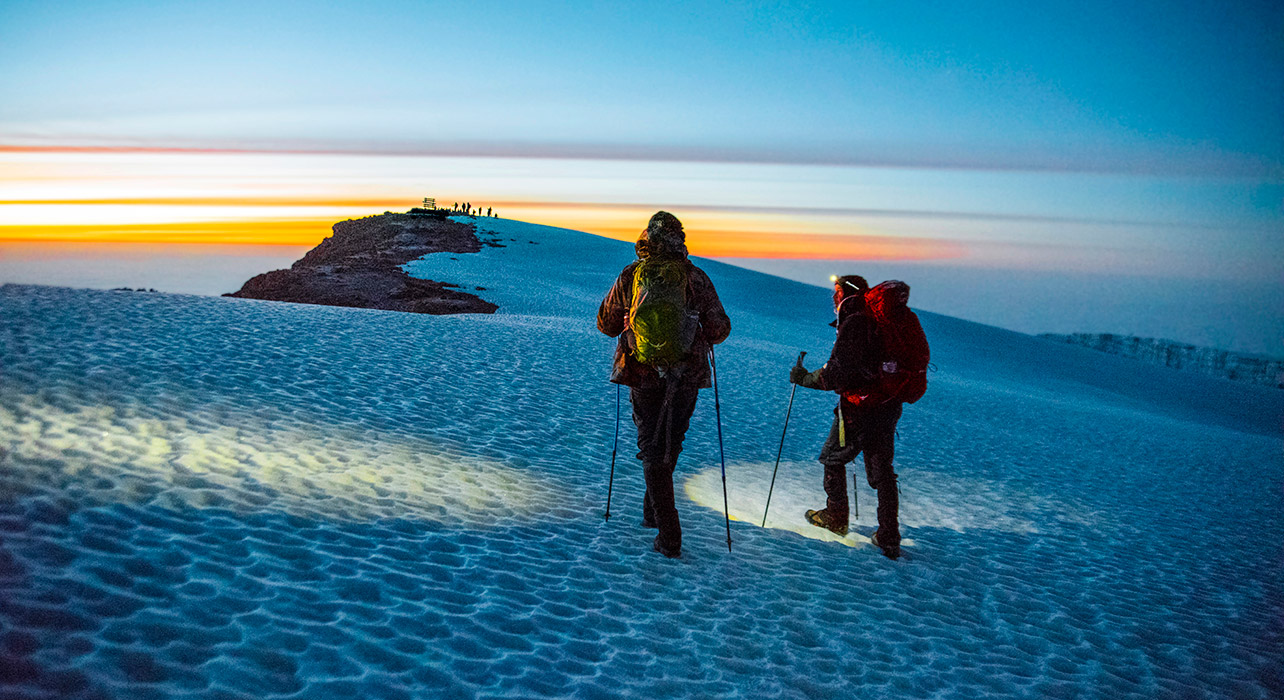
Day 7 — Summit Attempt and Descent
Wake during the night and begin the summit attempt.
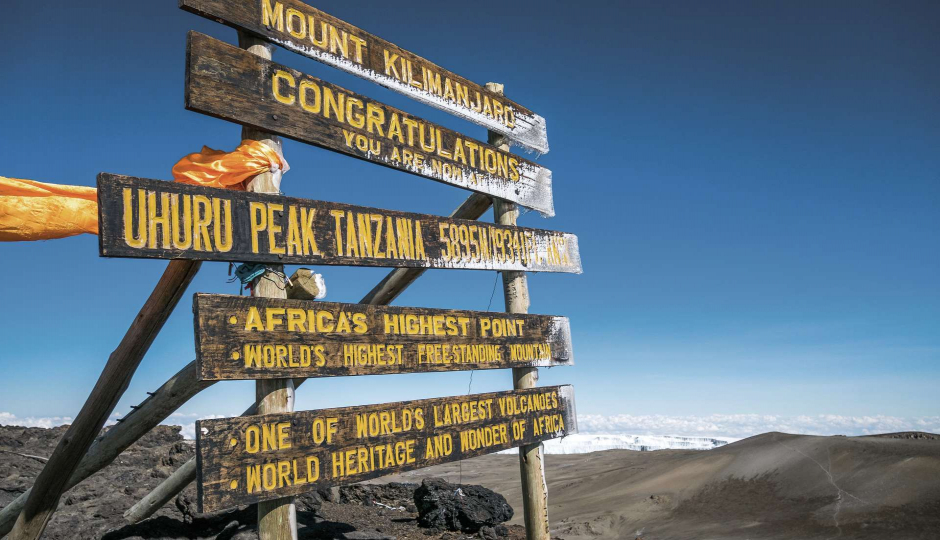
The goal is to reach Uhuru Peak, the highest point of Mount Kilimanjaro.
After spending some time at the summit, descend to lower altitude.
Day 8 — Complete Descent and Return to Moshi
Finish the descent and return to Moshi for a proper shower, comfortable bed and well-earned rest.
Day 9 — Recovery Day
Take the day slowly.
Enjoy Moshi, recover from the climb and prepare for the safari.
Day 10 — Moshi to Tarangire
Start the safari with a game drive in Tarangire National Park.
Tarangire is particularly known for its elephants, baobab trees and diverse wildlife.
Day 11 — Tarangire to Ngorongoro
Continue toward the Ngorongoro Conservation Area.
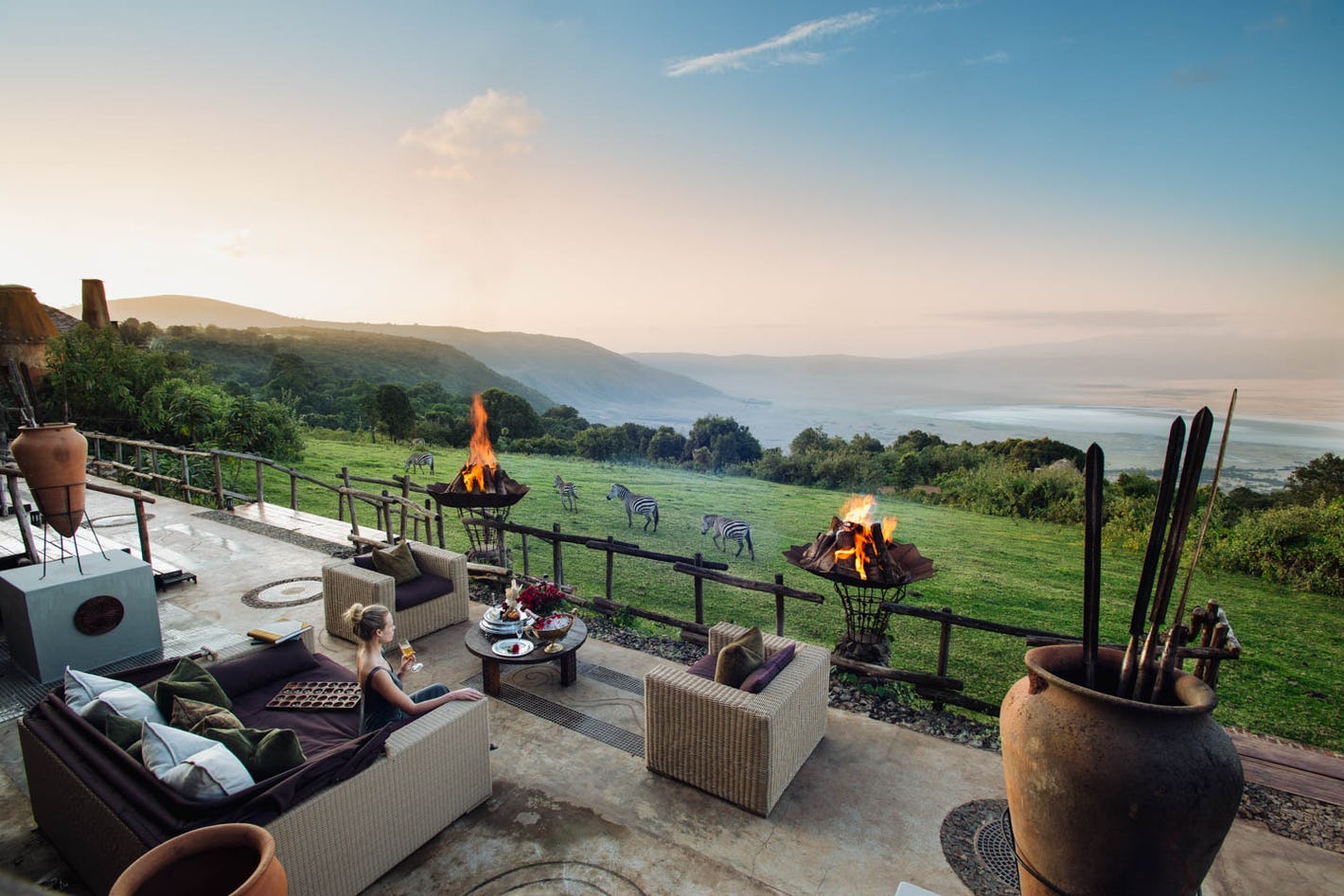
Depending on the itinerary, you can enjoy wildlife viewing along the way and stay near the crater rim.
Day 12 — Ngorongoro Crater to Serengeti
Descend into the Ngorongoro Crater for a game drive before continuing toward the Serengeti.
The landscape changes dramatically as you leave the crater highlands and enter the open plains.
Day 13 — Full-Day Serengeti Safari
Spend a full day exploring the Serengeti.
This gives your guide flexibility to search for wildlife without spending the day transferring between destinations.
Day 14 — Serengeti to Arusha / Departure
Depending on your flight schedule, return to Arusha or connect with your onward journey.
For travellers with additional time, we would recommend adding more nights in Serengeti rather than rushing back.
How to Make the Trip More Comfortable
The secret to a successful combined trip is not simply adding more destinations.
It is giving each part of the journey enough time.
If you have seven days for Kilimanjaro and only three days for safari, that can work.
If you have seven days for Kilimanjaro and seven days for safari, the experience becomes considerably more relaxed.
If you have fourteen or more days available, you can start thinking about adding Northern Serengeti or Zanzibar.
It is also worth considering what you want to remember when you return home.
Do you want to say:
“We visited seven places in twelve days.”
Or would you rather say:
“We stood on the roof of Africa, watched elephants in Tarangire, explored Ngorongoro Crater and spent a full day following wildlife across the Serengeti.”
The second approach usually makes for a much better travel story.
Why Book Kilimanjaro and Safari With One Local Operator?
When your mountain climb and safari are organized separately, you may end up coordinating different companies, transfers and schedules yourself.
Working with one local operator can make the transition much simpler.
The same team can coordinate:
- Airport transfers
- Moshi accommodation
- Kilimanjaro logistics
- Mountain transfers
- Recovery day
- Safari vehicle
- Safari guide
- Park permits and fees
- Accommodation
- Airport or onward transfers
It also means that your itinerary can be planned as one complete journey from the beginning.
At Lindo Travel & Tours, we are a Tanzania-owned local tour operator offering both Kilimanjaro climbs and Tanzania safaris.
Our team works with professional mountain crews, safari guides and drivers to organize trips around each traveller's schedule, interests and preferred level of accommodation.
Whether you want a 7-day Machame climb followed by a short safari, a longer Lemosho climb followed by the Serengeti, or a complete mountain, safari and Zanzibar holiday, the itinerary can be built around the experience you want.
Final Thoughts
Combining Kilimanjaro and a Tanzania safari allows you to experience two completely different sides of Tanzania in one journey.
You can spend your first days challenging yourself on Africa's highest mountain, walking through forests, moorlands and high-altitude landscapes before reaching the summit.
Then you can come down, rest, and trade your hiking boots for a safari vehicle.
From the elephants and baobabs of Tarangire to the dramatic Ngorongoro Crater and the vast plains of the Serengeti, the second half of your journey becomes a completely different kind of adventure.
And if you have additional time, you can finish on the beaches of Zanzibar.
The most important thing is to resist the temptation to put too much into too few days.
Give yourself enough time to acclimatize on Kilimanjaro, recover after the summit and enjoy the safari without constantly watching the clock.
After all, you have travelled all the way to Tanzania.
There is no need to rush.
Ready to Combine Kilimanjaro and Safari?
If you are planning to climb Mount Kilimanjaro and experience a Tanzania safari during the same trip, Lindo Travel & Tours can help you put the two experiences together.
Tell us your travel dates, number of travellers, preferred Kilimanjaro route and how many days you have available, and our Tanzania-based team can create an itinerary that combines the mountain and wildlife at a pace that works for you.
Lindo Travel & Tours
Tanzania-owned. Locally operated. Guided by people who know Tanzania.




 CHAT ON WHATSAPP