Learn everything you need to know about a Tanzania safari, from the best national parks and wildlife to the ideal time to visit, safari types, accommodation options, travel tips, and what to expect on your unforgettable African adventure.
Back
Tanzania Safari Types
Explore the different types of Tanzania safaris to find the perfect adventure for your travel style. Learn about luxury safaris, budget camping safaris, family holidays, honeymoon escapes, photographic safaris, walking safaris, fly-in safaris, and private tailor-made experiences across Tanzania's breathtaking wilderness.
Back
Tanzania Safari Planning Guide
Plan your perfect Tanzania safari with expert travel advice and practical planning guides. Learn about the best time to visit, choosing the right itinerary, budgeting, accommodation options, park fees, transportation, visas, health tips, and everything you need for a smooth and unforgettable safari experience.
Back
Tanzania Safari Packages
Explore our Tanzania safari packages designed to showcase the best of Africa's wildlife, landscapes, and cultures. Discover carefully planned safari itineraries, from classic Northern Circuit adventures to private, luxury, family, and budget-friendly experiences covering Serengeti, Ngorongoro Crater, Tarangire, and other iconic destinations.
Back
Tanzania Safari Top Destinations
Explore Tanzania's top safari destinations, from the endless plains of the Serengeti and the wildlife-rich Ngorongoro Crater to Tarangire, Lake Manyara, Ruaha, Nyerere National Park, and beyond. Discover what makes each destination unique, the best time to visit, and the unforgettable experiences waiting in every corner of Tanzania.
Back
Tanzania Safari Experiences
Discover the unforgettable Tanzania safari experiences that bring Africa's wilderness to life. Learn about game drives, the Great Migration, hot air balloon safaris, walking safaris, cultural visits, birdwatching, chimpanzee trekking, night game drives, and other unique adventures that make every safari truly memorable.
Back
Tanzania National Parks
Discover Tanzania's national parks, home to some of Africa's most spectacular wildlife and landscapes. Learn about iconic parks such as Serengeti, Ngorongoro, Tarangire, Lake Manyara, Arusha, Ruaha, Nyerere, Katavi, and more, including their unique attractions, wildlife, and the best times to visit.
Back
Tanzania Safari Packing List
Prepare for your adventure with our Tanzania Safari Packing List, featuring essential clothing, travel gear, health items, photography equipment, and practical packing tips. Learn what to bring for every season to stay comfortable, safe, and ready for an unforgettable wildlife safari.
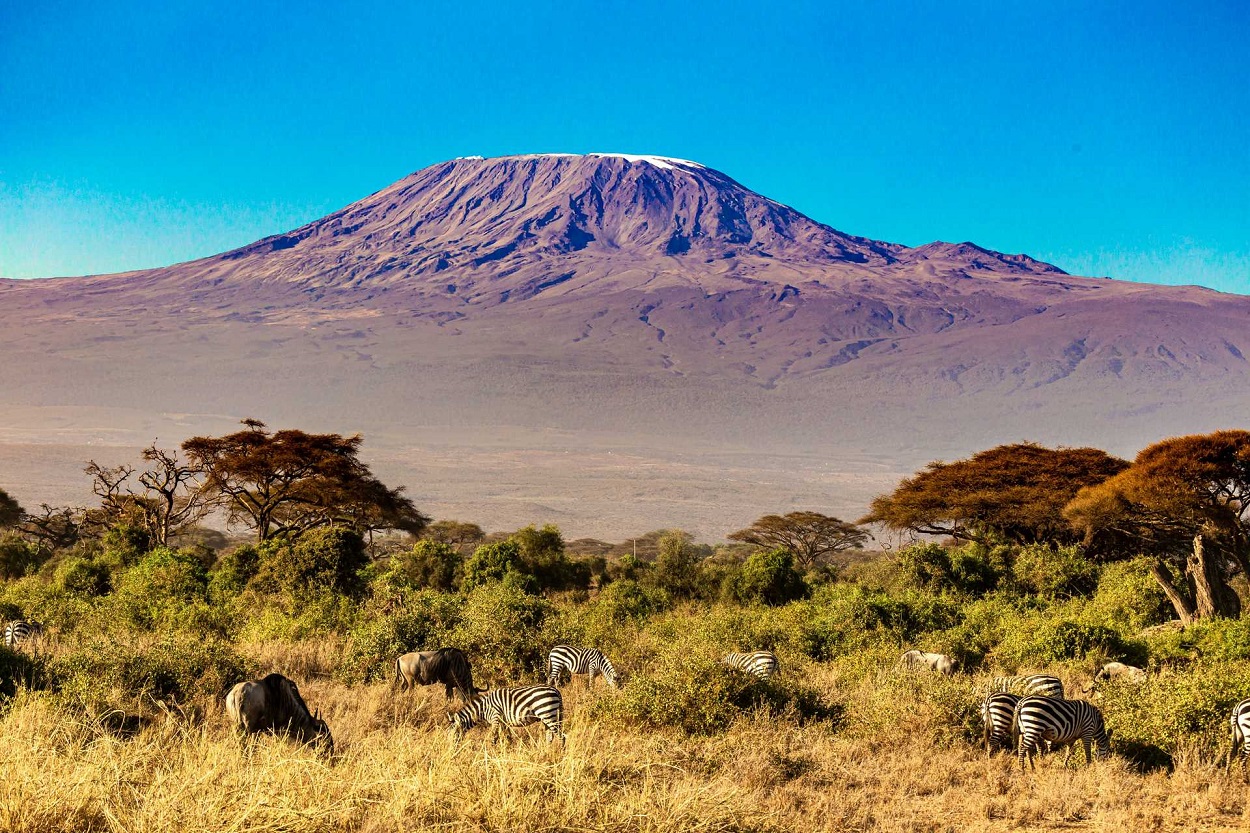
Discover everything you need to know about Mount Kilimanjaro, Africa's highest peak and one of the world's most iconic trekking destinations. Explore climbing routes, success tips, altitude information, best times to climb, packing advice, and expert insights to help you prepare for an unforgettable summit adventure.
Back
Mount Meru
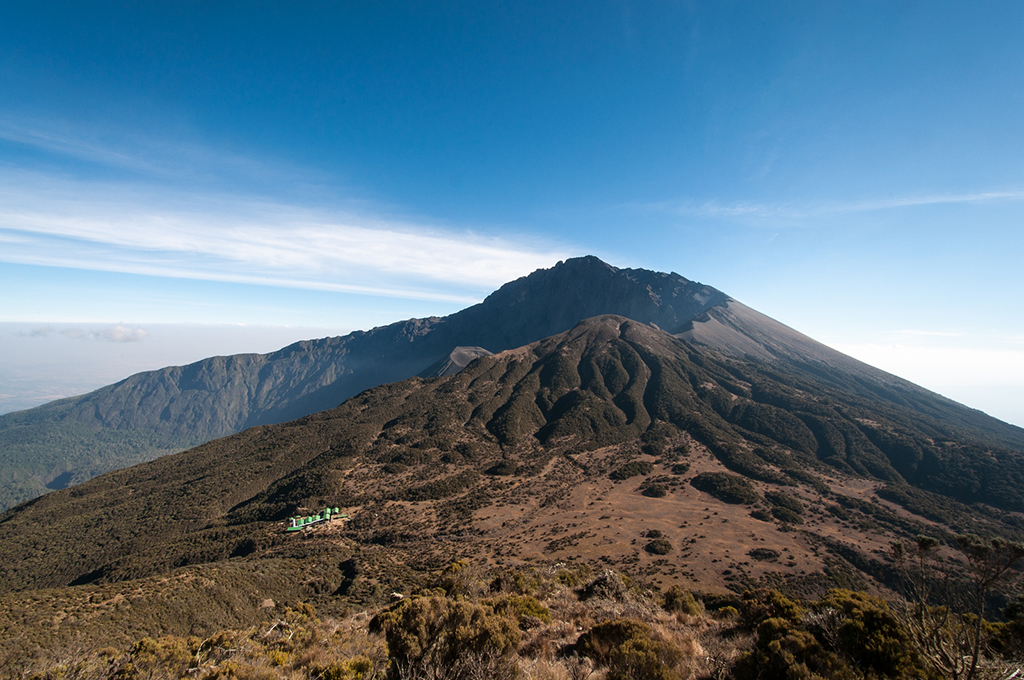
Explore Mount Meru, Tanzania's second-highest mountain and one of Africa's most rewarding trekking destinations. Learn about climbing routes, wildlife encounters, park regulations, best times to hike, and expert tips for planning an unforgettable adventure in Arusha National Park.
Back
Mount Oldonyo Lengai
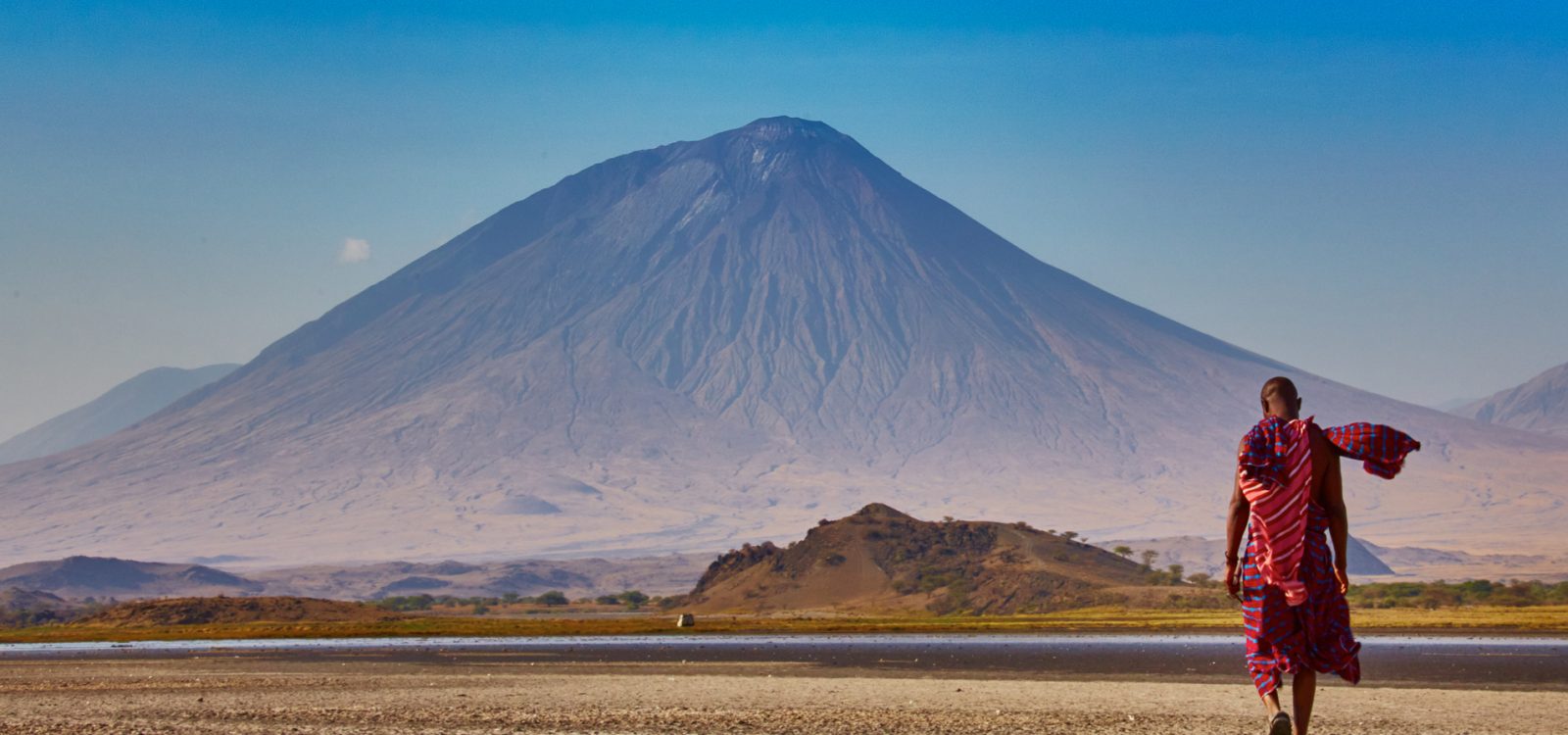
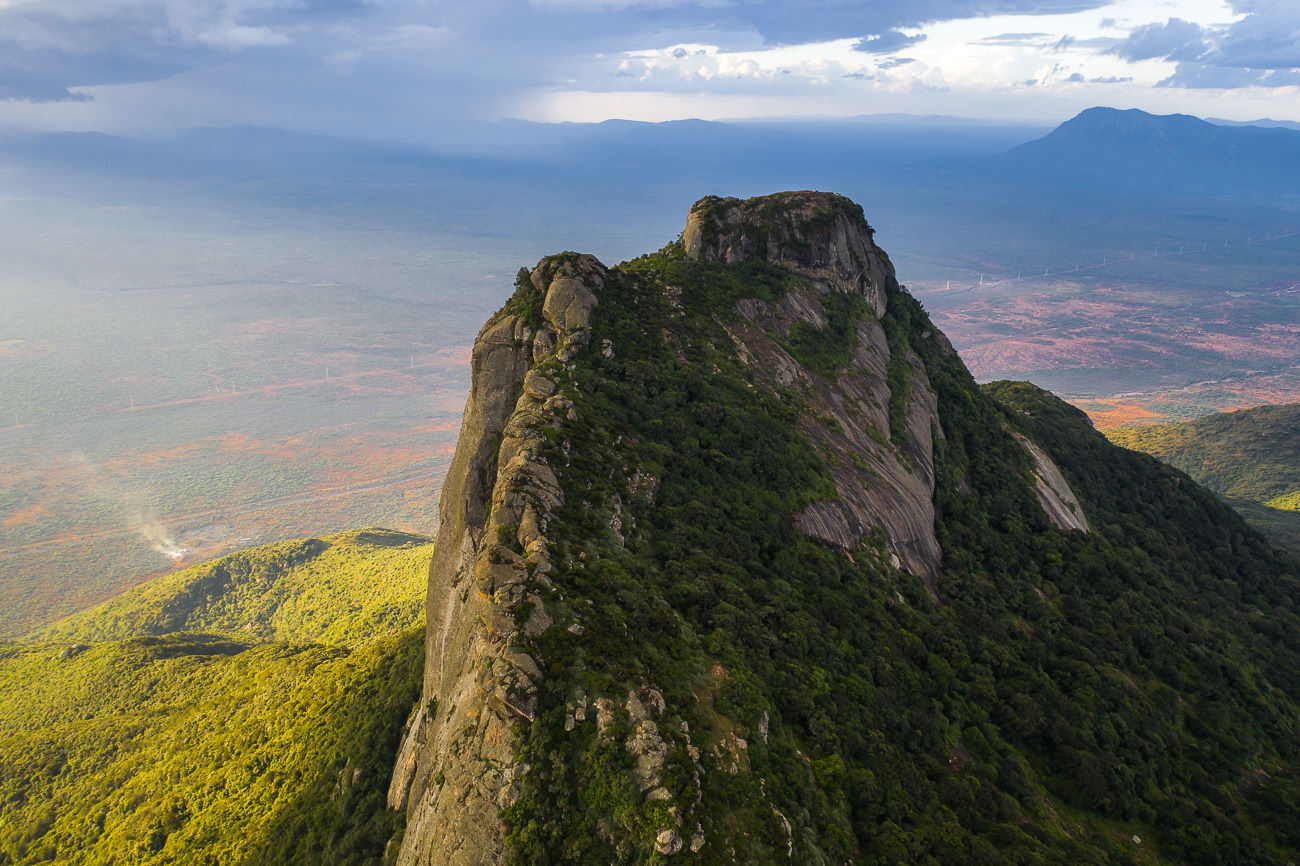
Discover Ol Doinyo Lengai, the legendary "Mountain of God" and the world's only active volcano that erupts carbonatite lava. Learn about the challenging climb, volcanic landscape, Maasai cultural significance, the best time to visit, and what to expect on this extraordinary adventure in northern Tanzania.
Back
Mount Hanang
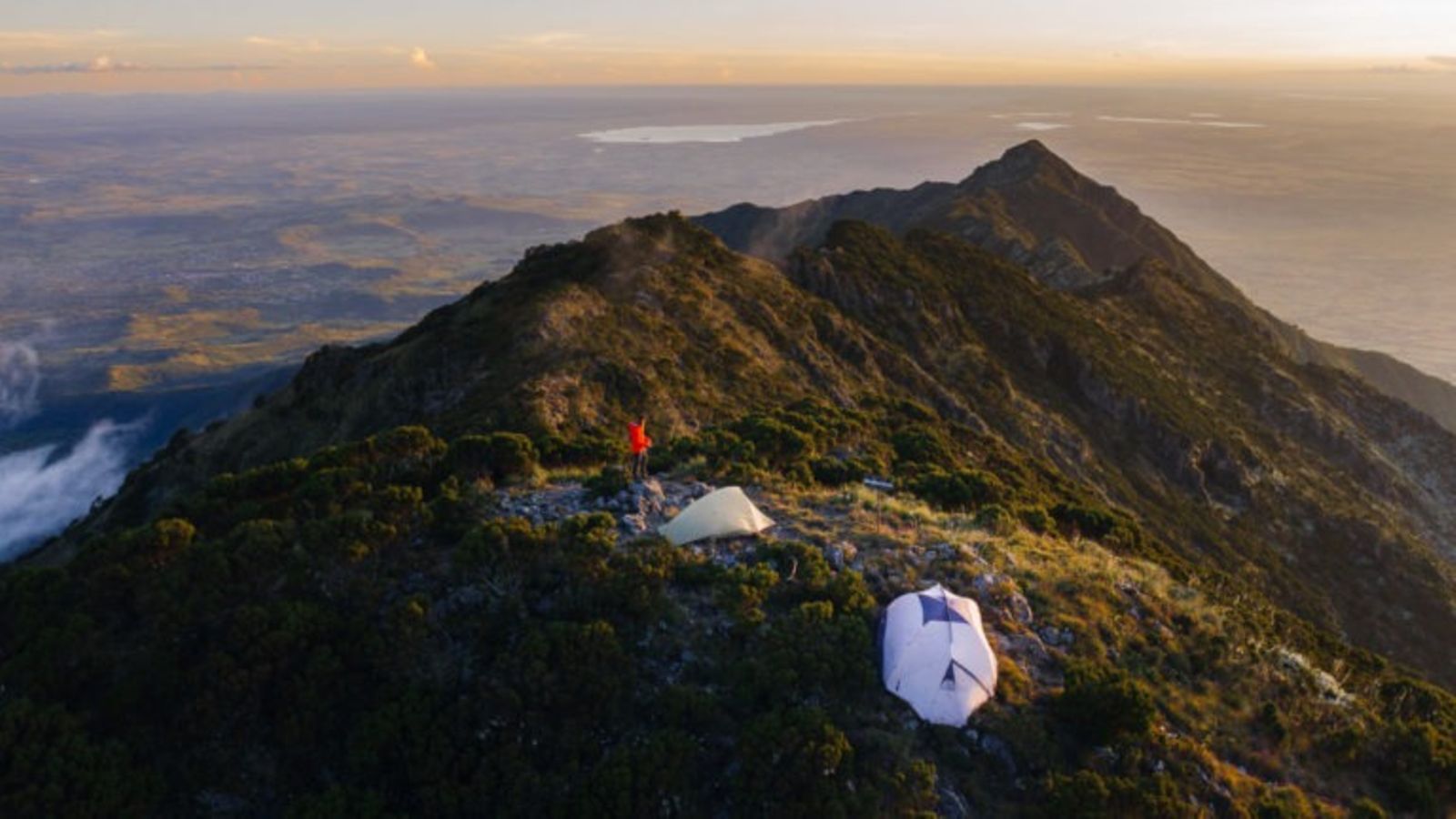
Explore Mount Hanang, Tanzania's fourth-highest mountain and a spectacular off-the-beaten-path trekking destination. Learn about the hiking routes, breathtaking summit views, unique landscapes, local Barabaig culture, wildlife, best time to climb, and everything you need to know for an unforgettable mountain adventure in northern Tanzania.
Back
Mount Longido
Discover Mount Longido, a hidden trekking gem in northern Tanzania offering scenic forest trails, panoramic views of Mount Kilimanjaro and the surrounding plains, abundant birdlife, and authentic Maasai cultural experiences. Learn about the hiking route, best time to visit, and what to expect on this rewarding off-the-beaten-path adventure.
Back
Usambara Mountains
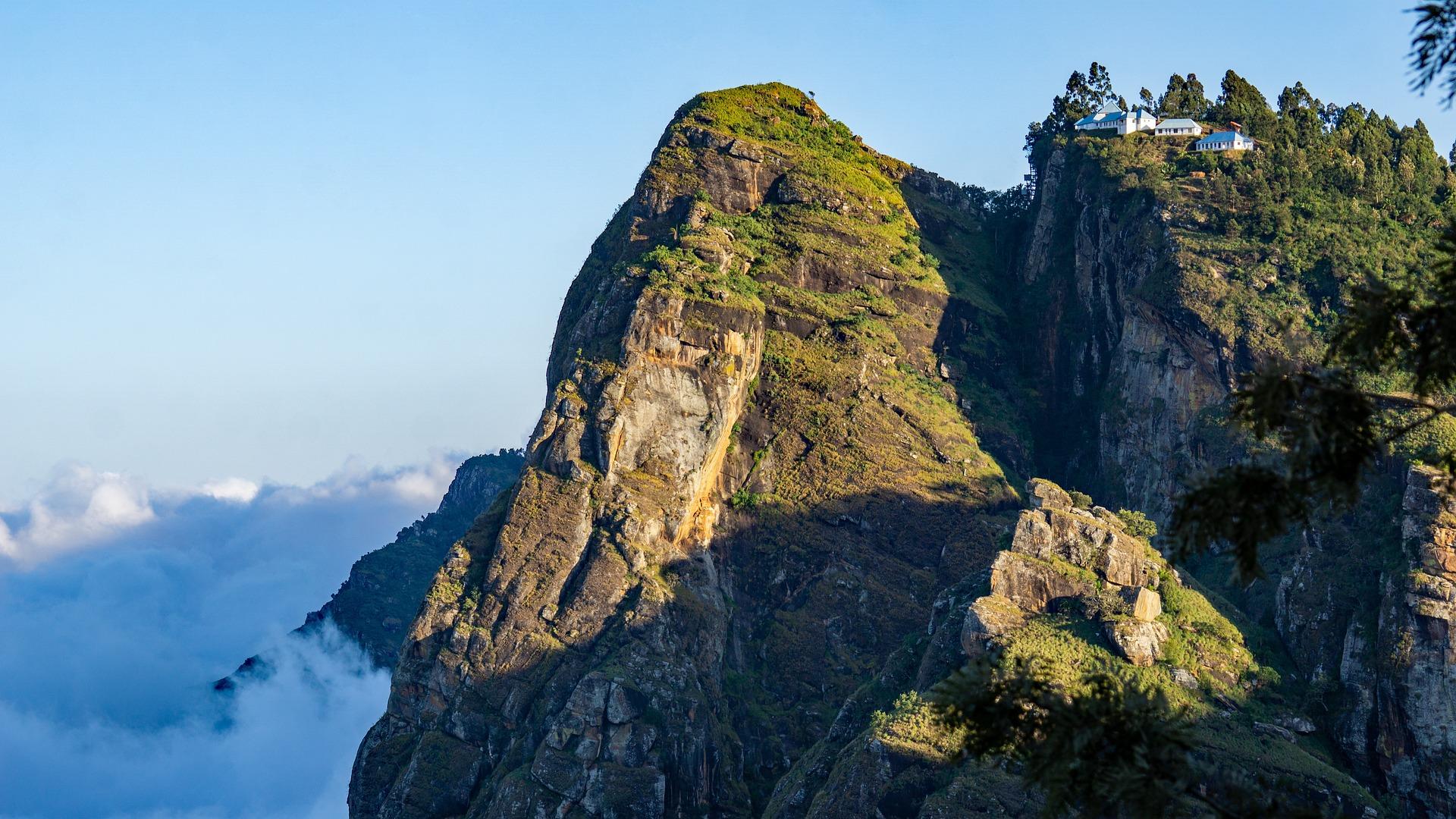
Discover the Usambara Mountains, one of Tanzania's most beautiful highland regions known for lush forests, scenic hiking trails, charming villages, rich biodiversity, and breathtaking viewpoints. Learn about trekking routes, cultural experiences, birdwatching, historical sites, the best time to visit, and how to explore this peaceful mountain paradise in northern Tanzania.
Back
Kilimanjaro Climbing
Challenge yourself to reach the Roof of Africa with our expertly guided Mount Kilimanjaro climbing adventures. Explore the best routes, flexible itineraries, and carefully planned expeditions designed to maximize your summit success while ensuring your safety and comfort every step of the way.
Back
Kilimanjaro Group Join Climbing
Join a small group of fellow adventurers and climb Mount Kilimanjaro together. Our group join climbs offer an affordable and social way to experience Africa’s highest mountain, with experienced guides, carefully planned routes, and a strong focus on safety and success.
Discover the best of Tanzania with our day tours, designed for travelers who want to experience wildlife, culture, nature, and local attractions in a limited time. From Arusha day trips and wildlife safaris to cultural experiences and scenic excursions, our carefully planned Tanzania day tours offer memorable adventures with professional local guides and reliable transport.
Back
1-Day Materuni Waterfalls and Coffee Tour
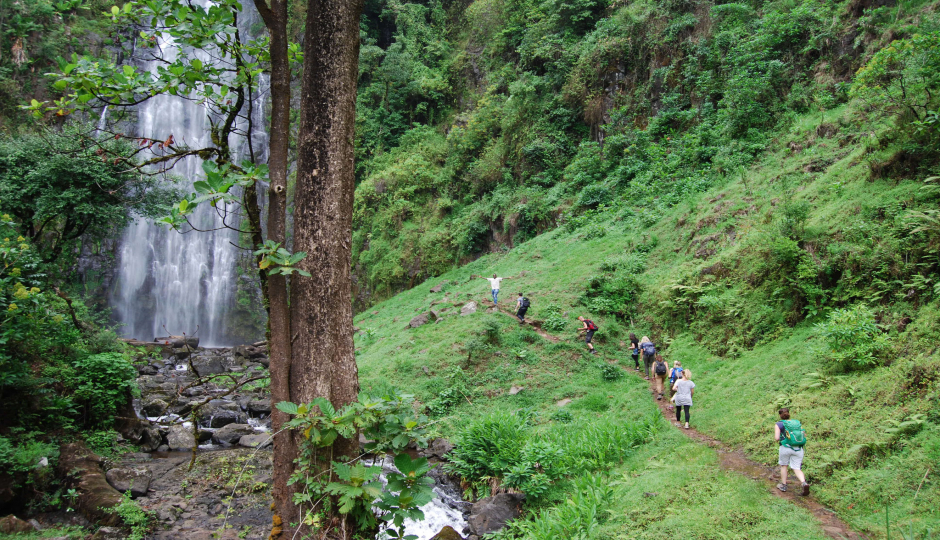
Discover the hidden beauty of Materuni Waterfalls and immerse yourself in Tanzania’s vibrant culture on this enriching day trip. Nestled in the lush foothills of Mount Kilimanjaro, Materuni offers a stunning escape into nature combined with a fasci...
Back
Walking Tour in Arusha National Park Day Trip
Walk freely alongside the wildlife of Tanzania and visit unique sights. A great way to start your Safari Experience. At the foot of Mount Meru lies Arusha National Park. A beautiful park, famous for its green surroundings, lakes, unique sights, and i...
Back
Kikuletwa Hot Springs Day Trip: A Hidden Oasis in Tanzania
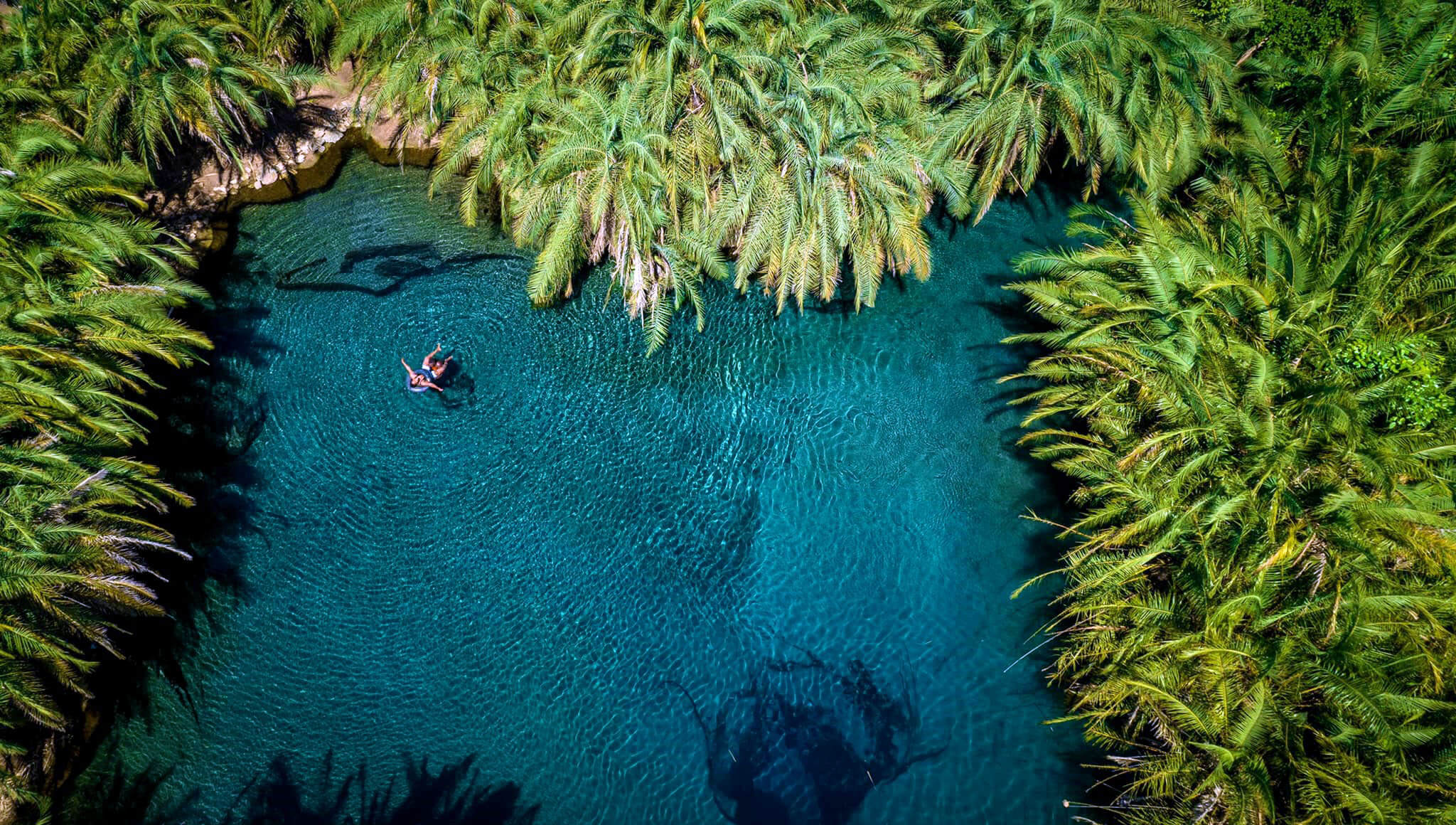
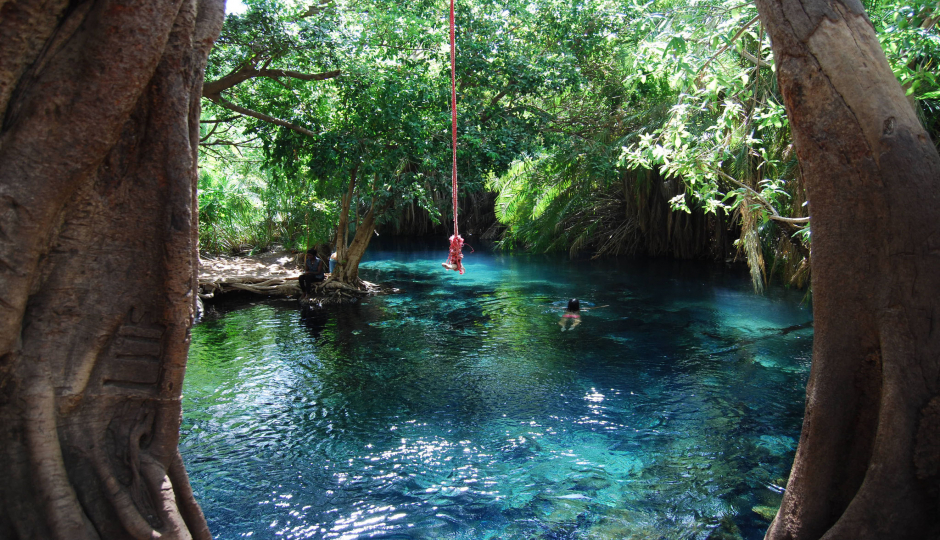
Escape to one of Tanzania’s most tranquil natural wonders on a Kikuletwa Hot Springs day trip. Located in the heart of the African savannah, these crystal-clear, turquoise waters offer a serene oasis surrounded by lush vegetation, perfect for relax...
Back
Olpopongi Maasai Village Day Trip
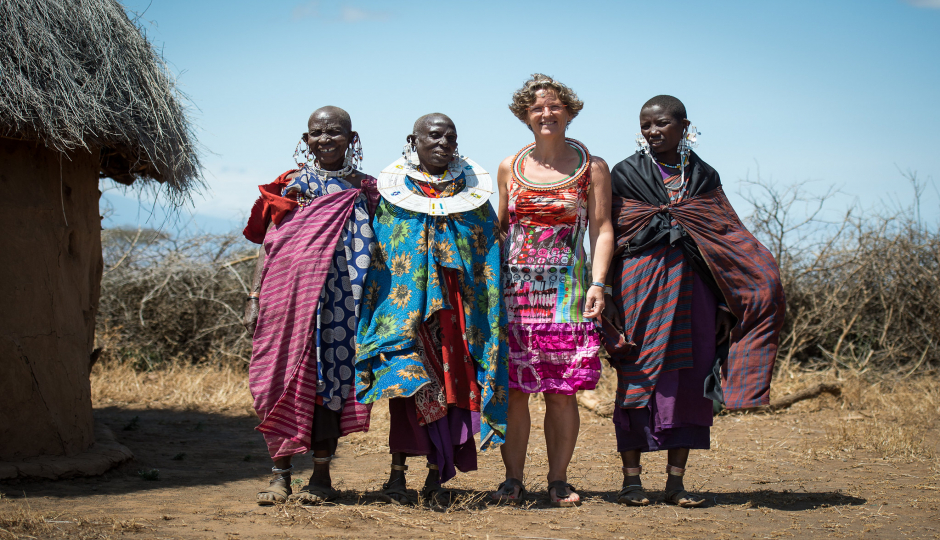
Olpopongi Maasai Village provides a unique Maasai and wildlife experience in the West Kilimanjaro Maasai land just 74 km from Moshi town. In a day, you will be able to share the authentic Maasai life and culture in a traditionally built village (Boma...
Back
Lake Chala Day Trip: Explore Tanzania's Hidden Gem
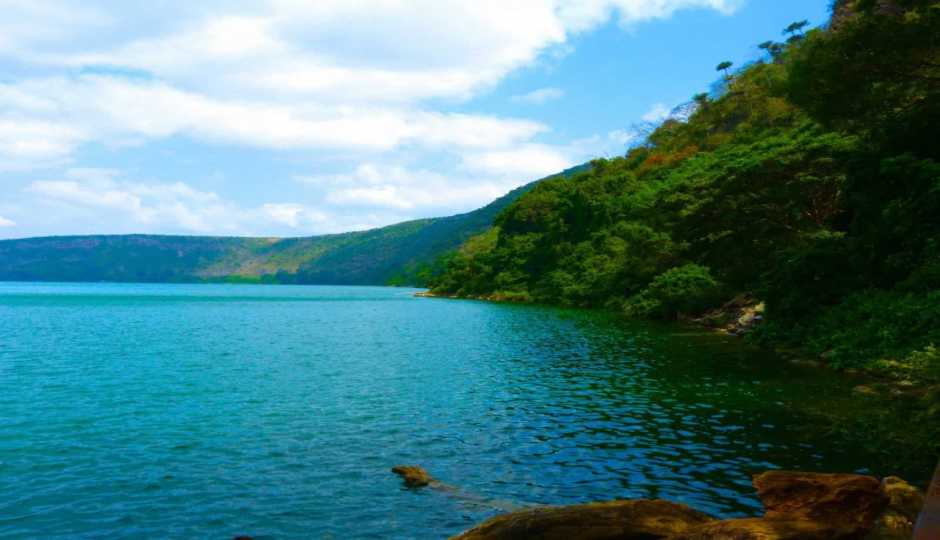
Discover the stunning beauty of one of Tanzania's most serene and less-traveled destinations on a Lake Chala day trip. Nestled on the border of Tanzania and Kenya, Lake Chala is a breathtaking crater lake surrounded by lush landscapes, offering an es...
Back
Kilimanjaro Day Hike: Day Tour Adventure
Experience the thrill of a Mount Kilimanjaro hike on this unforgettable day trip, perfect for adventurers eager to explore the beauty of Africa’s highest peak without committing to a multi-day climb. This guided journey takes you through the lush r...
Back
Uru Shimbwe Coffee Day Tour
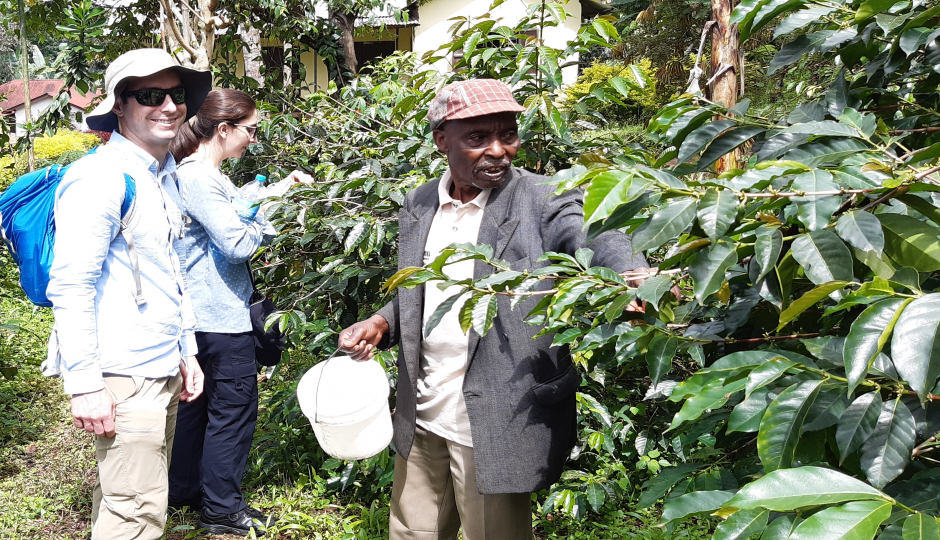
Spent a great day at Uru Shimbwe where you will learn about harvesting, preparing, and enjoy drinking a cup of organic coffee. Uru Shimbwe is located 16 km and it takes about 30 minutes from Moshi town at the foothills of Mount Kilimanjaro.
Back
Ngorongoro Crater Day Trip: Explore the Jewel of Tanzania
Experience one of Tanzania’s most iconic safari destinations on a Ngorongoro Crater day trip. Known as the Eighth Wonder of the World, the Ngorongoro Crater is a UNESCO World Heritage Site famous for its dramatic volcanic landscape and dense wildli...
Back
Tarangire Day Trip: Explore the Beauty of Tarangire National Park
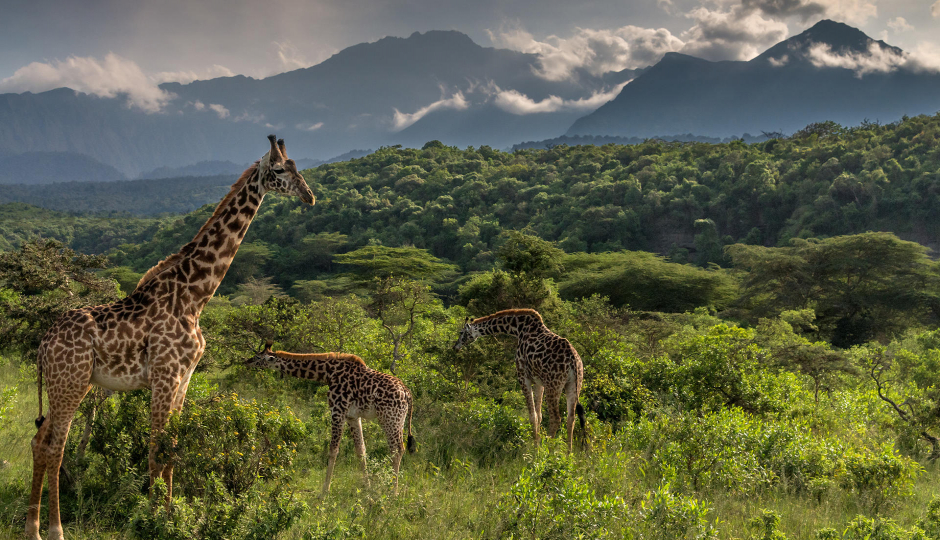
Embark on an unforgettable Tarangire Day Trip and experience one of Tanzania's most spectacular national parks, Tarangire National Park. Known for its large elephant herds and iconic baobab trees, Tarangire offers a unique and immersive wildlife expe...
Lindo Travel & Tours is a trusted local Tanzania tour operator specializing in safari adventures, Mount Kilimanjaro climbing, and tailor-made travel experiences. Discover Tanzania's wildlife, landscapes, and cultures through expertly guided journeys.
Back
Our Story
Founded in 2015, Lindo Travel & Tours was born from a passion for sharing the beauty, culture, and unforgettable experiences of Tanzania with the world. With years of experience and a deep love for our homeland, we create authentic journeys across Tanzania, from the endless plains of the Serengeti to the heights of Mount Kilimanjaro and the shores of Zanzibar.
Back
About Tanzania
Explore Tanzania, a land of breathtaking landscapes, incredible wildlife, and rich cultures. Discover world-famous destinations like the Serengeti, Ngorongoro Crater, Mount Kilimanjaro, and Zanzibar while learning about the country's history, people, attractions, and unforgettable travel experiences.
Back
Accommodation Partners
At Lindo Travel & Tours, we carefully handpick our accommodation partners based on comfort, hospitality, service quality, and location. From charming safari lodges to luxury camps and beach resorts, we work with trusted properties to ensure every stay adds comfort and memorable moments to your journey.
Explore our travel blog for expert tips, destination guides, wildlife insights, Kilimanjaro climbing advice, and safari inspiration. Whether you're planning your first trip to Tanzania or looking for insider knowledge, our articles will help you make the most of your adventure.
Kilimanjaro vs. Tanzania Safari: Which Adventure Belongs on Your Bucket List? (Or Why You Should Do Both)
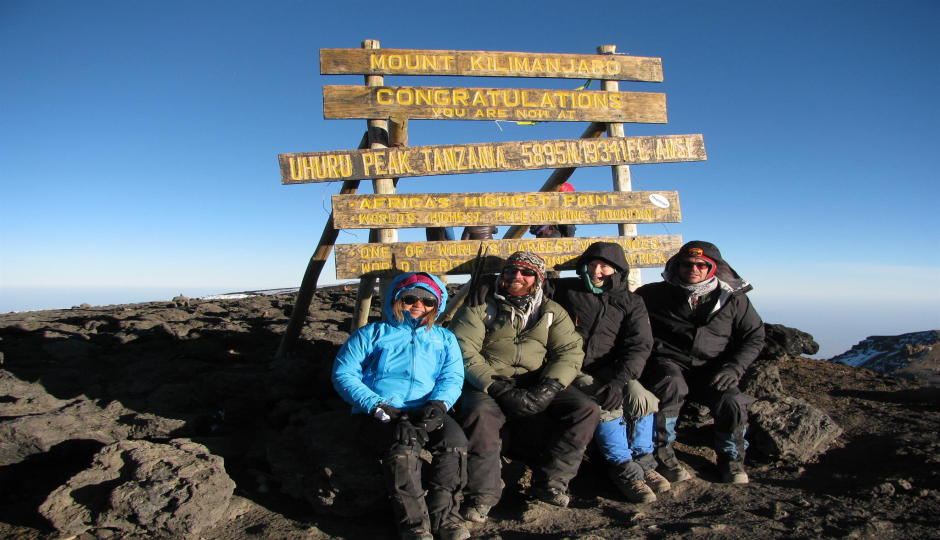
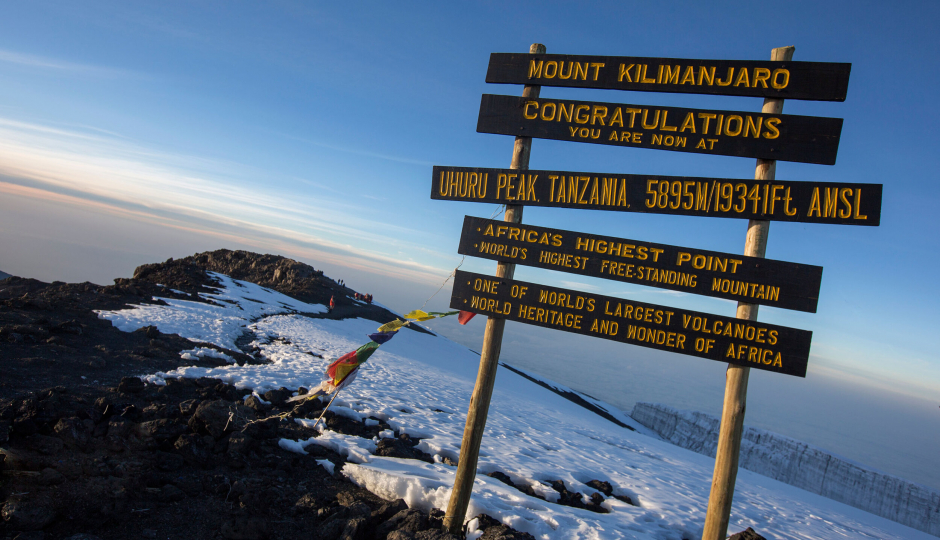
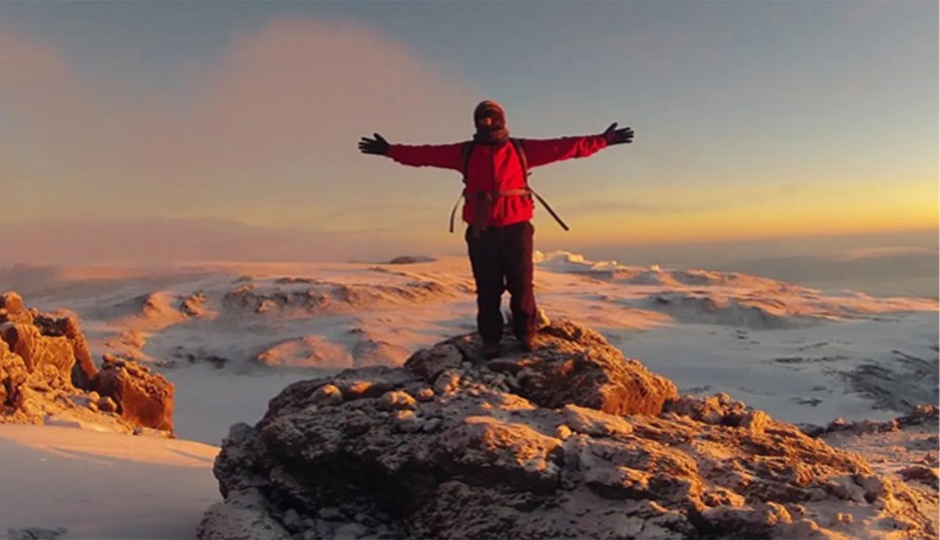
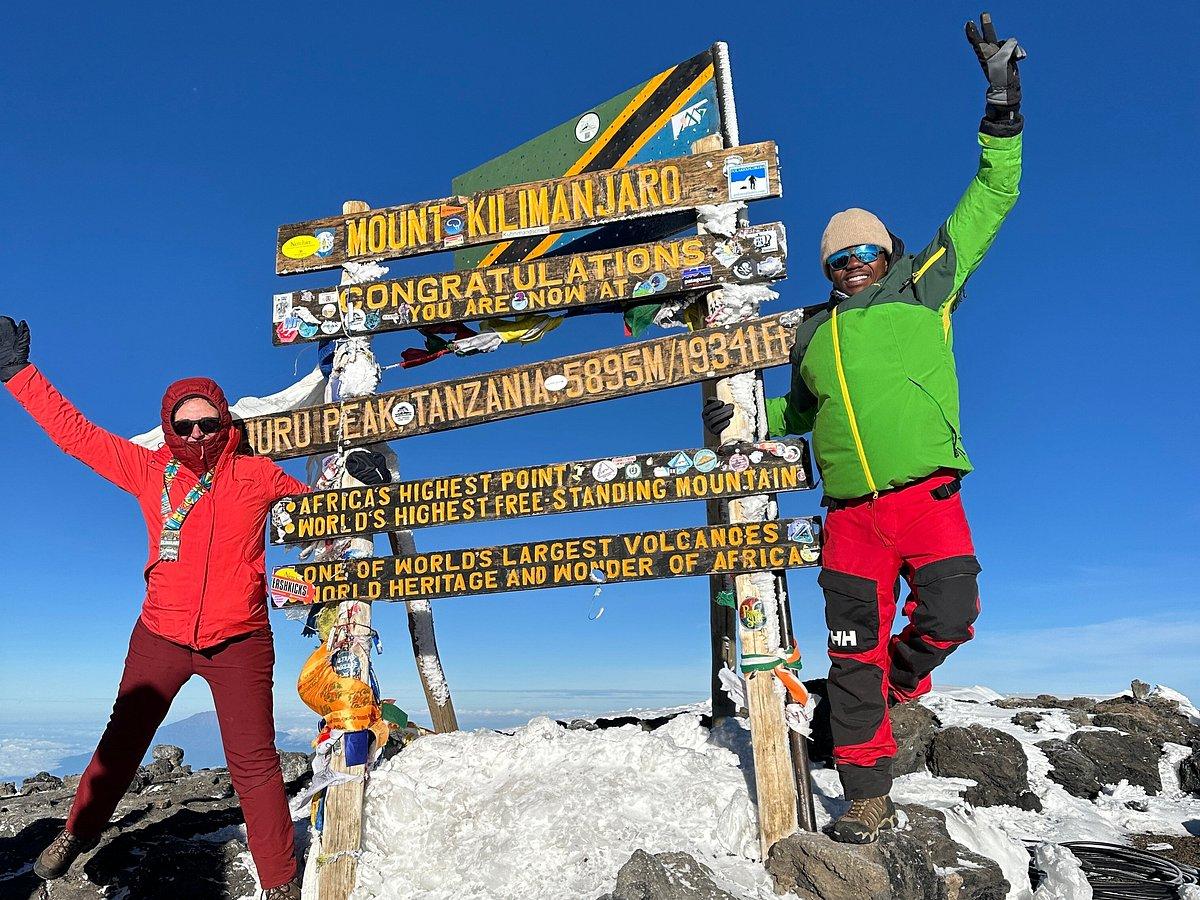
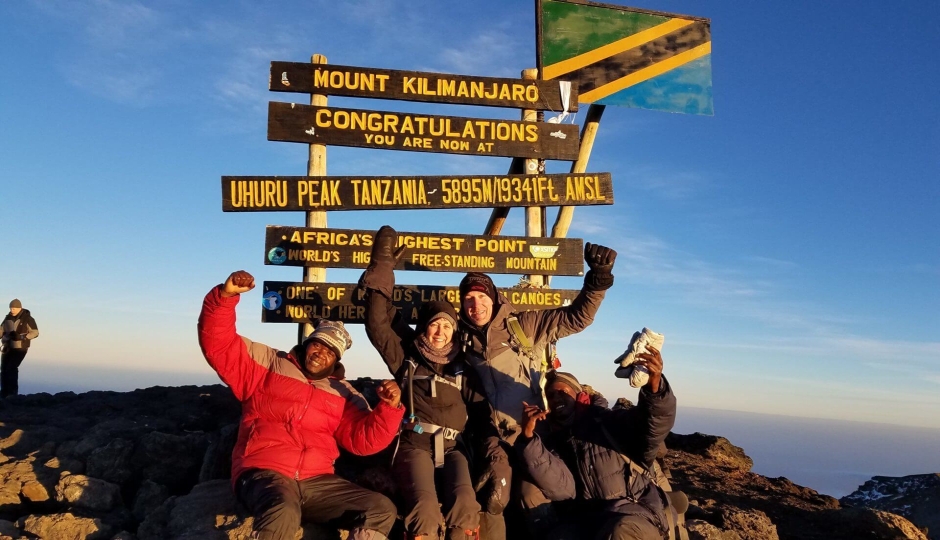
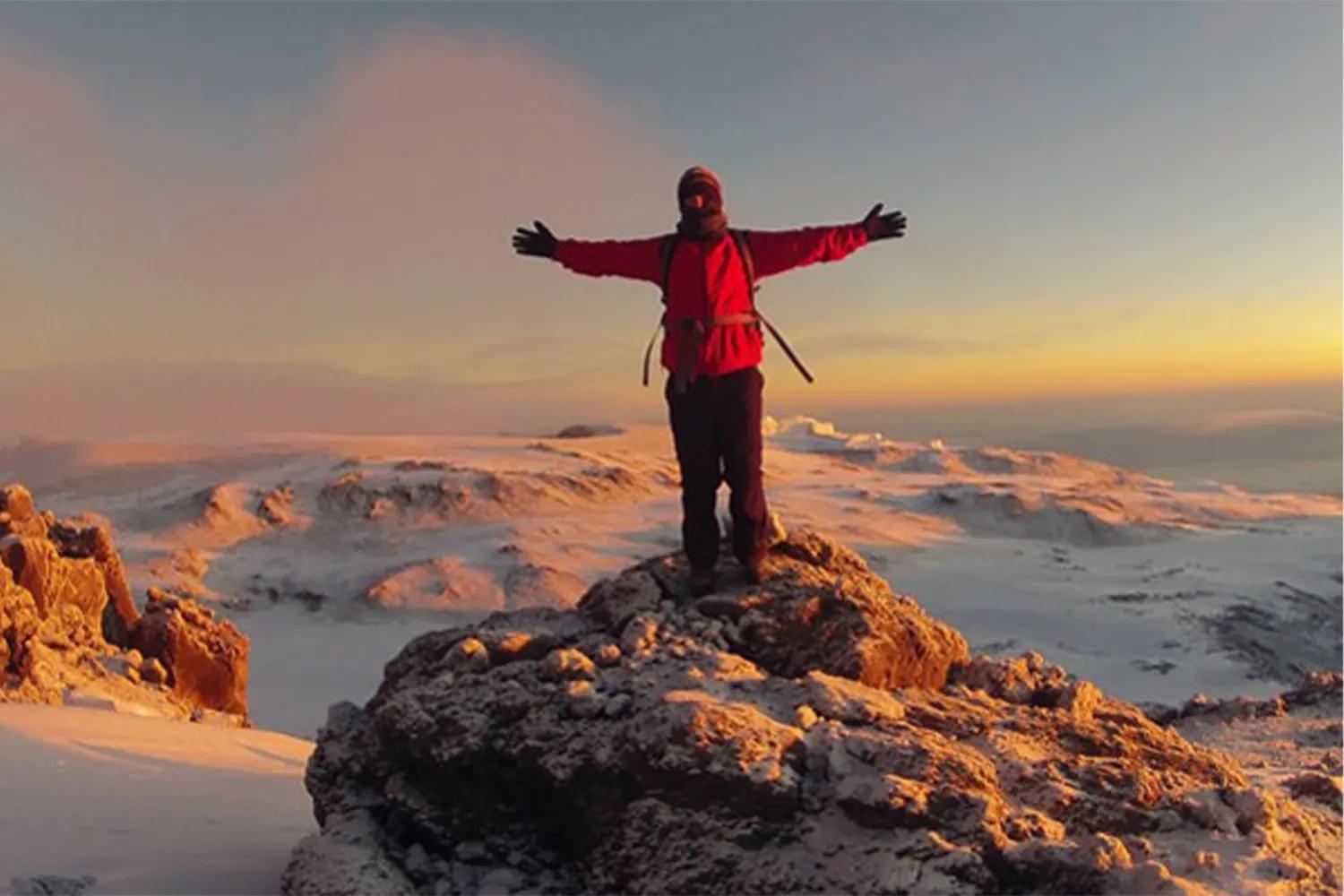
Imagine standing at 5,895 metres above sea level, watching the first rays of the African sunrise illuminate the glaciers of Mount Kilimanjaro. The air is thin, your legs are tired, and every step has been a challenge. But there you are, standing on Uhuru Peak, the highest point in Africa. It is a moment you will remember for the rest of your life.
Now picture a completely different experience. You are sitting comfortably in a 4x4 safari vehicle, travelling across the endless golden plains of the Serengeti. Suddenly, your guide slows down. A magnificent male lion is resting beneath an acacia tree, while a herd of elephants moves slowly across the horizon. In the distance, thousands of wildebeest stretch across the grasslands.
Two extraordinary experiences. Two completely different adventures. One incredible destination: Tanzania.
When planning a holiday in Tanzania, many travellers face an exciting dilemma: Should they climb Mount Kilimanjaro or experience a wildlife safari? Both adventures offer spectacular scenery, unforgettable encounters, and opportunities to discover the natural beauty of East Africa. However, they provide very different experiences.
Climbing Kilimanjaro is about personal achievement, physical endurance, and discovering the extraordinary beauty of Africa's highest mountain. A Tanzania safari is about wildlife, exploration, photography, and witnessing nature in its most authentic form.
But what if you could experience both?
In this guide, we compare Kilimanjaro climbing and Tanzania safaris, explore the best destinations, discuss costs and travel seasons, and explain why combining these two adventures could be the ultimate African holiday.
1. Mount Kilimanjaro: Conquer the Roof of Africa
The adventure: Climbing to the highest point in Africa
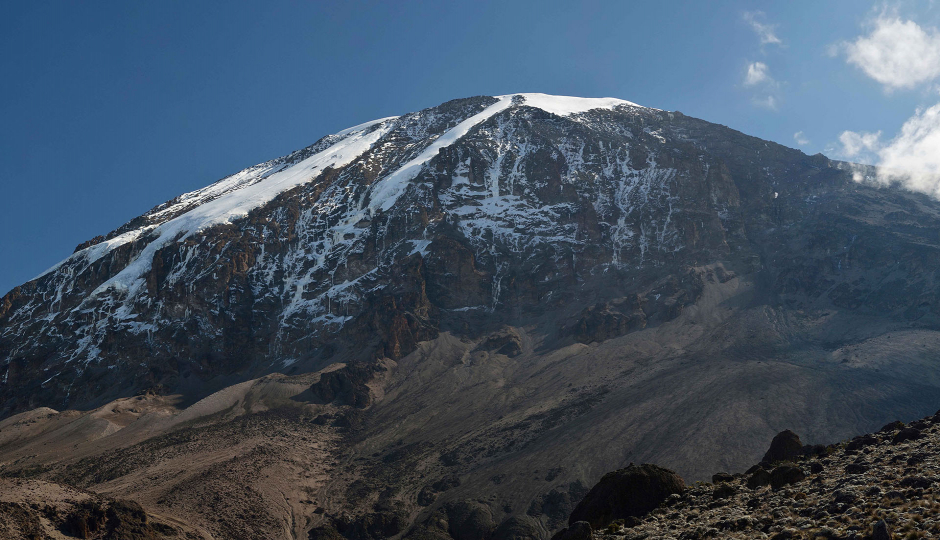
Rising majestically to 5,895 metres (19,341 feet) above sea level, Mount Kilimanjaro is Africa's highest mountain and one of the most recognisable natural landmarks in the world. Located in northern Tanzania, near the Kenyan border, Kilimanjaro is a remarkable free-standing volcanic mountain that attracts thousands of climbers from different parts of the world every year. Its snow-capped summit, dramatic landscapes, and fascinating vegetation zones make it one of the most rewarding trekking destinations on the planet.
One of the most interesting things about Kilimanjaro is that you do not need technical mountaineering experience to attempt the climb. There are established trekking routes that allow ordinary people with good preparation and determination to attempt the summit without technical climbing equipment.
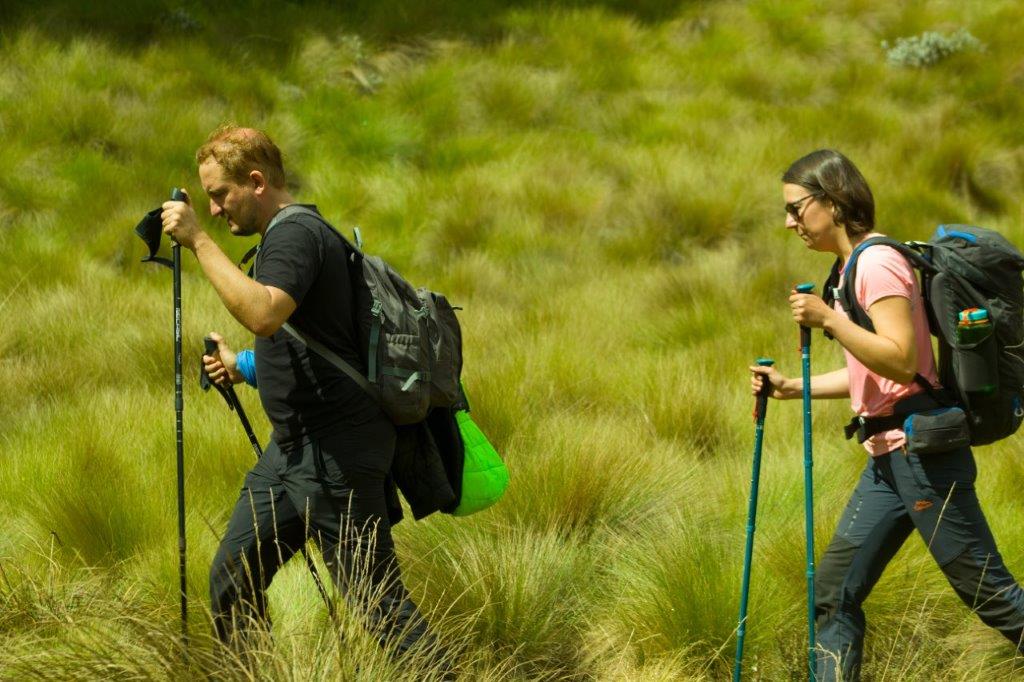
However, reaching the summit is far from an ordinary walk in the mountains. You will spend several days trekking through changing environments, dealing with increasing altitude, and pushing your physical and mental limits.
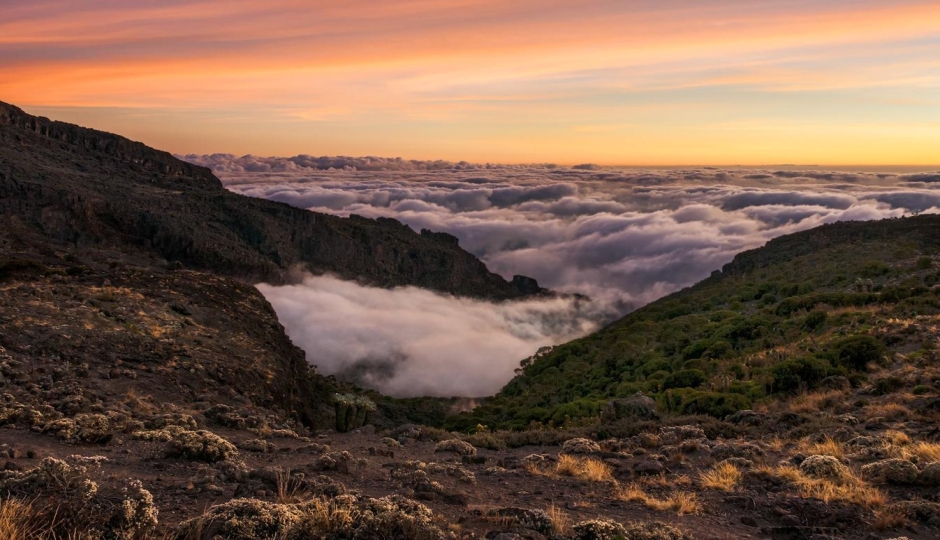
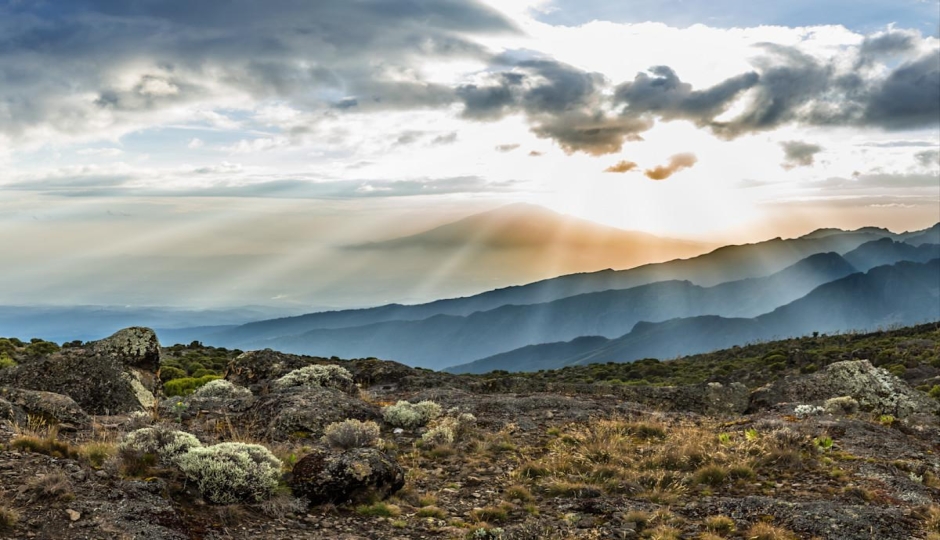
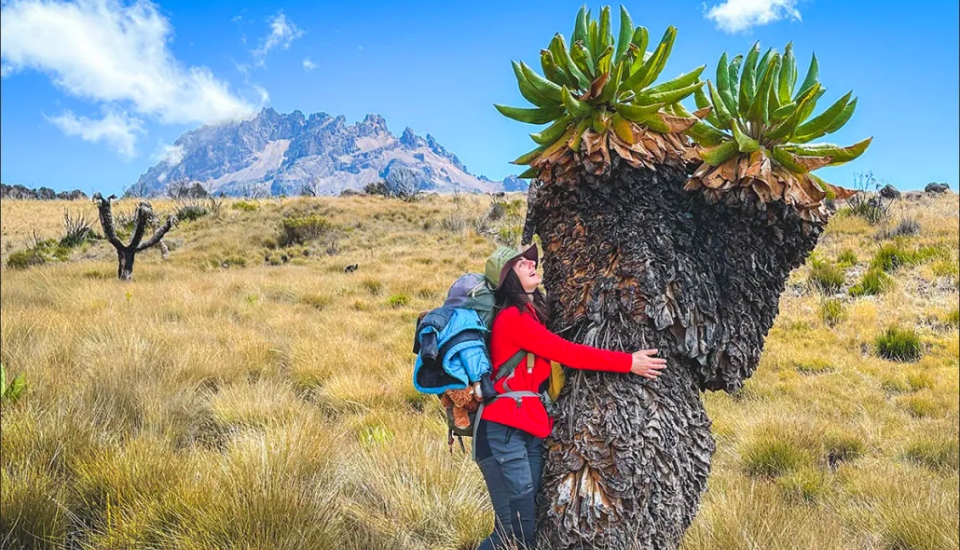
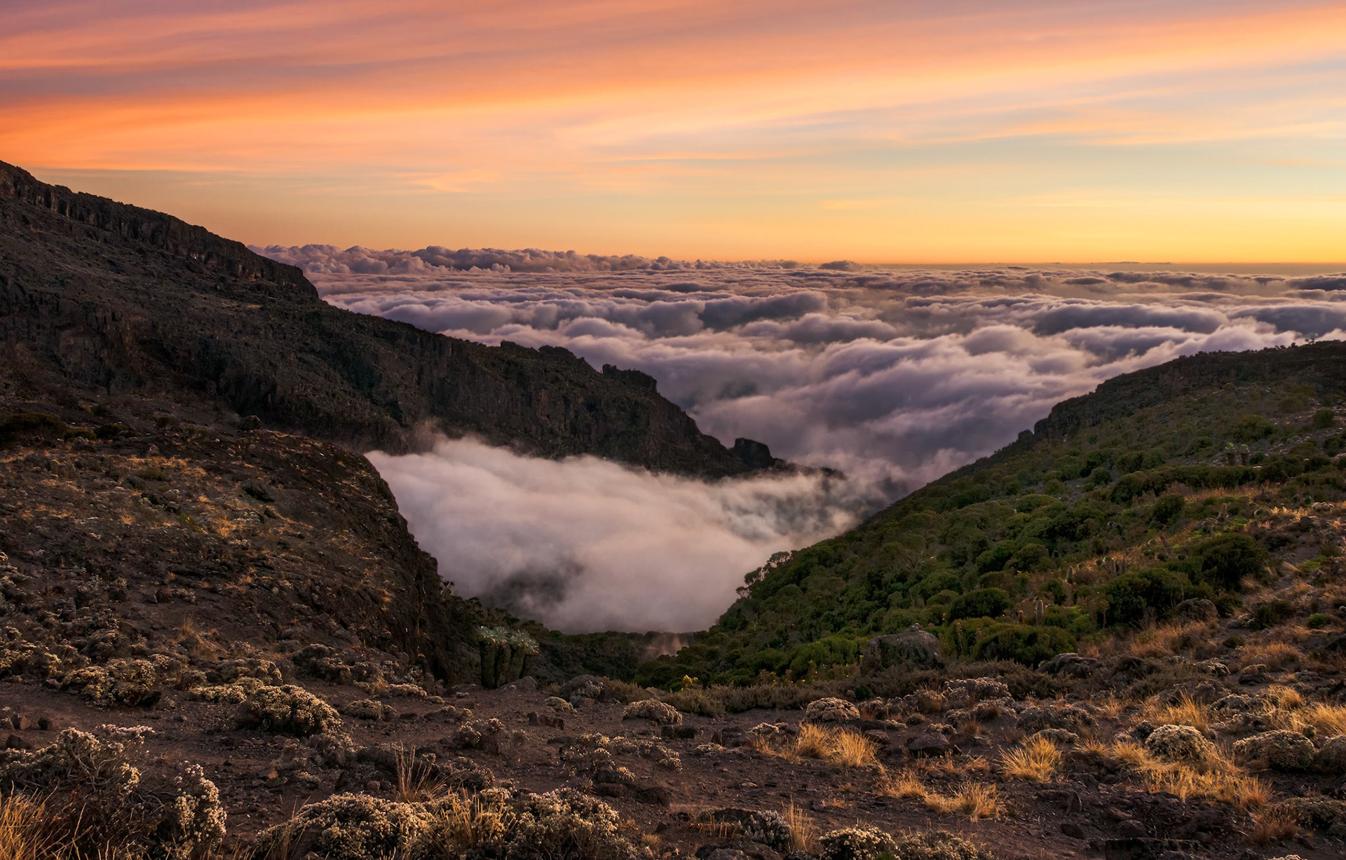
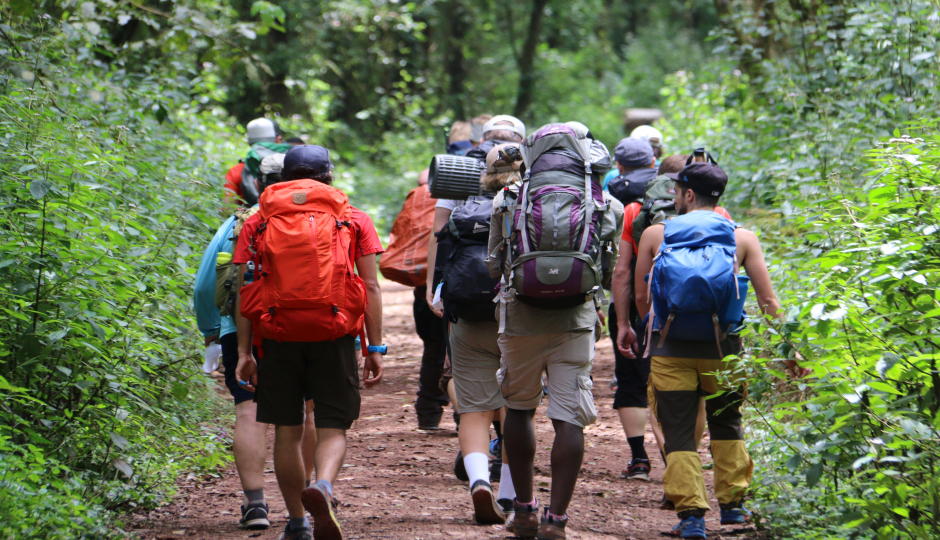
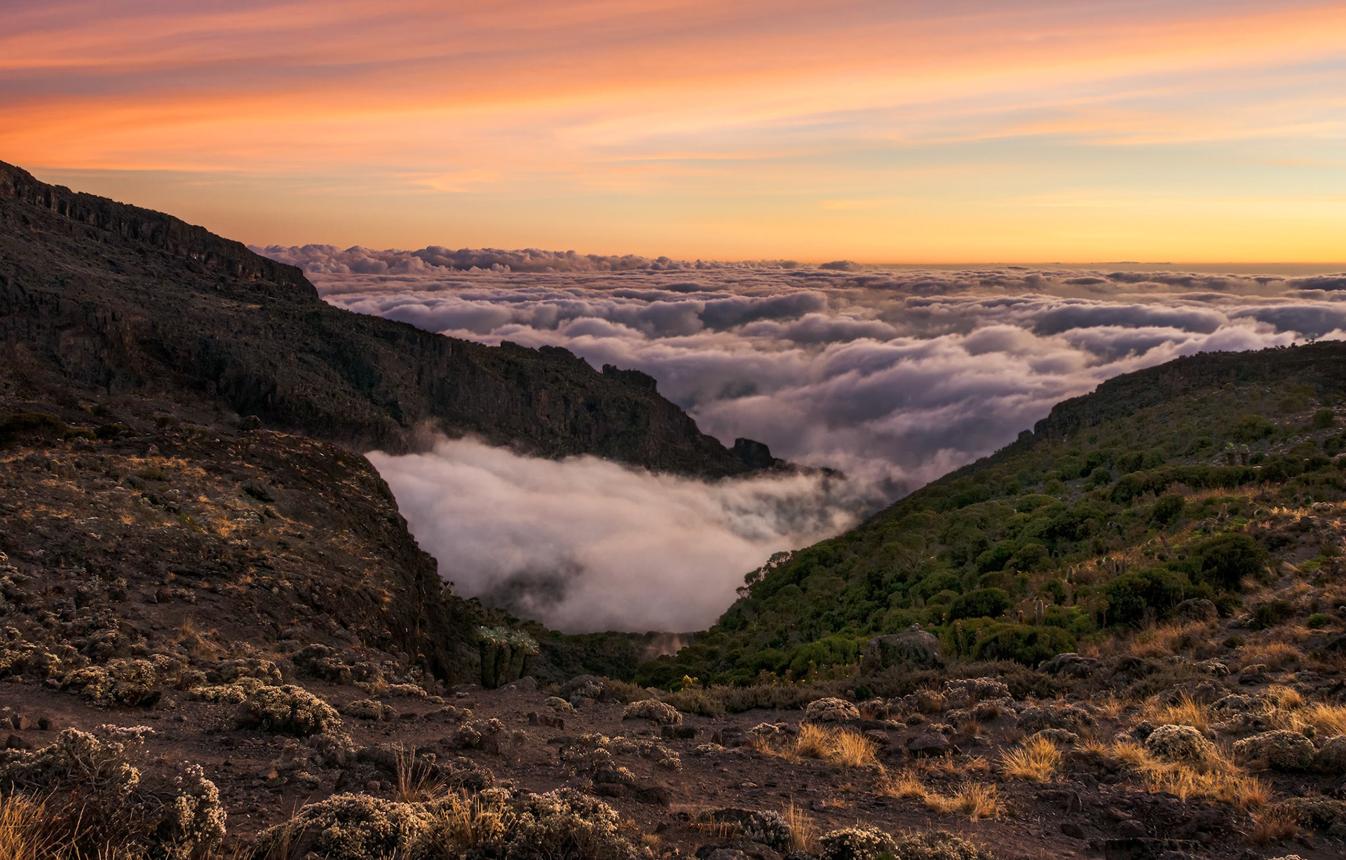
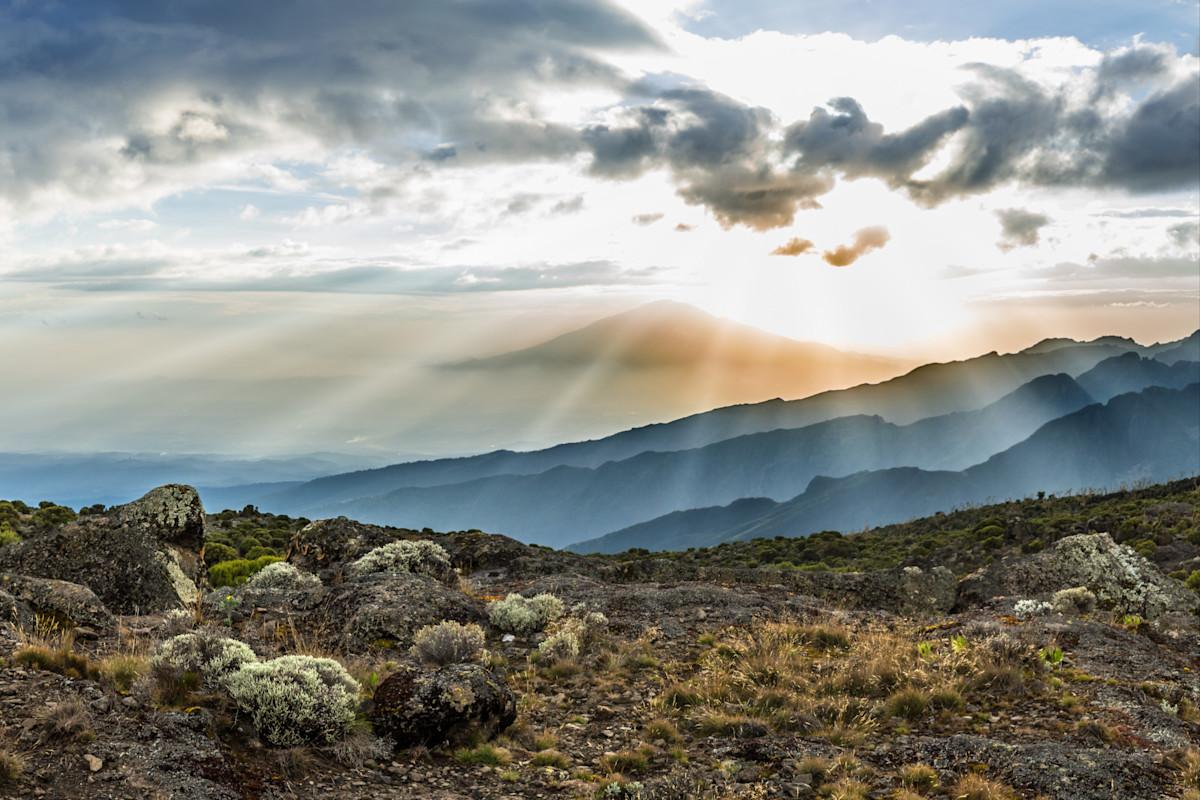
The journey begins in tropical rainforest, where towering trees, moss-covered branches, and the sounds of birds create an almost magical atmosphere. As you gain altitude, the vegetation gradually changes into heathland and moorland, with giant groundsels and lobelias creating unusual mountain scenery.
Higher up, the landscape becomes increasingly barren, transforming into an alpine desert of rocks, volcanic formations, and dramatic mountain views. Finally, you reach the summit zone, where glaciers, ice fields, freezing temperatures, and thin air remind you that you are approaching the roof of Africa.
And then comes summit night.
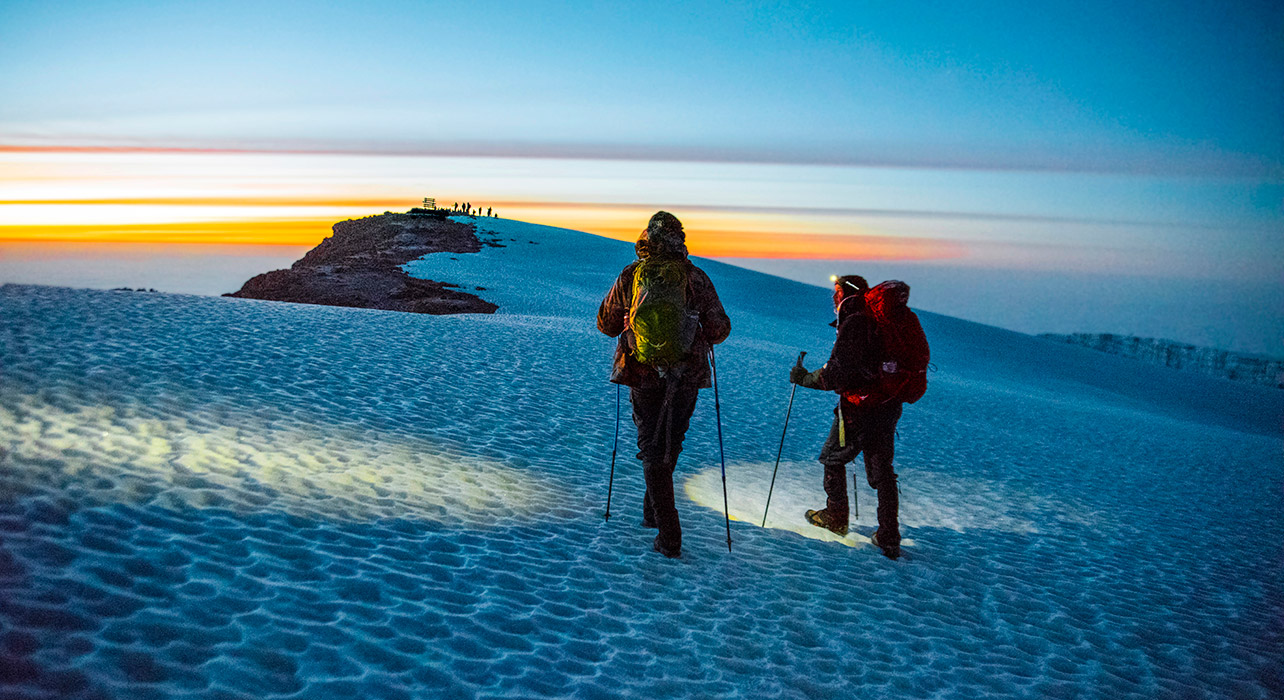
Usually beginning around midnight, the final ascent is one of the most demanding parts of the entire expedition. Climbers move slowly through the darkness, guided by their headlamps, while mountain guides encourage everyone to maintain a steady pace.
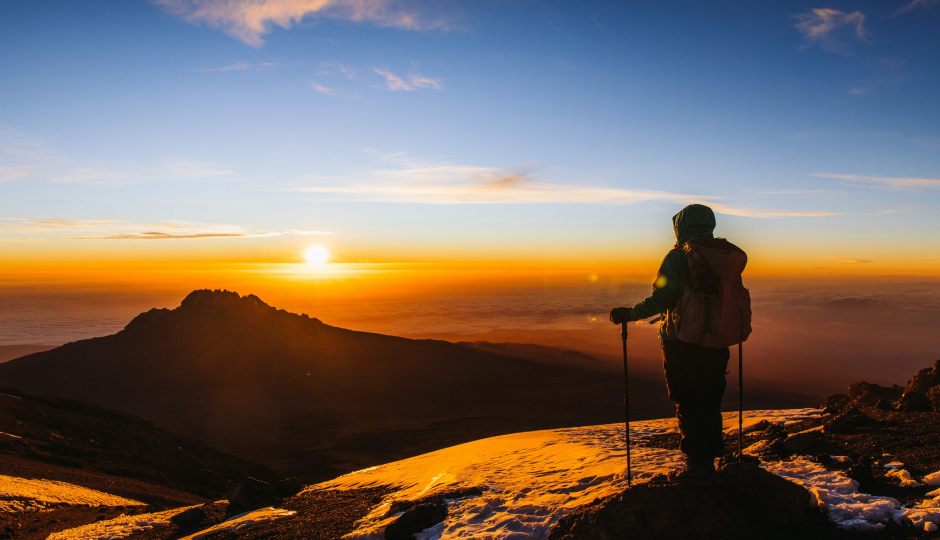
As the sun begins to rise, the landscape slowly reveals itself. For many climbers, reaching Uhuru Peak is an emotional moment that makes every difficult step worthwhile.
What makes climbing Kilimanjaro special?
A journey through five ecological zones
Few trekking experiences offer such dramatic changes in scenery within a single expedition. On Kilimanjaro, you can walk through a tropical rainforest and eventually find yourself surrounded by an almost lunar landscape near the summit. Each zone has its own climate, vegetation, and atmosphere. This diversity makes the climb much more than simply reaching the top of a mountain.
The achievement of reaching Uhuru Peak
Standing at 5,895 metres is an extraordinary personal accomplishment. Some people climb Kilimanjaro to celebrate a birthday, mark a new chapter in life, support a charitable cause, or simply prove to themselves that they can achieve something they once thought impossible.
The summit experience is not just about the photograph. It is about every early morning, every challenging trail, every encouraging word from your guide, and every step that brought you there.
A unique cultural experience
Your Kilimanjaro experience also introduces you to the people who make mountain climbing possible. Professional mountain guides, assistant guides, cooks, and porters work together to support climbers throughout the expedition.
Their knowledge of the mountain, experience with altitude, and understanding of the changing weather conditions are essential parts of a successful climb. You will also hear the famous Swahili encouragement, Pole Pole, meaning slowly, slowly. It is more than a phrase on Kilimanjaro; it is an important philosophy of climbing that helps trekkers maintain a manageable pace and adapt to the altitude.
Which Kilimanjaro climbing route should you choose?
Mount Kilimanjaro has several established climbing routes, each offering different landscapes, challenges, durations, and acclimatisation opportunities.
Choosing the right route is one of the most important decisions when planning your climb.
Machame Route – The Scenic and Adventurous Choice
The Machame Route is one of the most popular ways to climb Kilimanjaro. Often called the Whisky Route, it is famous for its spectacular scenery, varied terrain, and opportunities for acclimatisation when climbed over an appropriate number of days.
The route approaches the mountain from the southern side, beginning in a beautiful rainforest before opening into the heath and moorland zones. One of its major highlights is the Barranco Wall, a fascinating rocky section that requires some scrambling but rewards climbers with beautiful mountain views.
The Machame Route also passes through the impressive Lava Tower area before descending towards Barranco Camp, providing valuable opportunities for altitude adaptation through the climb-high, sleep-low approach.
It is an excellent choice for trekkers who enjoy beautiful scenery and a more adventurous mountain experience.
Lemosho Route – Beautiful Scenery and Excellent Acclimatisation Opportunities
The Lemosho Route is widely regarded as one of the most scenic approaches to Kilimanjaro.
Beginning on the western side of the mountain, the route offers a quieter and more remote trekking experience during its early stages. Climbers pass through beautiful rainforest before reaching the impressive Shira Plateau, where the views of Kilimanjaro's volcanic landscapes become increasingly spectacular.
One of the biggest advantages of Lemosho is the availability of longer itineraries, allowing more time for acclimatisation. This is particularly important because altitude sickness can affect anyone, regardless of physical fitness.
The route eventually joins the southern circuit, passing iconic locations such as Lava Tower and Barranco before continuing towards the summit. For travellers who have enough time and want a scenic trekking experience with a longer acclimatisation schedule, Lemosho is an excellent option.
Marangu Route – The Classic Coca-Cola Route
The Marangu Route is one of the oldest and most established Kilimanjaro climbing routes. It is popularly known as the Coca-Cola Route because of its long history and relatively straightforward trail design. Unlike most other Kilimanjaro routes, Marangu offers mountain hut accommodation rather than camping. Climbers sleep in shared mountain huts, which can be appealing to those who prefer not to spend nights in tents. The route approaches Kilimanjaro from the southeastern side and passes through rainforest, moorland, and alpine desert before reaching the summit.
Although often considered one of the easier routes because of its gradual trail profile, its shorter itineraries can provide less time for acclimatisation. Choosing a longer itinerary is therefore important for improving the opportunity to adjust to the altitude.
Rongai Route – A Quieter Northern Approach
The Rongai Route approaches Kilimanjaro from the northern side, close to the Kenyan border. It is particularly attractive to climbers looking for a different perspective of the mountain. The northern slopes are generally drier than the southern slopes, and the route offers beautiful views of the surrounding wilderness. Compared with Machame and Marangu, Rongai generally experiences fewer climbers, especially during the early stages. The trail gradually approaches the summit through alpine landscapes before descending via the Marangu Route. It is an excellent option for those who prefer a quieter trekking experience and a different geographical perspective of Kilimanjaro.
Umbwe Route – A Challenging Mountain Adventure
The Umbwe Route is known for its steep ascent and demanding terrain. It approaches the mountain from the southern side and climbs rapidly through the forest before joining the southern circuit. Because of its steep profile and limited early acclimatisation opportunities, Umbwe is generally recommended for experienced trekkers who are comfortable with challenging mountain terrain.
It is not usually the best choice for first-time Kilimanjaro climbers, particularly those who have limited experience at high altitude.
Shira Route – An Impressive Western Approach
The Shira Route approaches Kilimanjaro from the western side and crosses the beautiful Shira Plateau. It offers magnificent views of the mountain and surrounding landscapes, making it an attractive option for experienced trekkers. However, one important consideration is that the route starts at a relatively high elevation. This can make the initial stages more challenging for climbers who have not yet acclimatised.
A carefully designed itinerary is essential.
How long does it take to climb Kilimanjaro?
Most Kilimanjaro expeditions take between 5 and 9 days, depending on the route selected.
Although shorter climbs may appear attractive because they require fewer holiday days, additional acclimatisation time is generally beneficial. Spending more days on the mountain allows your body more opportunity to adapt to decreasing oxygen levels.
The mountain is not a race. The goal is not simply to climb quickly but to reach the summit safely and enjoy the experience.
Who should choose Kilimanjaro?
Kilimanjaro is ideal for:
Adventure seekers who want to challenge themselves physically and mentally.
Hiking enthusiasts who enjoy exploring mountains and remote landscapes.
Travellers celebrating birthdays, anniversaries, or personal achievements.
Charity groups and fundraising teams looking for a meaningful challenge.
Couples, friends, and solo travellers seeking an extraordinary shared experience.
Anyone who has dreamed of standing on the highest point in Africa.
You do not need to be an elite athlete to climb Kilimanjaro. However, regular cardiovascular exercise, hiking practice, strength training, and proper preparation are important. Remember that fitness alone cannot prevent altitude sickness, so choosing a suitable itinerary and following your mountain guide's advice is essential.
2. Tanzania Safari: Discover the Wild Side of Africa
The adventure: Exploring some of the world's greatest wildlife destinations If climbing a mountain sounds like too much hard work for your holiday, perhaps the African wilderness is calling your name! Tanzania is one of Africa's most celebrated safari destinations, offering extraordinary opportunities to observe wildlife in its natural environment.
From the enormous elephant herds of Tarangire to the endless grasslands of the Serengeti and the wildlife-rich Ngorongoro Crater, Tanzania offers an incredible variety of safari experiences. A typical safari begins early in the morning, when temperatures are cooler and many animals are active. Your professional safari guide drives through the national park, searching for wildlife and sharing information about animal behaviour, habitats, and the surrounding ecosystem.
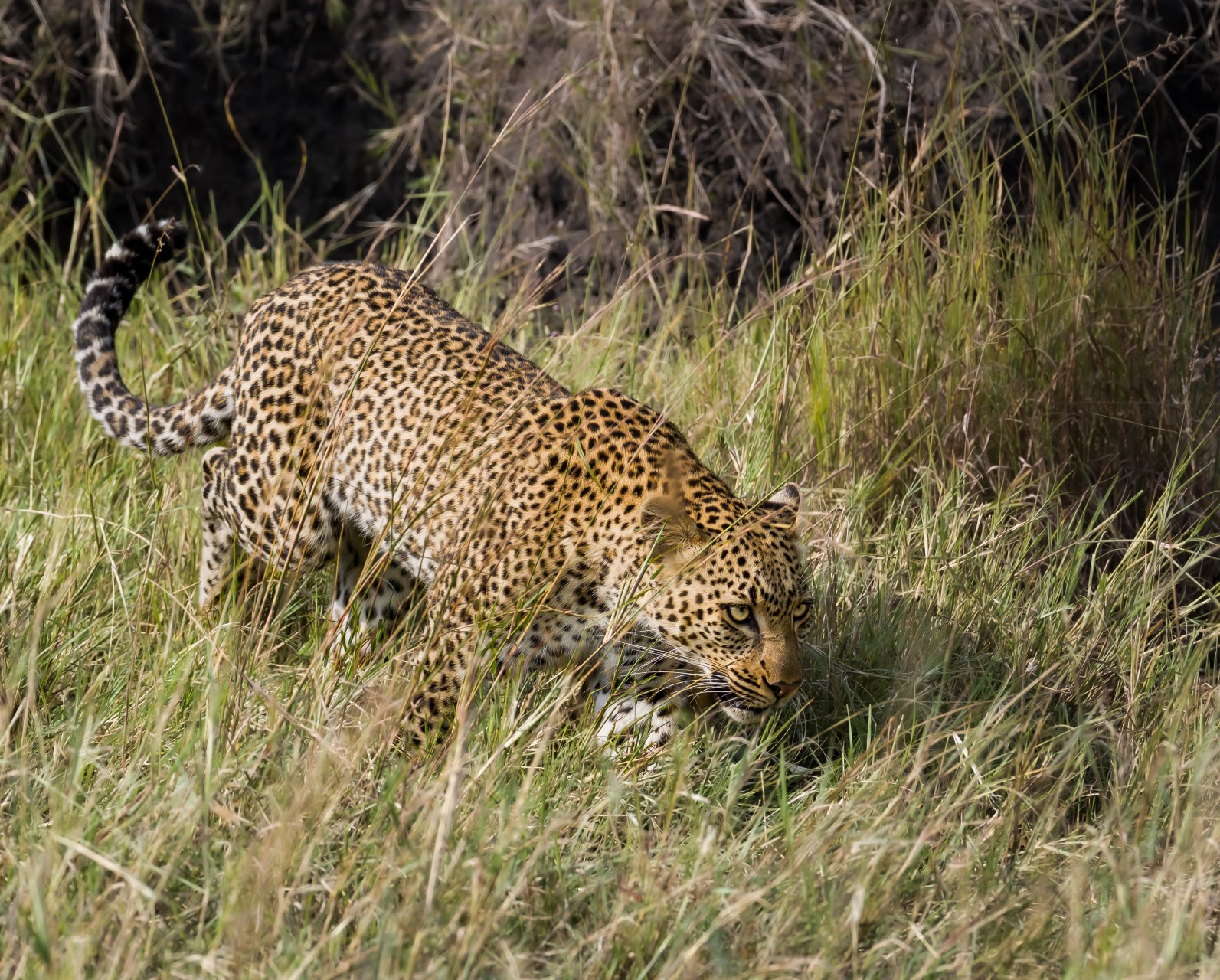
You might spend an hour watching a leopard resting on a tree branch, follow a family of elephants crossing the road, or discover a pride of lions preparing for a morning hunt. And sometimes, the most exciting wildlife encounters happen when you least expect them.
Unlike a visit to a zoo, a safari is unpredictable. Animals move freely, predators hunt when they need to, and every game drive offers a different experience.
That is precisely what makes a Tanzania safari so exciting.
The best destinations for a Tanzania safari
Serengeti National Park – The Land of Endless Plains
The Serengeti is arguably Tanzania's most famous wildlife destination and one of the most celebrated safari ecosystems in the world. The name Serengeti is derived from the Maasai word Siringet, commonly translated as endless plains. When you first enter the park, it becomes easy to understand why. Vast grasslands stretch towards the horizon, interrupted by rocky outcrops known as kopjes, scattered acacia trees, seasonal rivers, and occasional woodland areas.
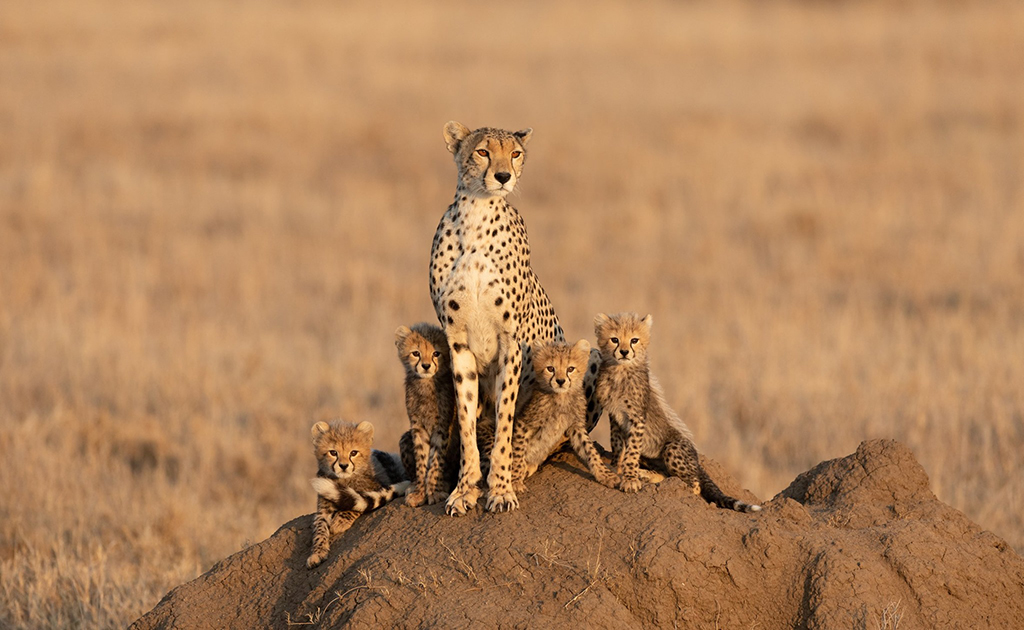
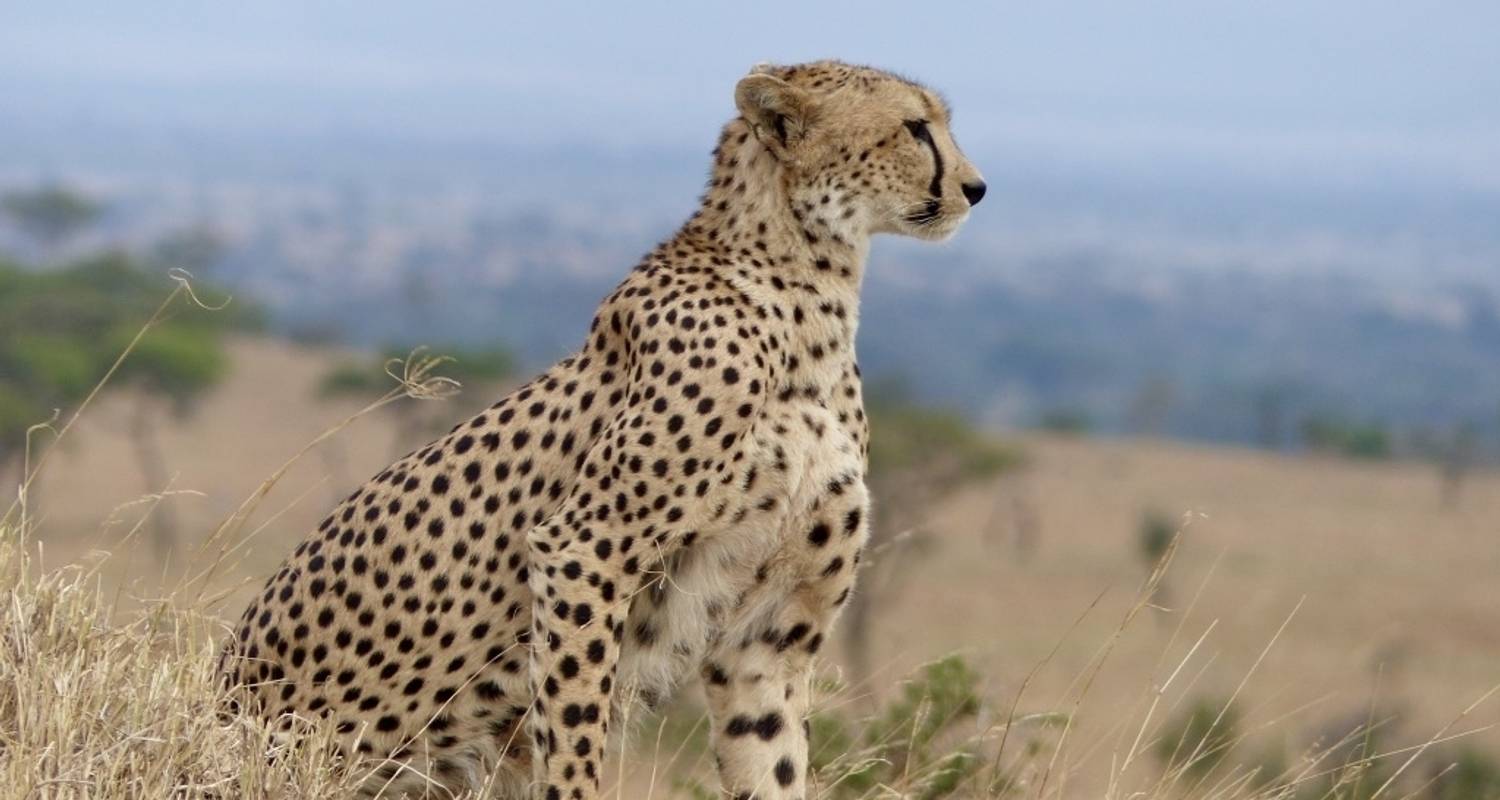
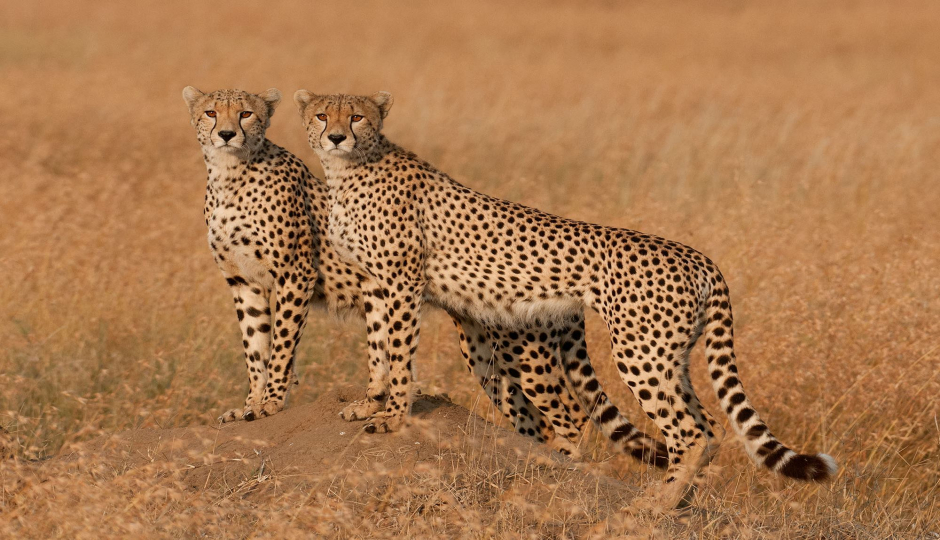
The Serengeti supports an extraordinary diversity of wildlife, including lions, leopards, cheetahs, elephants, giraffes, buffaloes, hyenas, zebras, and numerous antelope species. It is particularly famous for its large populations of big cats. The open grasslands provide excellent opportunities to observe lions and cheetahs, while leopards are often found resting in trees or hiding among dense vegetation.
However, the Serengeti's biggest attraction is undoubtedly the Great Wildebeest Migration.
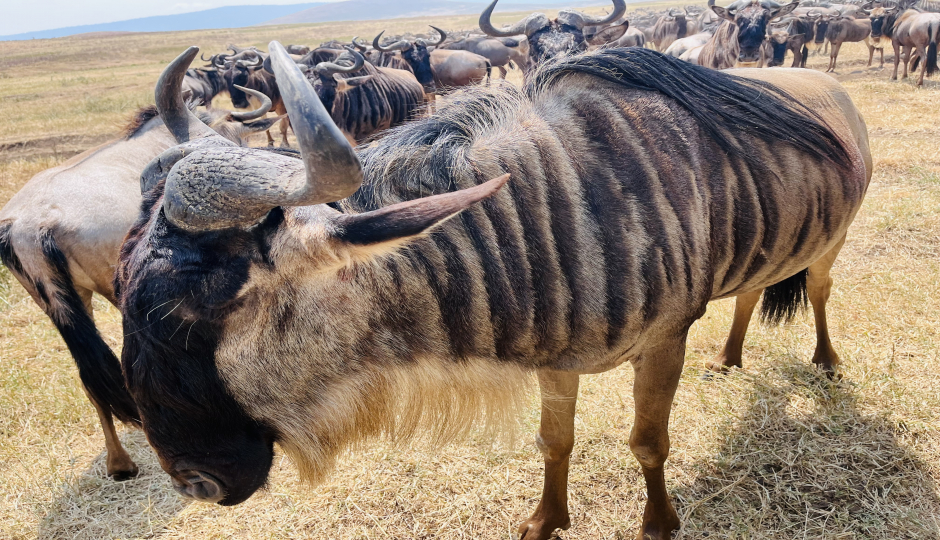
Every year, enormous herds of wildebeest and zebras move through the Serengeti ecosystem in search of fresh grass and water. This continuous movement creates one of the greatest wildlife spectacles on Earth. Depending on the time of year, visitors may witness the calving season in the southern Serengeti, large migrating herds moving through the western corridor, or dramatic river crossings in the northern Serengeti.
The river crossings are particularly famous because wildebeest must navigate rivers where crocodiles are waiting. However, these crossings are natural events and cannot be guaranteed on any particular safari.
For travellers dreaming of an authentic African safari, the Serengeti is a destination that deserves serious consideration.
Ngorongoro Crater – A Natural Wildlife Paradise
The Ngorongoro Crater is one of Tanzania's most spectacular natural attractions.
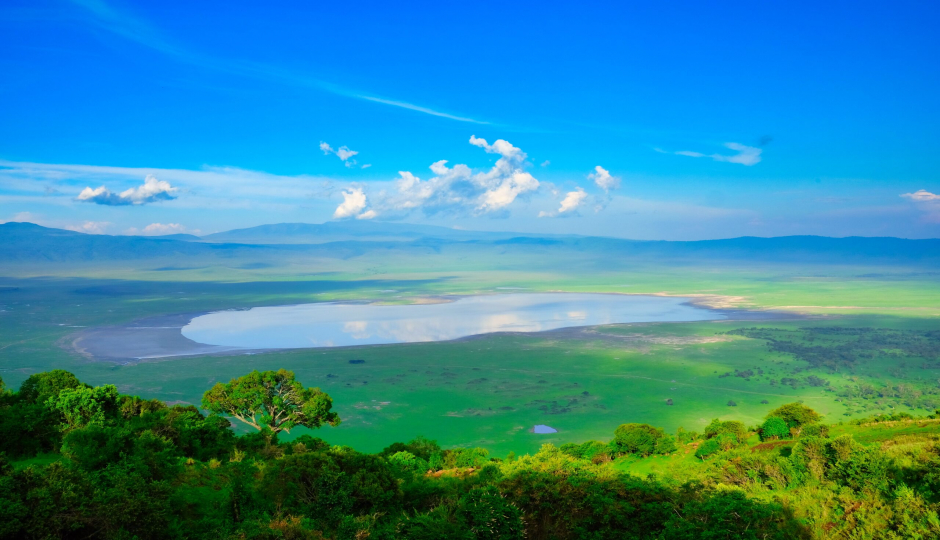
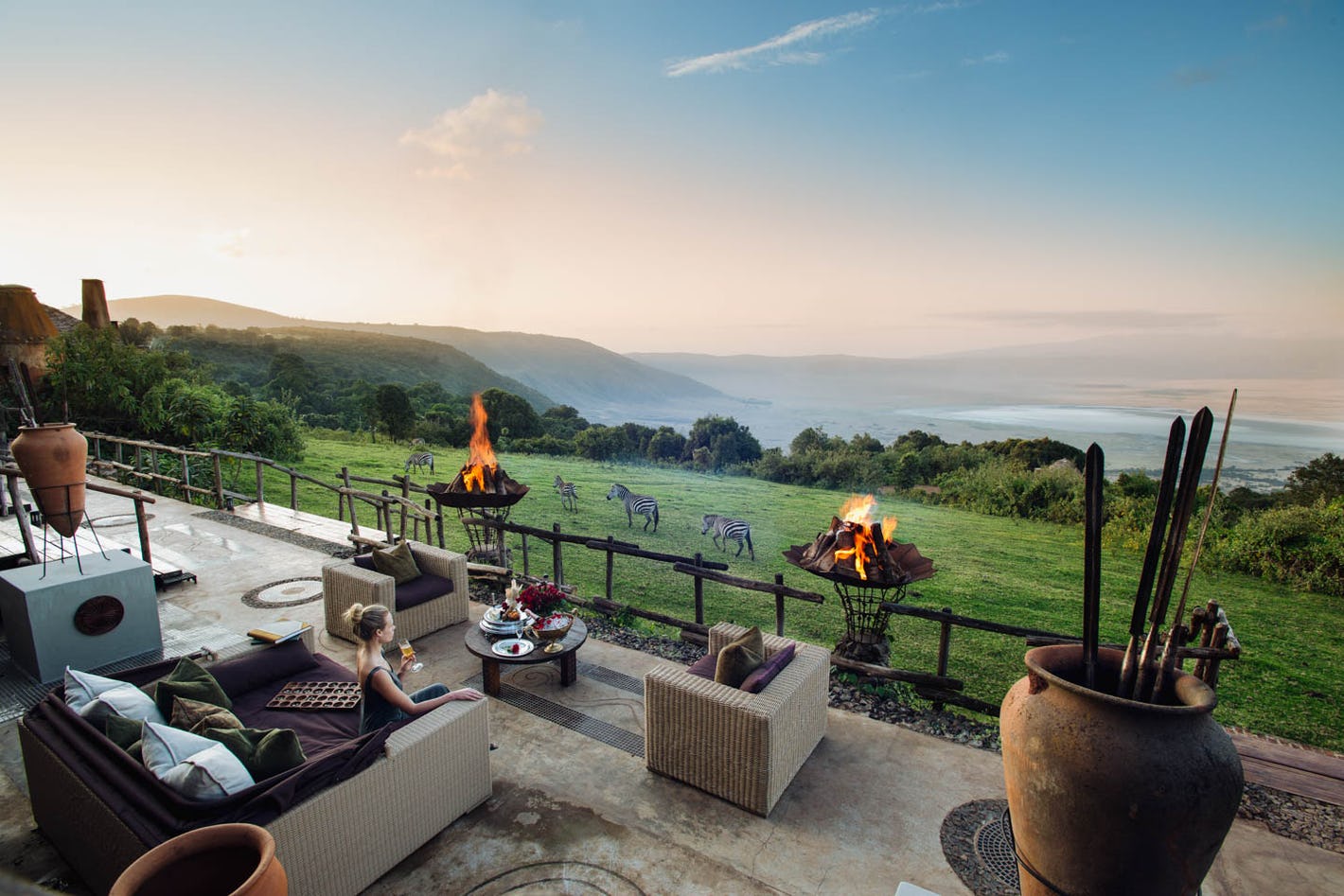
Formed when a massive ancient volcano collapsed, the crater is now a remarkable natural landscape surrounded by steep walls that rise above its wildlife-rich floor. Descending into the crater is one of the highlights of a northern Tanzania safari. As you travel down the winding road, the scenery gradually opens to reveal grasslands, swamps, seasonal lakes, forests, and other habitats that support an impressive concentration of wildlife.
The crater is particularly famous for its opportunities to see the Big Five: lions, elephants, buffaloes, leopards, and rhinoceroses.
It is also home to zebras, wildebeest, hippos, hyenas, flamingos, and numerous bird species.
One of the most special wildlife encounters is the opportunity to spot the endangered black rhino. Although sightings are never guaranteed, the crater is one of the best places in Tanzania to look for this remarkable animal.
Beyond wildlife, Ngorongoro also has enormous geological and archaeological significance. The wider conservation area includes important archaeological sites such as Olduvai Gorge, which has contributed greatly to our understanding of human evolution.
The crater is ideal for travellers who want spectacular scenery and excellent wildlife viewing within a relatively compact safari destination.
Tarangire National Park – The Kingdom of Elephants and Baobabs
Tarangire National Park is one of the most underrated highlights of northern Tanzania, although experienced safari travellers know exactly why it deserves a place on their itinerary. The park is famous for its enormous baobab trees, beautiful landscapes, and impressive elephant populations. During the dry season, the Tarangire River becomes an important source of water for wildlife. Animals from surrounding areas gather around the river, creating excellent opportunities for game viewing. Elephants are particularly prominent, and it is not unusual to encounter large family groups moving through the park.
Tarangire is also home to lions, leopards, cheetahs, giraffes, zebras, wildebeest, buffaloes, and an impressive variety of birdlife.
One of the most beautiful aspects of Tarangire is its scenery. Ancient baobabs dominate parts of the landscape, their enormous trunks and unusual branches creating dramatic photographic backgrounds.
For photographers, nature enthusiasts, and travellers who appreciate quieter safari experiences, Tarangire offers something truly special.
It also combines very well with Ngorongoro Crater and the Serengeti on a multi-day northern circuit safari.
Lake Manyara National Park – A Small Park with Remarkable Diversity
Lake Manyara National Park may be smaller than the Serengeti or Tarangire, but it offers an entirely different safari atmosphere. Located beneath the dramatic Great Rift Valley escarpment, the park features groundwater forests, open grasslands, woodland habitats, and the beautiful alkaline Lake Manyara. The park is particularly known for its large troops of baboons, elephants, and diverse birdlife.
During certain seasons, flamingos and other waterbirds gather around the lake, creating beautiful scenery for photographers and birdwatchers.
Lake Manyara is also famous for its tree-climbing lions. Although these unusual sightings are not guaranteed, the possibility of seeing a lion resting in the branches of an acacia tree adds another interesting dimension to the safari experience.
The combination of forests, lakes, and open landscapes makes Lake Manyara an excellent addition to a northern Tanzania safari. It is particularly suitable for travellers with limited time who want to explore different habitats without spending too many days travelling between parks.
What makes a Tanzania safari special?
Wildlife encounters in their natural habitat A safari gives you the opportunity to observe wildlife behaving naturally in the environment where it belongs. You may see elephants interacting with their young, giraffes feeding from acacia trees, lions resting after a night of hunting, or zebras travelling together across the plains.
Every encounter is different, and there is no fixed script.
The Great Wildebeest Migration
The Great Migration is one of the greatest reasons travellers choose Tanzania.
Millions of wildebeest, together with hundreds of thousands of zebras and gazelles, move across the Serengeti ecosystem following seasonal rainfall and fresh grazing. The movement includes dramatic river crossings, predator encounters, and the famous calving season, when thousands of wildebeest calves are born within a relatively short period. Planning your safari around the migration's expected location can make a significant difference to your experience.
Beautiful landscapes and photography
Tanzania is not only about animals. Its landscapes are equally impressive. You can photograph ancient baobab trees in Tarangire, endless golden plains in the Serengeti, volcanic scenery in Ngorongoro, and spectacular sunsets across the African wilderness. Whether you use a professional camera or a smartphone, there are countless opportunities to capture unforgettable moments.
Cultural experiences
A Tanzania safari can also introduce you to local cultures and traditions. In northern Tanzania, travellers may have opportunities to learn about Maasai culture, traditional pastoral lifestyles, local crafts, and the relationship between communities and the surrounding environment. Responsible cultural visits should be organised with local communities and conducted with respect for their customs and privacy.
Comfort and flexibility
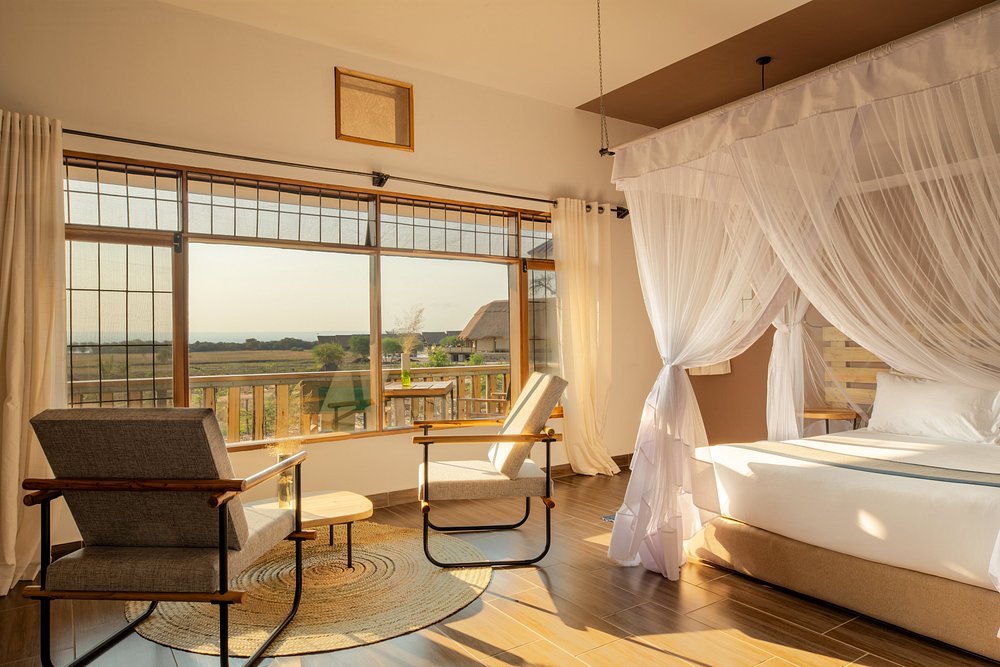
Another advantage of a safari is the flexibility of accommodation. Depending on your budget, you can choose simple camping experiences, comfortable safari lodges, luxury tented camps, or exclusive private accommodation.
Imagine spending the night in a comfortable tented camp, listening to the sounds of the African wilderness outside your accommodation. It is an experience that makes a safari feel completely different from an ordinary hotel holiday.
Who should choose a Tanzania safari?
A Tanzania safari is ideal for:
Wildlife enthusiasts who dream of seeing lions, elephants, leopards, and other African animals.
Couples looking for a romantic and memorable African holiday.
Families interested in introducing their children to nature and wildlife.
Photographers and birdwatchers seeking exceptional opportunities.
Older travellers who prefer a less physically demanding adventure.
First-time visitors to Africa who want to experience the continent's famous wildlife destinations.
Whether you have three days or two weeks, Tanzania offers safari experiences that can be customised to suit different interests, budgets, and travel styles.
3. Kilimanjaro vs. Tanzania Safari: What's the Difference?
Both adventures are unforgettable, but choosing between them depends on what you want from your holiday.
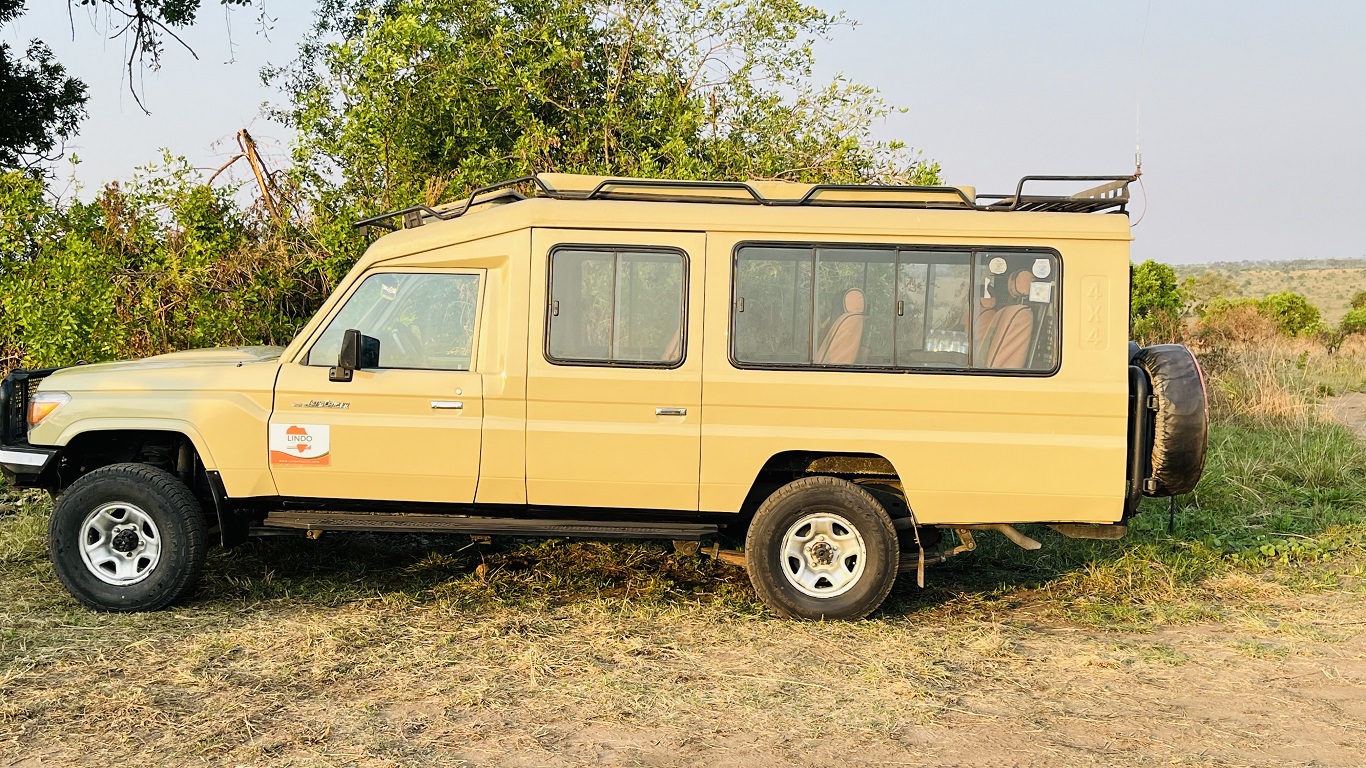
Kilimanjaro is an active trekking expedition that requires physical preparation, endurance, and several days of commitment. A safari is generally more relaxed, allowing you to explore national parks comfortably in a specially equipped 4x4 vehicle.
However, the differences go beyond physical activity.
On Kilimanjaro, your main objective is to reach the summit while safely adapting to altitude. Your daily routine revolves around trekking, eating, resting, and preparing for the next stage of the climb.
On safari, your days revolve around wildlife viewing, exploring different habitats, photography, and enjoying the experience of being in the African wilderness.
Here is a closer comparison.
Features
Kilimanjaro Climbing
Tanzania Safari
Main Attraction
Reaching Africa's Highest Summit
Explore Africa Wildlife
Physical Demand
High
Generally low to moderate
Typical Duration
5-9 days
2-10+ days
Accommodation
Mountain tents or huts
Campsites, lodges and tented camps
Main Highlights
Uhuru Peak at 5895 metres
Wildlife and the Great Migration
Best for
Adventure seekers and hikers
Wildlife and nature enthusiasts
Main challenge
Altitude, cold and endurance
Long drives and unpredictable wildlife sightings
Photography
Mountains, glaciers and landscapes
Wildlife, birds and landscapes
Daily experience
Walking and acclimatisation
Game drives and wildlife observation
Preparation
Physical training and trekking equipment
Travel planning and safari clothing
Which adventure is more challenging?
There is no doubt that climbing Kilimanjaro is more physically demanding than a traditional wildlife safari. During the climb, you will spend several hours walking each day, sometimes on steep and rocky terrain. As you gain altitude, the decreasing oxygen levels can make even simple activities feel exhausting. The summit night is particularly demanding because climbers must continue ascending in freezing temperatures and at high altitude.
A safari is generally much less physically demanding. You spend most of your time travelling in a comfortable 4x4 vehicle, stopping to observe animals and enjoy the scenery.
However, safari days can involve early morning starts, long drives, and several hours of game viewing. Some journeys between parks are also quite long.
The difference is simple: Kilimanjaro challenges your body, while a safari stimulates your curiosity and sense of adventure.
Which experience offers better value for money?
That depends on what you value most.
A Kilimanjaro climb involves considerable logistical support, including professional guides, porters, cooks, park fees, mountain meals, camping equipment, and transportation. A safari involves a different set of expenses, including a safari vehicle, professional driver-guide, national park fees, accommodation, meals, and fuel.
Neither experience is automatically cheaper than the other. The final cost depends on the number of days, group size, accommodation standards, and itinerary. If you enjoy physical challenges and mountain landscapes, Kilimanjaro may offer the greatest personal reward. If wildlife encounters and comfortable exploration are more appealing, a safari may be the better investment.
And if you have travelled all the way to Tanzania, experiencing both can make your journey even more rewarding.
4. Why Not Do Both? The Ultimate Tanzania Adventure!
Now, here is where things become really interesting.
Imagine arriving in Tanzania with two dreams: standing on the highest point in Africa and seeing wild lions roaming freely across the Serengeti.
Why choose one when you can experience both?
Combining a Kilimanjaro climb with a Tanzania safari allows you to discover two completely different sides of the country. First, you experience the challenge and excitement of mountain trekking. You walk through beautiful forests, cross dramatic volcanic landscapes, and gradually approach the summit.
After completing your climb, you move into a completely different environment. Instead of trekking poles and mountain boots, you have a comfortable safari vehicle, a camera, and an experienced wildlife guide. You can spend your days exploring national parks, watching elephants, searching for big cats, and enjoying spectacular African sunsets.
The contrast between the two experiences is what makes this combination so special. One day you are surrounded by mountain glaciers. A few days later, you are watching elephants cross a dry riverbed beneath ancient baobab trees.
What could a combined Kilimanjaro and Tanzania safari itinerary look like?
Here is an example of a 14-day adventure combining an 8-day Lemosho climb with a northern Tanzania wildlife safari.
Days 1–8: Kilimanjaro Climbing – Lemosho Route
Begin your adventure with the scenic Lemosho Route.
Your journey starts on the western side of Kilimanjaro, where you trek through lush rainforest and gradually enter the beautiful heath and moorland zones. As you continue, you explore the Shira Plateau, pass the impressive Lava Tower area, and approach the famous Barranco Wall.
The final stages take you towards Barafu Camp, where you prepare for summit night. After beginning your final ascent around midnight, you gradually make your way towards Stella Point and eventually Uhuru Peak. Standing at 5,895 metres, you celebrate reaching the highest point in Africa before beginning your descent.
Day 9: Recovery and Relaxation in Moshi
After several days on the mountain, a proper recovery day is essential. Return to your hotel in Moshi, enjoy a warm shower, have a delicious meal, and relax after your incredible achievement. You may also take time to celebrate with your mountain crew and reflect on the experience. After all, you have just climbed Africa's highest mountain. That deserves more than a quick high-five!
Day 10: Tarangire National Park
Your safari adventure begins with a drive towards Tarangire National Park. After arriving, enjoy your first game drive through a landscape dominated by ancient baobab trees and open grasslands. Keep your eyes open for elephants, giraffes, zebras, wildebeest, buffaloes, and predators. Depending on the season, wildlife may be concentrated around the Tarangire River, offering excellent opportunities for photography. After an exciting day, head to your lodge or tented camp for dinner and an overnight stay.
Day 11: Travel to Serengeti National Park
After breakfast, continue towards the legendary Serengeti. The journey takes you through beautiful landscapes and may include spectacular views of the Ngorongoro highlands. As you approach the Serengeti, the scenery gradually opens into vast grasslands that seem to stretch endlessly towards the horizon.
Enjoy an afternoon game drive as you begin exploring the park. Your guide will help you search for lions, elephants, cheetahs, giraffes, and other wildlife.
Day 12: Full-Day Serengeti Safari
Spend a full day exploring the Serengeti. This is your opportunity to discover different parts of the park, follow interesting wildlife sightings, and enjoy the incredible diversity of the ecosystem. Depending on your location and the season, you may encounter migrating wildebeest herds or witness predators moving through the grasslands.
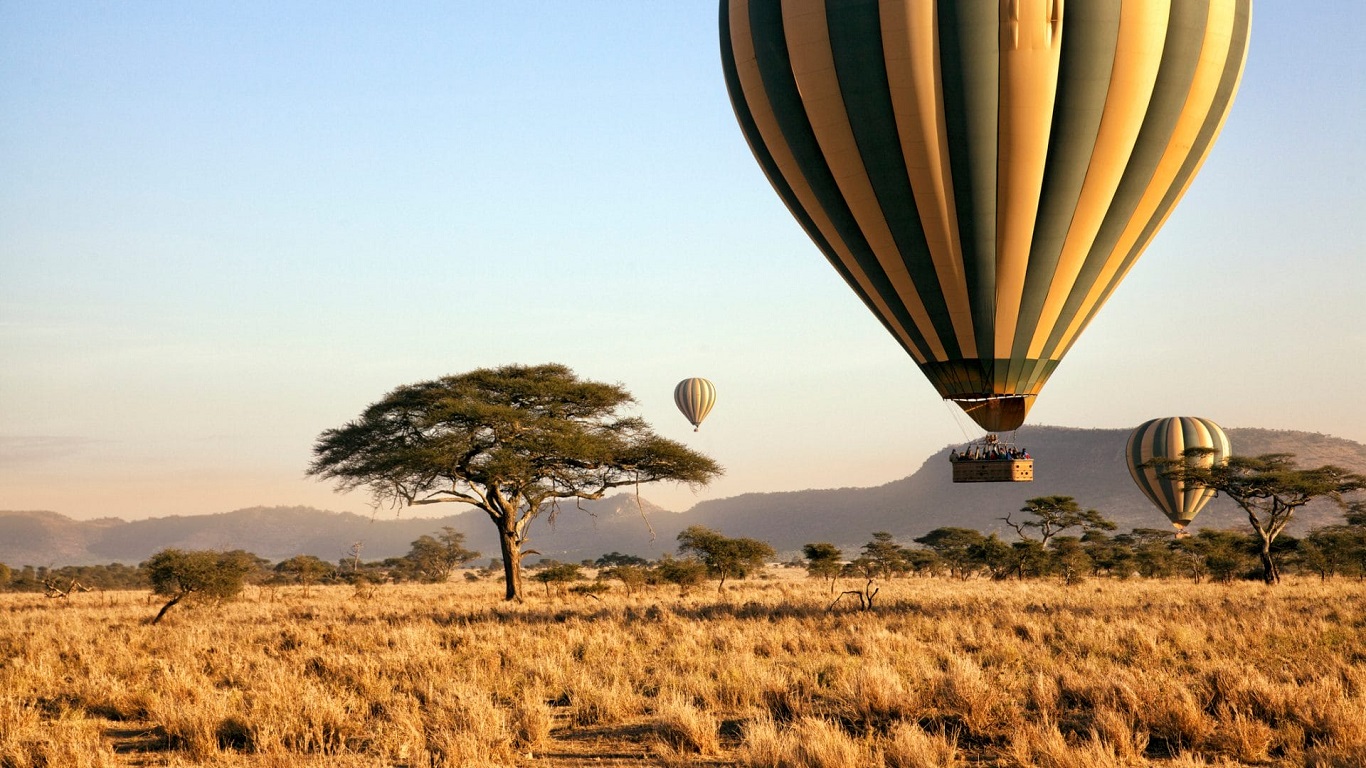
You can also choose an optional hot-air balloon safari, which offers a spectacular aerial perspective of the Serengeti at sunrise, usually followed by a bush breakfast.
Day 13: Ngorongoro Crater Safari
After breakfast, travel towards the Ngorongoro Conservation Area. Descend into the magnificent Ngorongoro Crater for a game drive across its wildlife-rich floor. Search for lions, elephants, buffaloes, zebras, hippos, and the endangered black rhino. The crater's remarkable combination of grasslands, swamps, lakes, and forest creates an extraordinary wildlife environment. After your game drive, ascend the crater walls and continue to your accommodation.
Day 14: Return to Arusha
After breakfast, begin your return journey to Arusha. Depending on your international flight schedule, you can transfer to the airport or spend an additional night in Arusha. Alternatively, extend your holiday with a flight to Zanzibar for several days of relaxation on the Indian Ocean.
This is an illustrative itinerary. Actual arrangements depend on your travel dates, flight schedules, climbing route, safari preferences, and accommodation choices. An appropriate recovery period after climbing should always be considered before starting the safari.
Is combining Kilimanjaro and safari too exhausting?
Not necessarily, provided the itinerary is planned properly. The most important consideration is allowing enough time for acclimatisation during the climb and sufficient recovery after reaching the summit. Many travellers find that the safari provides a welcome change of pace after the physical demands of mountain trekking.
Instead of walking several hours a day, you can sit back, enjoy the scenery, and let your safari guide take you through the wilderness.
The key is not to rush. A well-planned holiday should give you enough time to enjoy both experiences rather than simply ticking destinations off a list.
5. When Is the Best Time to Climb Kilimanjaro and Go on Safari?
Tanzania is a year-round travel destination, but the weather and wildlife movements can influence the best time for your adventure. The good news is that Kilimanjaro climbing and Tanzania safaris can be combined during several favourable travel periods.
Understanding the seasons will help you choose the right dates and create an itinerary that matches your interests.
Best time to climb Mount Kilimanjaro
The two most popular climbing periods are January to March and June to October.
January to March
These months generally offer good climbing opportunities, although weather conditions can vary.
The mountain can be relatively quiet compared with the busiest climbing months, and the landscapes are often beautiful following the rainy season.
Temperatures at the summit can be particularly cold, and climbers may encounter snow or ice.
June to October
This is one of the most popular periods for climbing Kilimanjaro.
The weather is generally drier, and the trails are often in favourable condition for trekking.
July, August, and September attract many international climbers, so some campsites and popular routes can feel busier.
If you prefer fewer crowds, you may want to consider your travel dates carefully.
What about the rainy seasons?
The long rainy season generally occurs from March to May, while shorter rains often arrive around November.
Kilimanjaro can still be climbed during these periods, but wet trails, cloud cover, and reduced visibility can make the experience more challenging.
Travellers should discuss seasonal conditions with their tour operator before choosing their dates.
Best time for a Tanzania safari
Unlike mountain climbing, safari planning depends heavily on wildlife movements and seasonal conditions.
January to March – Calving Season in the Serengeti
This is one of the most fascinating times to visit the southern Serengeti and Ndutu region. Large numbers of wildebeest gather in the grasslands, and thousands of calves are born during a relatively short period. The abundance of young animals attracts predators, creating opportunities to observe lions, cheetahs, hyenas, and other carnivores. It is an excellent period for wildlife photography and observing predator-prey interactions.
June to October – The Dry Season
The dry season is one of the most popular periods for a Tanzania safari. As water becomes less available in some areas, wildlife often concentrates around permanent rivers and water sources. This can make animals easier to locate, particularly in destinations such as Tarangire.
The Serengeti also offers opportunities to witness different stages of the Great Migration, depending on the location of the herds. In the northern Serengeti, river crossings may occur during the migration season, although timing and sightings are unpredictable.
November to December – The Short Rains
The short rains bring fresh vegetation and beautiful scenery to many parts of Tanzania.
The landscapes become greener, migratory birds arrive, and some areas offer excellent photography opportunities. Wildlife viewing remains possible throughout the northern circuit, although seasonal movements may influence where particular animals are found.
Can you climb Kilimanjaro and go on safari during the same trip?
Absolutely!
January to February and June to October can be particularly attractive periods for combining both adventures.
For example, you could climb Kilimanjaro in September and then spend several days exploring the Serengeti and Ngorongoro Crater. Alternatively, you could plan a February trip that combines a Kilimanjaro climb with a safari in the southern Serengeti during the wildebeest calving season. The best itinerary depends on the climbing route, safari destinations, wildlife movements, and the number of days available.
6. How Much Does a Kilimanjaro Climb and Tanzania Safari Cost?
Let's talk about something every traveller wants to understand before booking: the budget. The cost of a Tanzania adventure depends on several factors, including the duration of your trip, group size, accommodation category, selected destinations, and level of service. There is no single price for climbing Kilimanjaro or going on safari because every itinerary is different. However, understanding what goes into the cost will help you make a more informed decision.
How much does climbing Mount Kilimanjaro cost?
A Kilimanjaro climbing package includes much more than transportation and accommodation. Climbing the mountain requires a dedicated support team and careful logistical planning.
A typical package may include:
Professional mountain guides who lead the expedition and monitor the progress of climbers.
Assistant guides and experienced mountain porters who transport equipment and supplies.
Mountain cooks who prepare meals throughout the expedition.
National park fees, camping or hut fees, and other applicable mountain charges.
Tents, dining equipment, and essential group equipment.
Drinking water and freshly prepared mountain meals.
Transportation between your hotel and the mountain entrance.
Hotel accommodation before and after the climb, depending on the package.
The selected route and number of days have a significant influence on the final price.
For example, a longer Lemosho or Machame itinerary generally costs more than a shorter itinerary because it requires additional park fees, food, crew support, and logistical arrangements. It is important to avoid choosing a climbing package based on price alone. Proper crew support, suitable equipment, experienced guides, and adequate acclimatisation time are essential considerations.
How much does a Tanzania safari cost?
Safari prices vary considerably depending on the accommodation category and travel arrangements.
Budget Camping Safari
A budget camping safari is ideal for travellers who want to experience Tanzania's wildlife without spending too much on accommodation. You stay at designated campsites, usually in dome tents, and enjoy a more adventurous atmosphere. These packages may involve shared group departures, making them particularly attractive to solo travellers and budget-conscious visitors. Although the accommodation is simpler, the wildlife experience can be just as exciting.
Mid-Range Lodge Safari
Mid-range safaris offer a comfortable balance between affordability and luxury. Accommodation is generally provided in lodges or permanent tented camps with private rooms, en-suite bathrooms, comfortable beds, and restaurant facilities. This option is particularly suitable for couples, families, and travellers who want to enjoy wildlife viewing without sacrificing too much comfort.
Luxury Safari
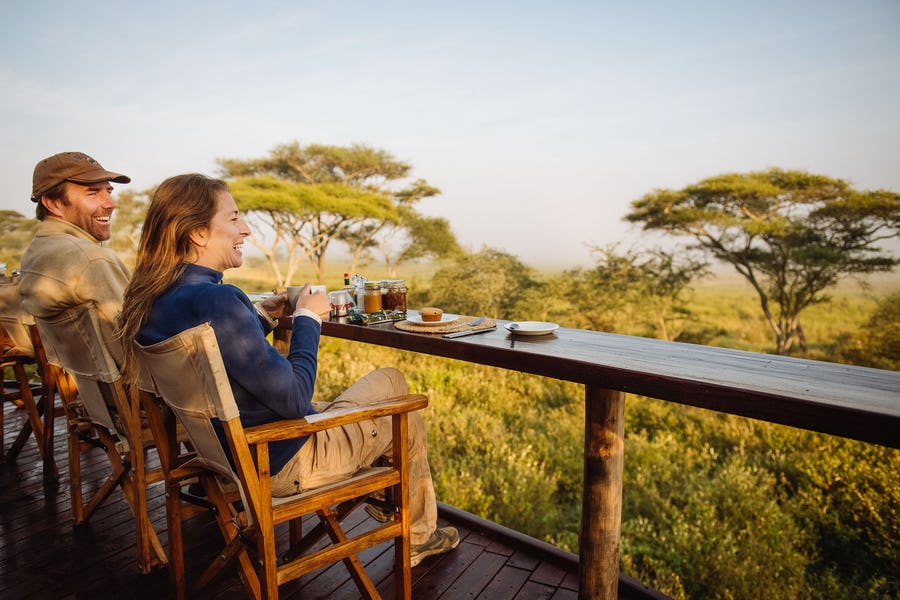
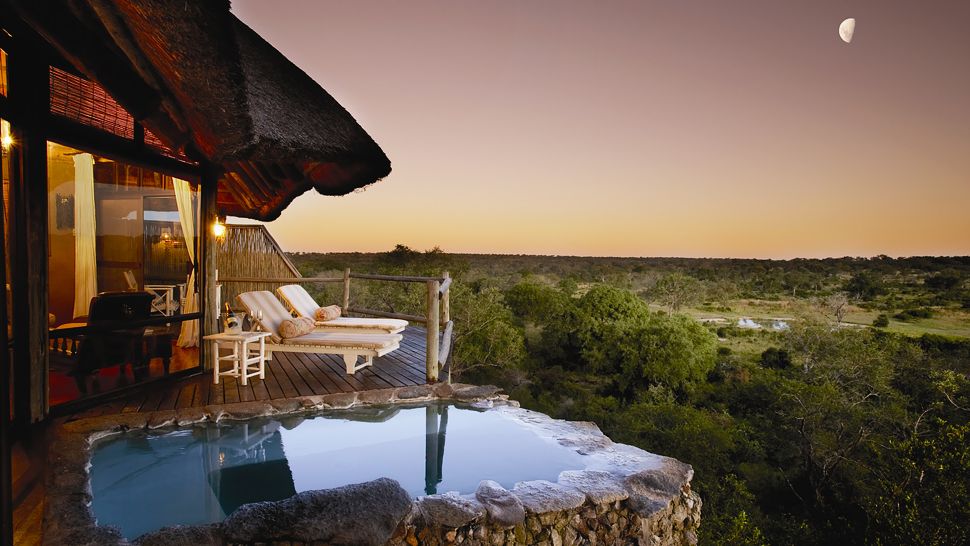
Luxury safaris are designed for travellers who want exceptional comfort and personalised service. Accommodation may include beautifully designed tented camps, luxury lodges, private decks overlooking wildlife areas, gourmet meals, and exclusive experiences. Some camps are strategically located in important wildlife areas, allowing guests to enjoy excellent game-viewing opportunities. Private safari vehicles and customised itineraries can also be arranged.
What influences the total cost of a combined adventure?
When combining Kilimanjaro and safari, your budget will depend on:
The number of days spent climbing the mountain.
The Kilimanjaro route you select.
The number of people travelling together.
The duration of your safari.
The national parks included in your itinerary.
Your preferred accommodation category.
Whether you choose private or shared safari arrangements.
8. Additional experiences such as a hot-air balloon safari or Zanzibar extension.
Although a combined holiday requires a larger budget, it allows you to experience several of Tanzania's most famous attractions during one international trip. For an accurate quotation, provide your tour operator with your travel dates, group size, preferred climbing route, safari duration, and accommodation expectations.
7. What About Adding Zanzibar to Your Adventure?
Just when you think Tanzania cannot offer anything more, there is Zanzibar! After spending several days climbing Kilimanjaro and exploring the wildlife-rich plains of the Serengeti, imagine finishing your holiday on a beautiful tropical island surrounded by the turquoise waters of the Indian Ocean.
Welcome to Zanzibar.
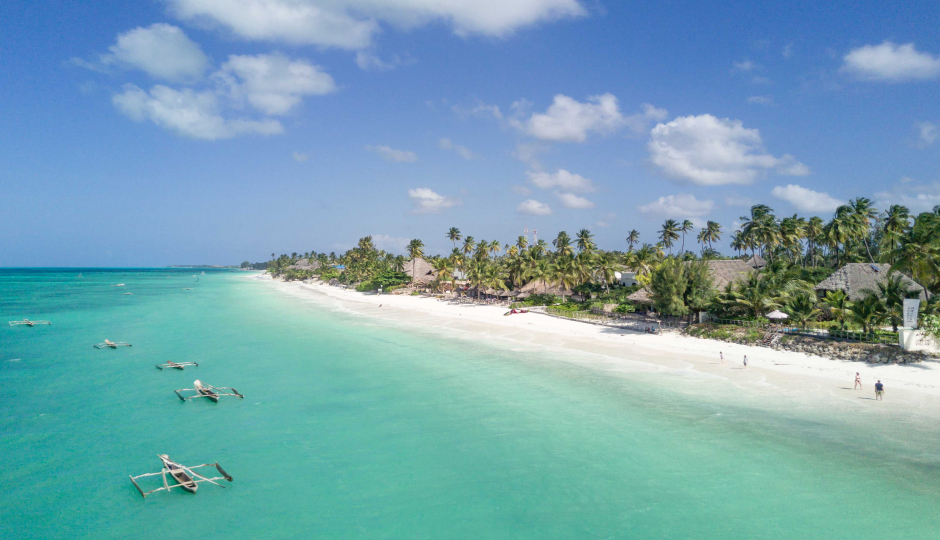
Known for its white sandy beaches, fascinating Swahili culture, historic Stone Town, and beautiful coral reefs, Zanzibar offers a completely different atmosphere from the mountains and national parks of mainland Tanzania. It is the perfect destination for slowing down after an action-packed adventure.
Explore the historic streets of Stone Town
Stone Town is one of Zanzibar's most fascinating attractions. Its narrow streets, carved wooden doors, historic buildings, bustling markets, and traditional architecture tell the story of centuries of cultural exchange along the East African coast. You can explore the old town with a local guide, visit the former slave market site, discover the Old Fort, and enjoy the atmosphere of Forodhani Gardens in the evening. Stone Town is also an excellent place to discover Zanzibar's Swahili cuisine and learn about the island's history.
Relax on Zanzibar's beautiful beaches
Zanzibar is famous for its stunning beaches, each offering a slightly different experience. Nungwi and Kendwa: Located on the northern coast, these beaches are particularly popular for their beautiful white sand, swimming opportunities, beach resorts, and spectacular sunsets. Paje and Jambiani: Found along the southeastern coast, these destinations are known for their beautiful beaches, relaxed atmosphere, and excellent conditions for kite surfing.
Matemwe: A quieter destination on the northeastern coast, Matemwe offers beautiful ocean views and access to excellent snorkelling and diving experiences around Mnemba Island. Whether you want a lively beach holiday or a peaceful retreat, Zanzibar has something for different travel styles.
Discover Zanzibar's marine life
The island offers excellent opportunities for snorkelling, diving, and exploring the Indian Ocean. You can discover coral reefs, tropical fish, and other fascinating marine life. Popular activities include boat trips, traditional dhow cruises, and excursions to beautiful sandbanks. For travellers who enjoy water activities, Zanzibar provides an excellent contrast to the mountain and safari environments.
How many days should you spend in Zanzibar?
For a combined Kilimanjaro, safari, and Zanzibar holiday, we generally recommend allowing at least 3–5 additional days for the island. This gives you enough time to explore Stone Town, enjoy the beaches, and participate in a few activities without rushing. If you have more time, extending your stay to a week or longer can make the experience even more relaxing.
With Kilimanjaro, wildlife safaris, and Zanzibar, Tanzania offers something truly special: mountains, wilderness, culture, and tropical beaches in one unforgettable destination.
8. So, Which Adventure Should You Choose?
After comparing the two experiences, the answer depends on the type of traveller you are and what you hope to get from your holiday.
Choose Mount Kilimanjaro if you want a personal challenge.
If you enjoy hiking, physical challenges, and discovering spectacular mountain landscapes, Kilimanjaro could be the adventure of a lifetime.
Reaching Uhuru Peak is an achievement that requires commitment, patience, and determination. It is an experience that can change the way you see your own abilities.
Choose a Tanzania safari if wildlife is your passion.
If your dream is to see lions in the wild, watch elephants crossing open grasslands, photograph giraffes beneath acacia trees, and explore the famous Serengeti, a safari is the perfect choice.
It is also an excellent option for travellers who prefer a more relaxed holiday with comfortable accommodation and exciting daily excursions.
Choose both if you want the complete African adventure!
Why limit yourself to one experience when Tanzania offers so much more?
You can challenge yourself on Kilimanjaro, celebrate your achievement in the African wilderness, and finish your holiday relaxing on the beaches of Zanzibar. It is an opportunity to experience the incredible diversity of Tanzania in one carefully planned journey. And if you are already travelling halfway around the world to visit Tanzania, you might as well make the most of it!
9. Frequently Asked Questions About Kilimanjaro and Tanzania Safaris
Can I climb Mount Kilimanjaro and go on safari in one trip?
Yes! It is possible to combine a Kilimanjaro climb with a Tanzania wildlife safari. Many travellers choose to climb the mountain first, allow time for recovery, and then continue to destinations such as Tarangire, Serengeti, and Ngorongoro.
The ideal duration depends on your selected climbing route and safari itinerary. A trip of approximately 12–16 days or longer can provide a good starting point for planning both experiences.
How many days do I need for Kilimanjaro and safari?
For a combined adventure, consider approximately 7–9 days for climbing Kilimanjaro and another 3–5 days for a northern Tanzania safari. This means around 12–16 days, including recovery and transfer arrangements, can provide a rewarding experience. If you also want to visit Zanzibar, consider adding another 3–5 days or more.
Is Kilimanjaro harder than a Tanzania safari?
Yes, climbing Kilimanjaro is significantly more physically demanding than a traditional safari. The climb involves several days of trekking at increasing altitude, while a safari generally involves travelling in a 4x4 vehicle and observing wildlife. However, both experiences require preparation, and safari journeys can involve long driving days.
Do I need previous climbing experience to climb Kilimanjaro?
No technical climbing experience is required for the standard trekking routes. However, you should be physically prepared and comfortable walking for several hours each day. Regular hiking, cardiovascular exercise, and strength training can help prepare you for the expedition. Choosing an itinerary with adequate acclimatisation time is particularly important.
What animals can I see on a Tanzania safari?
Tanzania is home to an extraordinary variety of wildlife. Depending on the national park and season, you may encounter lions, elephants, leopards, cheetahs, buffaloes, giraffes, zebras, wildebeest, hippos, crocodiles, hyenas, and numerous bird species. The Serengeti and Ngorongoro are particularly famous for opportunities to see the Big Five.
What is the best month to combine Kilimanjaro and safari?
January to February and June to October are particularly popular periods for combining mountain trekking and wildlife safaris.
January and February offer opportunities to visit the southern Serengeti during the wildebeest calving season, while the June–October period is popular for dry-season wildlife viewing. The best month ultimately depends on your preferred Kilimanjaro route and safari destinations.
Can I add Zanzibar after climbing Kilimanjaro and going on safari?
Absolutely! Zanzibar is an excellent extension to a mainland Tanzania adventure. You can fly from northern Tanzania to Zanzibar and spend several days enjoying beautiful beaches, exploring Stone Town, visiting spice farms, and participating in water activities.
Is Tanzania suitable for a first-time African safari?
Yes. Tanzania is an excellent destination for first-time safari travellers. Its northern circuit offers well-established safari infrastructure, experienced professional guides, and several famous wildlife destinations within a relatively accessible region. Travellers can choose from budget camping, mid-range lodges, and luxury tented camps depending on their preferences.
Plan Your Kilimanjaro Climb and Tanzania Safari with Lindo Travel & Tours
At Lindo Travel & Tours, we believe that Tanzania is more than just a travel destination. It is a country filled with extraordinary landscapes, fascinating wildlife, rich cultures, and experiences that stay with you long after your holiday ends. With extensive experience organising Mount Kilimanjaro climbs, Tanzania wildlife safaris, and Zanzibar holidays, we understand what makes a successful African adventure.
Whether you are planning your first Kilimanjaro climb, dreaming of seeing the Great Wildebeest Migration, or looking for a complete Tanzania holiday combining mountains, wildlife, and beaches, our team can help you put together an itinerary that suits your interests, travel dates, and budget. We offer different Kilimanjaro climbing routes, including Machame, Lemosho, Marangu, Rongai, and Umbwe, as well as customised safari packages covering Tanzania's famous northern circuit.
Our goal is to help you experience Tanzania comfortably, safely, and meaningfully, with professional local guides who understand the destinations and know how to make every journey special.
Ready to turn your African travel dreams into reality?
Explore our Kilimanjaro climbing packages, discover our Tanzania safari experiences, or contact Lindo Travel & Tours to start planning your adventure. Whether you choose the mountain, the wilderness, or both, we would love to welcome you to Tanzania.
Don't just dream about Africa. Come and experience it! Lindo Travel & Tours – Discover Tanzania, Experience Africa.






 CHAT ON WHATSAPP